Automakers report mixed U.S. sales results as hybrid vehicles drive market
If you’re shopping right now and trying to decide between a full EV, a hybrid, or waiting out the market, the latest U.S. sales headlines are not giving a clean green light. CNBC reports that automakers posted mixed U.S.
Hybrids are getting the buyer attention EV shoppers should not ignore
The most important part of CNBC’s report, from a consumer point of view, is not simply that sales were mixed. It is that hybrids are described as a force behind the market.
That matters because many buyers who walk into a dealership asking about an EV are really trying to solve a daily-life problem: lower fuel costs, fewer stops, less maintenance anxiety, and a car that still works for the school run, grocery run, commute, and weekend detour. A hybrid can look like the safer middle ground when charging access, apartment parking, or tax rebate hurdles make a full EV feel complicated.
I would not read this as “don’t buy an EV.” I would read it as “make the EV earn your money.” If the dealer is pushing a battery-electric model with a discount, ask for the complete out-the-door price, charging costs, home charger installation assumptions, and any incentive paperwork in writing. If the hybrid version is moving faster, compare it against the EV on your actual use case — not the brochure version of your life.
A useful gut check:
- If you can charge at home and your daily miles are predictable, an EV may still be the cleaner ownership play.
- If you cannot reliably charge where you park, a hybrid may be winning buyers for a very practical reason.
- If the EV deal depends on rebates you may not qualify for, treat that discount as unproven until the numbers are documented.
High prices change the whole “best deal” conversation
Automotive News framed one of its July 1 reports around “the $52,000 question” and record vehicle prices. We don’t have the full underlying breakdown here, so I’m not going to pretend there is one tidy cause. But the signal is clear enough for shoppers: the market is still expensive, and that changes how to evaluate an EV deal.
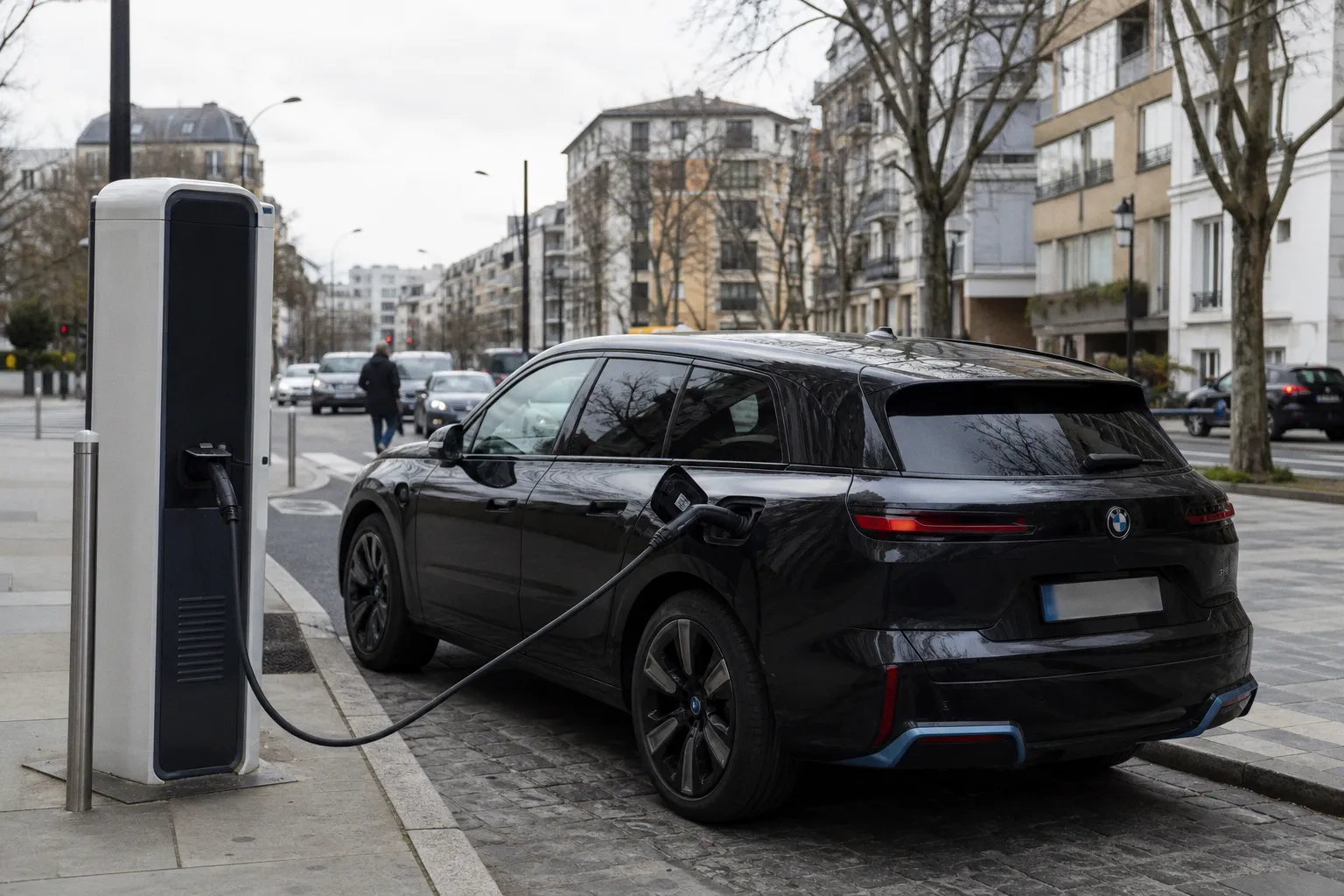
When prices are high, a low monthly payment can hide a lot. Longer terms, trade-in assumptions, add-ons, and financing details can make one vehicle look better than it really is. This is especially true with EVs, where shoppers may also be weighing home charging equipment, public charging habits, and incentive eligibility.
My rule in a market like this is simple: don’t compare sticker prices; compare the amount of money leaving your household. That includes the vehicle price, financing, insurance, charging or fuel, installation needs, and the risk that the car does not fit your routine.
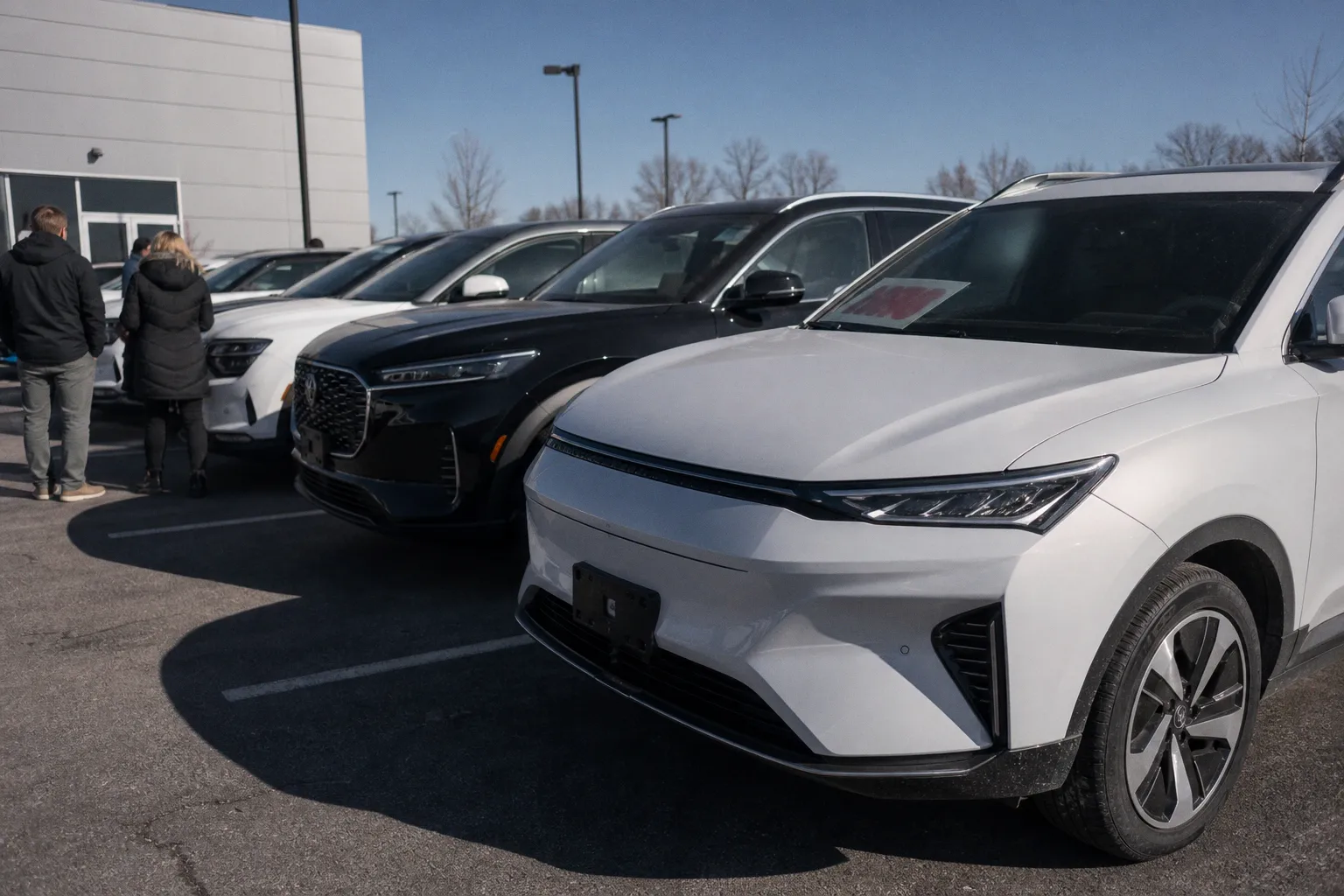
The Automotive News angle on slower car sales and profits is also worth keeping in mind. Slower sales do not automatically mean every buyer gets a bargain. Automakers and dealers can still protect margins, especially on trims, packages, or vehicles with strong demand. So if a salesperson tells you “these are moving fast,” your answer should be calm: “Great — show me the full written price and I’ll compare it.”
What I’d watch before signing on an EV or hybrid
Car Sales Statistics has published a look at 2026 second-quarter and first-half U.S. light-vehicle and car manufacturers and brands. Without leaning on details not provided here, that kind of sales table is useful because it can show where buyer momentum is going across brands and segments.
For a real shopper, though, the takeaway is not to crown a winner from a headline. It is to use the mixed-sales backdrop as leverage to slow the purchase down.
Before signing, I’d check three things:
- Whether the EV you want is being discounted because it fits your needs — or because it is harder to sell.
- Whether the hybrid alternative is genuinely cheaper to own, not just easier to understand.
- Whether the dealer’s final number survives a full out-the-door comparison.
My practical read: this is not a market for impulse EV buying. Hybrids gaining traction suggests many households are still choosing convenience and price certainty. A full EV can absolutely be the right call, but only if the charging setup, final price, and daily routine all line up. If any one of those is fuzzy, pause and make the numbers clearer before you let the dealership clock start running.