Electric vehicle sales are plummeting. Will they soon become too niche?
If you've been eyeing an EV but keep reading headlines about sales tanking and automakers pulling back, I get the hesitation. Nobody wants to buy into a market that feels like it's deflating around them.
The U.S. Market Hit a Wall — Here's Why It Matters to You
Demand for electric vehicles in the U.S. has dropped sharply since last September, when the $7,500 federal tax credit expired. That incentive was doing serious heavy lifting: EVs hit nearly 12% market share that month, a record. By January, that share had fallen to 6%, with sales plunging 20% compared to December, according to Cox Automotive data cited by ABC News. Automakers are now writing off billions in factory and battery investments, and more than 22 new EV models are still slated to launch in 2026 into what analysts expect will be a flat sales year.
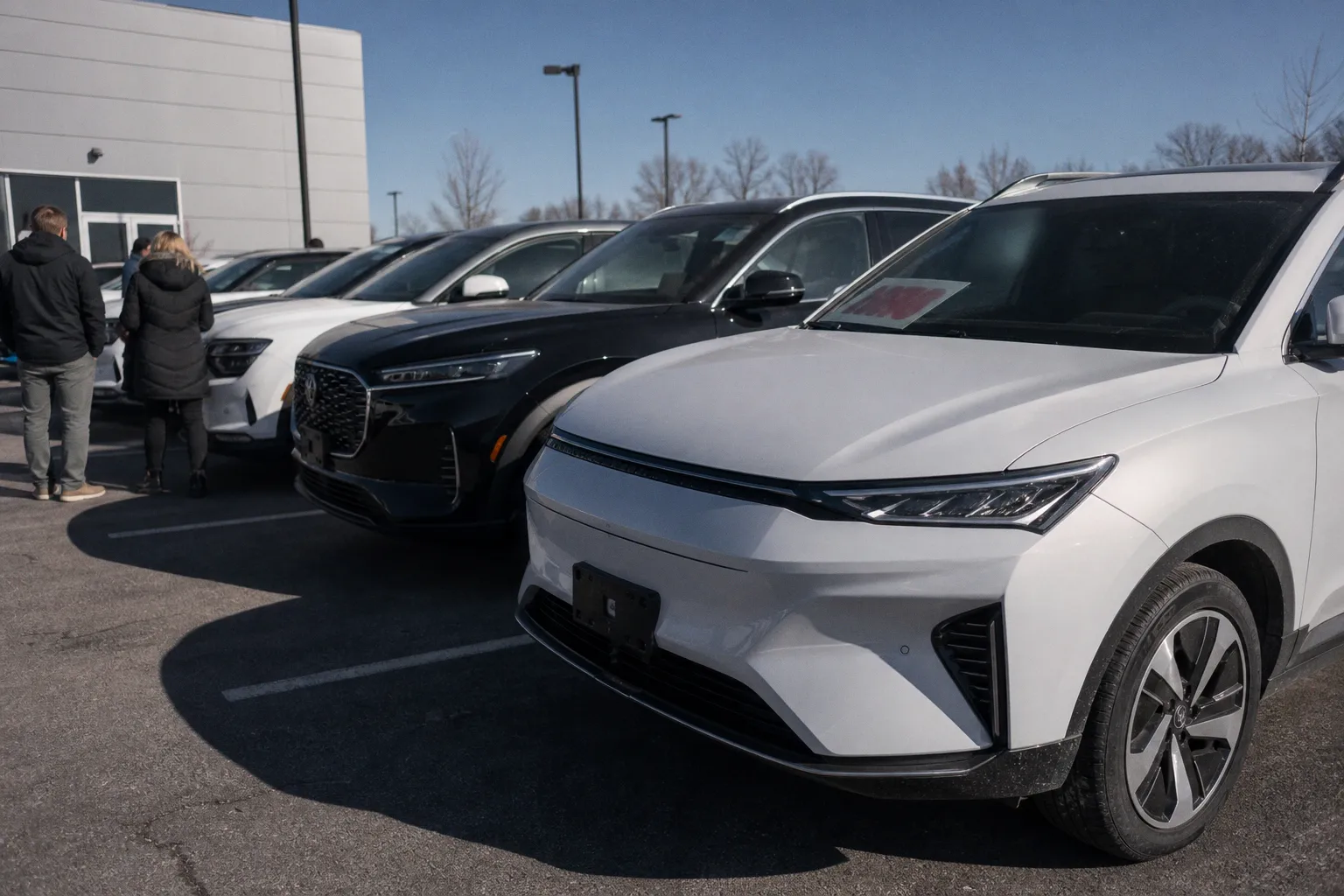
For buyers, the practical takeaway is twofold. First, that $7,500 credit you may have been counting on at the out-the-door price? It's gone, and there's no clear replacement on the horizon. Second, the inventory glut means dealers are sitting on stock longer — which historically translates to stronger negotiating leverage for you, not weaker. If you've been waiting for a deal, the next six months may be the softest pricing window we've seen since EVs went mainstream.
The Policy Whiplash Is Real — But Charging Infrastructure Isn't Dead
A big chunk of this slowdown traces back to federal policy reversals: the Biden-era EV mandates have been revoked, fuel economy standards were loosened (from 50.4 mpg down to 34.5 mpg for cars and light trucks), and California's 2035 gas-car ban was blocked. One analyst quoted by ABC News put it bluntly — this administration's direction is "less EVs and more ICE."
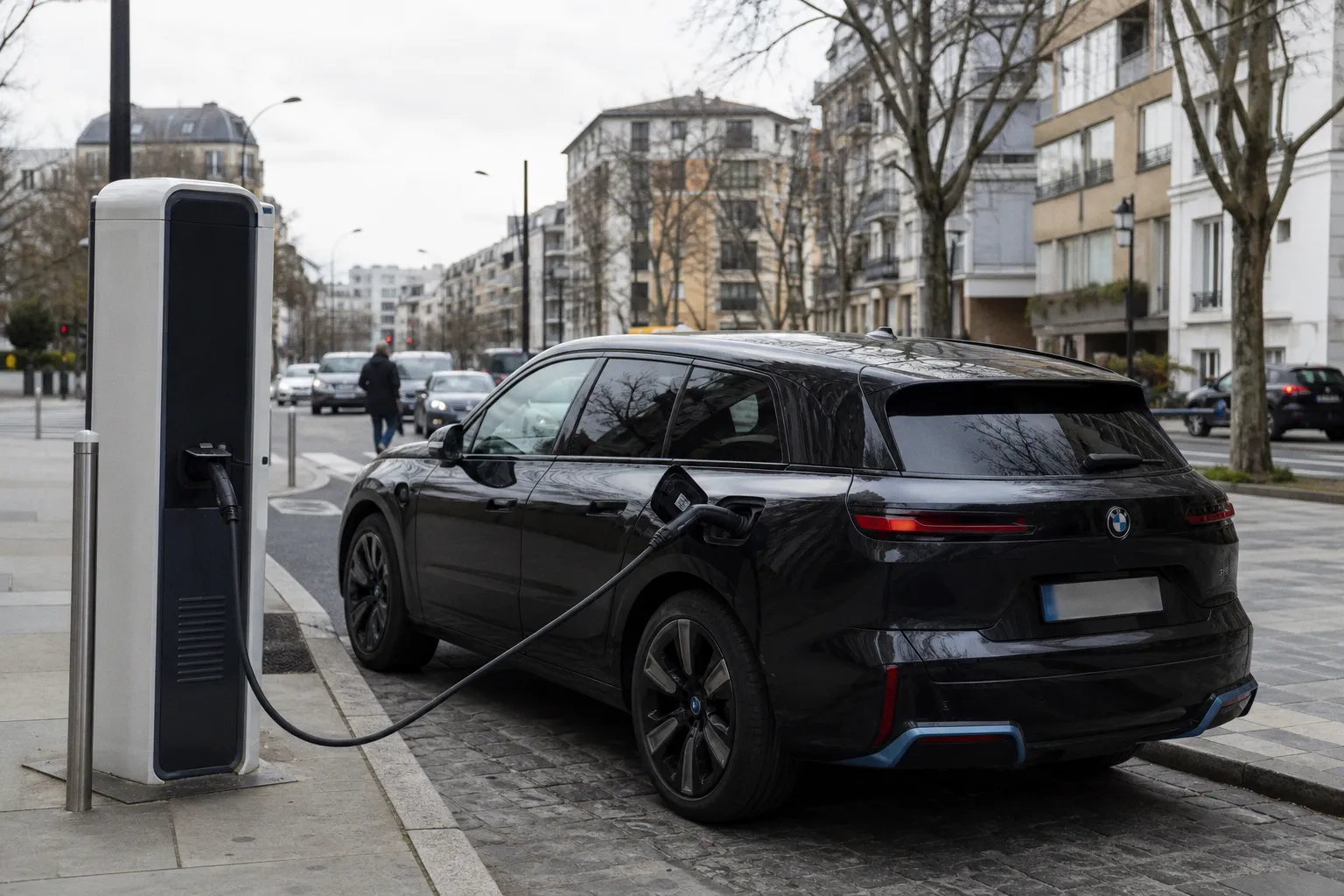
But here's what didn't happen: the $5 billion NEVI charging infrastructure program was halted by the administration, then a district court judge overturned that halt in August, allowing states to continue building out public charging. So if range anxiety and charger access were on your checklist, the buildout is continuing — just not with the federal cheerleading it once had. Plug-in hybrid sales are also softening, which suggests the broader "electrified vehicle" category is cooling, not just pure EVs.
Meanwhile, Kia Is Posting Record EV Numbers
Here's the part that doesn't fit the doom narrative. Kia just reported its best-ever first-half EV sales in Korea — 72,078 units from January to June 2026, more than double the 28,706 units sold in the same period last year. They've already surpassed their entire 2025 annual Korean EV total of 60,820 units. The EV3 led with 18,431 sales, followed by the EV5 at 15,965 and the PV5 at 15,000.
What does Korea have to do with your garage? Kia's global momentum — four consecutive months of year-over-year sales growth — suggests that affordable, well-positioned EVs are still finding buyers when the price-to-value equation makes sense. The EV3 and EV5 aren't premium halo cars; they're priced for the mainstream. If you're watching the U.S. market and feeling spooked, keep an eye on how Kia's strategy translates here. Models that hit the right price point with real-world utility — the grocery run, the school pickup, the weekend road trip without charging drama — are the ones that survive a downturn.
The headline "EV sales are plummeting" isn't wrong. But for a buyer doing the math in 2026, a softening market with more model choices and motivated dealers isn't the worst place to be. Just run your numbers without the tax credit baked in, check your local charging infrastructure, and don't let the panic cycle make your decision for you.