GT Voice: How Chinese EVs are reshaping a decades-old market landscape
The cheapest EV at your local dealer just got a lot more interesting. Chinese automakers have spent the last decade scaling electric vehicles at a pace that's forcing every legacy brand — from…
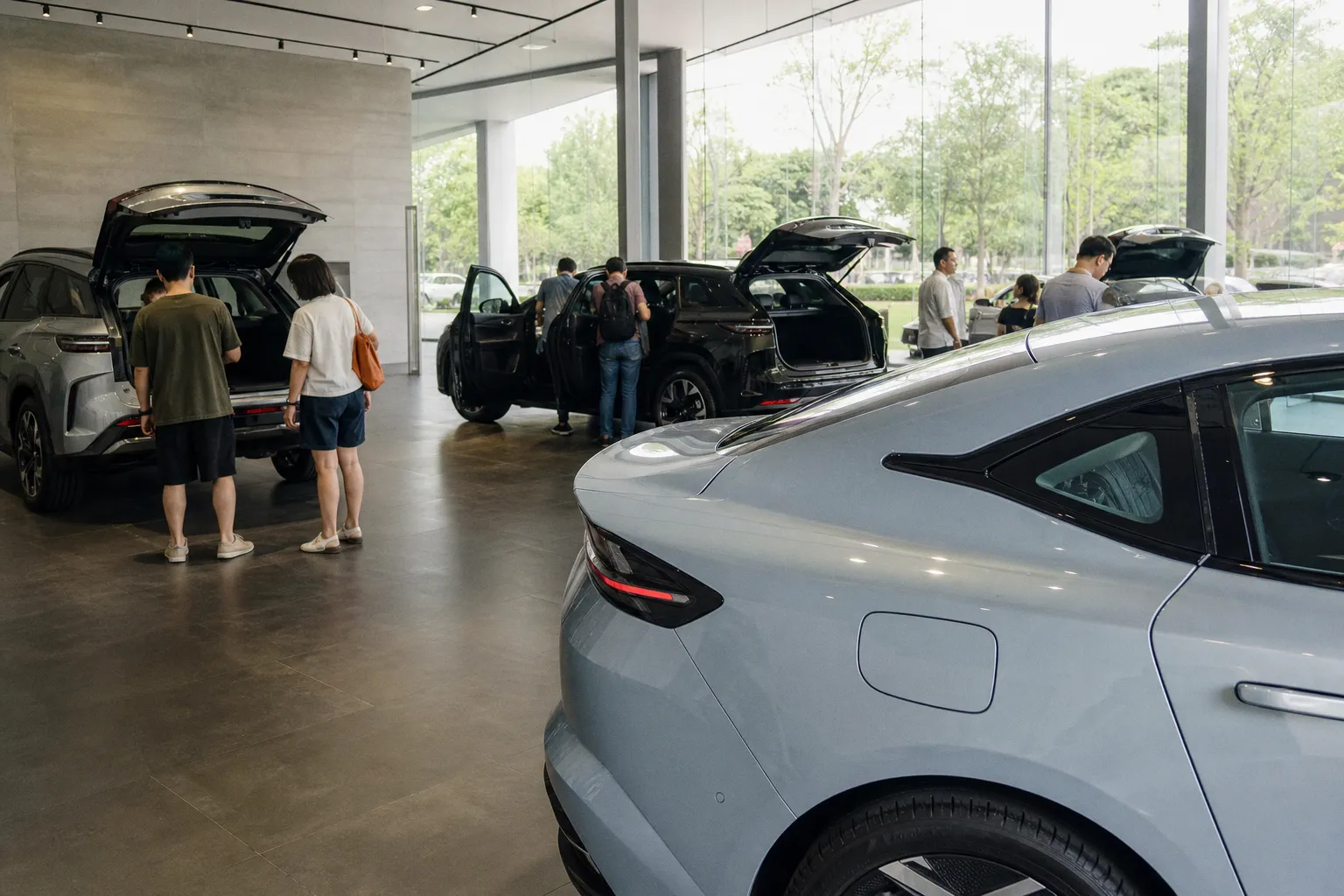
The cheapest EV at your local dealer just got a lot more interesting. Chinese automakers have spent the last decade scaling electric vehicles at a pace that's forcing every legacy brand — from Volkswagen to the domestic holdouts — to rethink what a "value" EV actually looks like. The conversation is no longer hypothetical. It's playing out in showrooms and on stock charts right now.
A market under pressure
A Global Times opinion piece pushes back against the so-called "China shock" rhetoric, framing it as "a carefully packaged projection of anxiety" that ignores the real story: Chinese EV makers have built scale and battery supply chains Western automakers took decades to assemble, and blocking competition through tariffs doesn't rebuild those same capabilities overnight. The piece stresses technological convergence as evidence that even foreign automakers value the Chinese market.
That pressure isn't theoretical. A Times headline quotes a UK industry voice calling attempts to fight Chinese electric cars "bloody useless" — a blunt acknowledgment that competitive reality has already outpaced the political rhetoric. An AD HOC NEWS report ties Volkswagen AG preferred shares to this same evolving global auto landscape, a reminder that legacy automakers are being repriced by public markets as much as by customers walking onto lots.
What it actually changes for buyers
Here's the part that matters if you're shopping today: more competition almost always means better deals, not worse. In my experience watching category after category mature, when fresh competition enters a market — whether through direct imports, joint ventures, or foreign brands sourcing from Chinese supply chains — the negotiating room on out-the-door price expands fast. Incumbents respond with their own incentives, longer warranty terms, or quietly improved lease math.
The catch is that most US shoppers won't see a Chinese-branded EV on their local lot anytime soon. Tariff structures, dealer networks, and certification timelines still gate that pipeline. What you will see sooner is the competitive pressure translated into things like more range per dollar, faster charging as standard equipment, and lease offers that quietly get better right when you're about to sign.
A real-world example worth flagging: I've watched crossover EVs in the mid-$30,000 range drop effective monthly payments by $50–$80 once a credible alternative entered the segment. That same dynamic is brewing now, just at a larger scale.
What to watch
If you're holding off on a purchase — or trying to time one — a few signals are worth tracking:
- Partnership announcements between Chinese battery or EV firms and established Western manufacturers. These are how Chinese engineering tends to arrive in vehicles you can actually buy and service locally.
- Pricing on existing EV trims in segments where a Chinese competitor is rumored to enter next.
- Warranty language. Aggressive competition shows up here first, with longer battery warranties or complimentary maintenance thrown into the deal before headline prices move.
The decades-old market landscape really is shifting underfoot. Whether that shows up on your local lot as a new badge in the showroom or as a lower monthly payment on the EV you were already considering — that's the part worth paying attention to this year.