Modern EV batteries retain 95% range after five years, new data shows
I hear it in almost every test-drive conversation I have: "But what happens to the battery in five years?" It's the question that stops more potential EV buyers at the dealership door than almost any other.
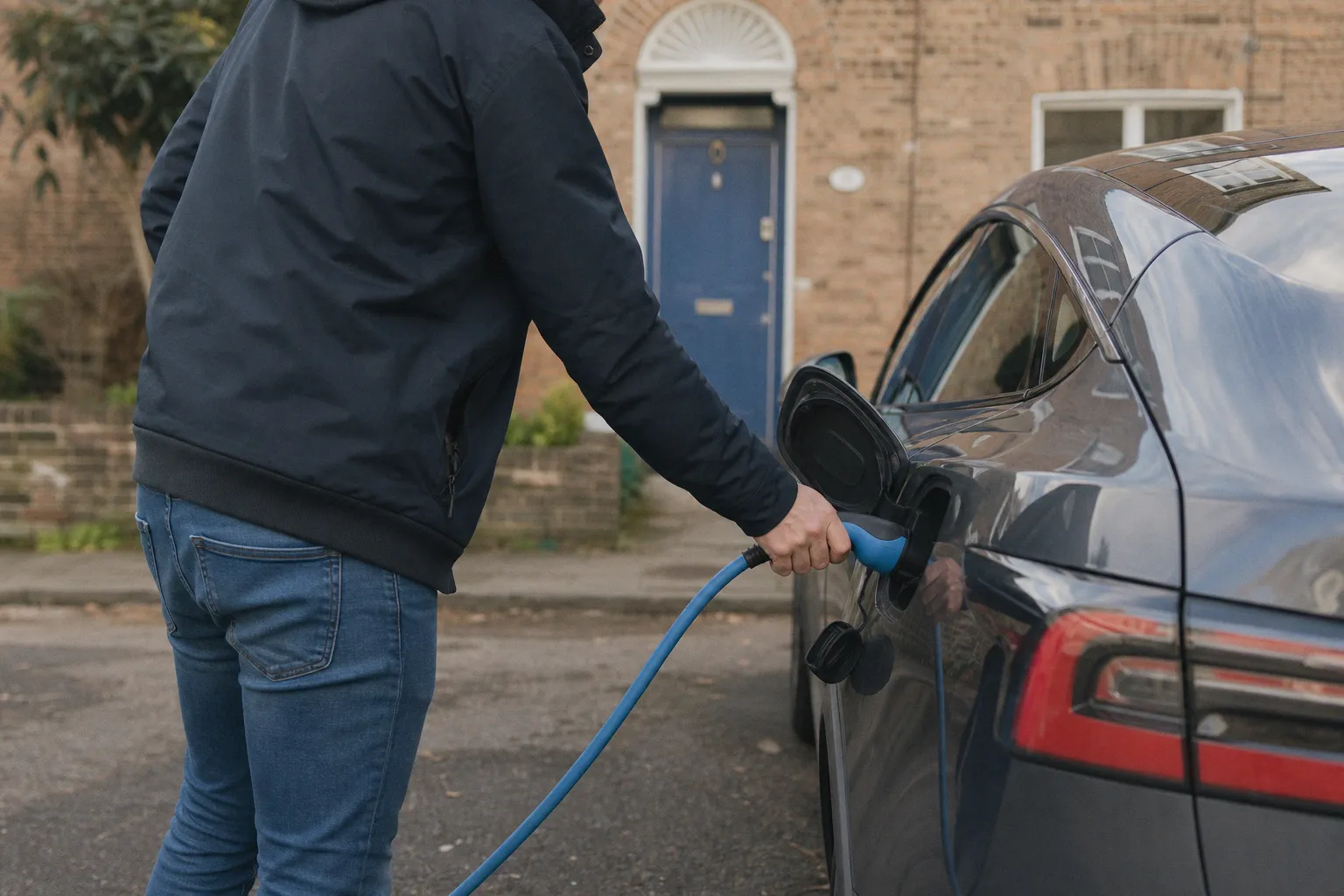
The numbers, and what they actually mean for your monthly payment
The data, first reported by The Wall Street Journal and sourced from analytics firm Recurrent, paints a picture that's dramatically different from the early-EV era. For vehicles built between 2011 and 2016, roughly one in twelve ended up needing a battery replacement. For anything manufactured after 2022? That figure drops to about three in a thousand. The difference comes down to better battery chemistries, more precise thermal management systems, and smarter software that controls energy consumption behind the scenes. All of that adds up to slower degradation and a longer useful life.
Here's why this matters for your out-the-door price: the biggest financial fear around EVs has always been the specter of a five-figure battery replacement bill lurking somewhere down the road. But if 99.7% of newer EV owners never face that cost, the long-term ownership equation shifts considerably. Factor in that battery pack costs have fallen by over 90% since 2010, and the financial risk profile looks very different than it did even three years ago.
What you can do (and shouldn't stress about)
The data does flag one thing worth noting: operating habits still matter. Frequent fast-charging and a habit of always topping off to 100% can accelerate wear, while more moderate charging patterns help preserve battery health. For most of us doing a daily grocery run or commuting 30–50 miles, that's a non-issue—you plug in overnight, wake up to a comfortable charge level, and go about your day.
The industry is also moving toward smarter repair approaches. Instead of swapping out an entire battery pack if something does go wrong, manufacturers and service centers are increasingly replacing individual modules—a repair that's far less expensive and less wasteful. So even in the rare event of a problem, the out-of-pocket reality is becoming less intimidating.
The bigger picture: EVs aren't a gamble anymore
UK registration data backs up what these battery numbers suggest—buyers are gaining confidence. In June 2026, battery electric vehicles hit a record 30% share of the UK new car market, the highest monthly figure of the year, with overall registrations up 11.4%. Worldwide, roughly 60 million EVs are now on the road, with over 20 million sold in 2025 alone. China leads with more than 20 million in operation, followed by the U.S. at around 7 million and Germany with approximately 1.4 to 1.6 million.
If you've been sitting on the fence because battery longevity felt like an unknowable risk, this data is your permission slip to go test-drive that EV you've been eyeing. The batteries are holding up, the replacement odds are tiny, and the financial picture is only getting friendlier. My advice: look at the total cost of ownership, not just the sticker price—and let the real-world numbers, not the old fears, drive your decision.