Polestar's US setback leaves owners asking: who will service my car?
If you're driving a Polestar right now — or were about to sign the paperwork on one — the question that probably kept you up last night isn't philosophical.
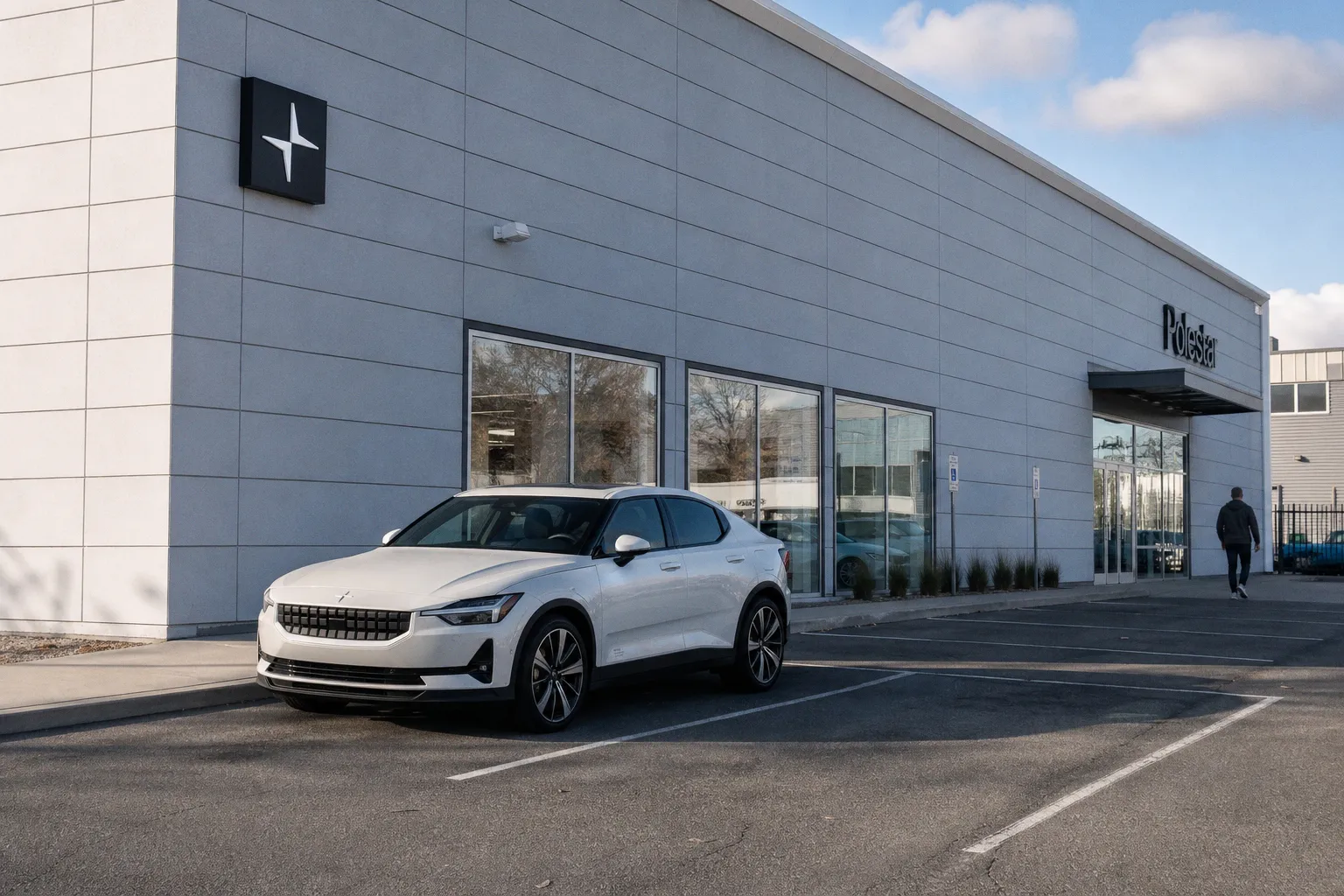
Polestar confirmed it will exit the U.S. with the 2027 model year, stranding 32 franchised dealers and the customers already behind the wheel. The trigger isn't weak sales or a bankruptcy filing — it's a federal compliance ruling under the ICTS rule, the regulation passed in the Biden administration's final stretch that bars Chinese or foreign-adversary hardware and software in connected vehicles by 2027. Polestar, owned by China's Geely Holding, failed to clear that process. Its sister brand Volvo, also under Geely, secured its own approval back in May.
What this means at the dealership level
The 32 dealers heard it from Polestar's CEO directly — a phone call that landed about an hour before corporate staff got the memo. For someone like Matthew Haiken, who runs Polestar Short Hills in East Hanover, New Jersey, the math is suddenly very practical. There's still new-vehicle inventory to move, and Polestar has said it will keep selling through existing stock while supporting current owners via its service network. Once that pipeline clears, the new-car side of the business ends.
Warranty work and service are expected to continue for the foreseeable future, which matters if you've already got a Polestar 2 or Polestar 3 in your driveway. But "foreseeable" is doing a lot of heavy lifting in that sentence, and it's worth asking your service advisor — in writing — how long parts supply, diagnostic software, and recall coverage are guaranteed. Polestar reports that 94% of its first-quarter 2026 retail sales already came from outside the U.S., so the company isn't pivoting away from EVs. It's pivoting away from this market.
What I'd watch if I were shopping or already owning one
A few things worth putting on your checklist before you sign, or before you assume your current car is fine:
- Resale trajectory. Brand exits have a track record of compressing used values — Haiken himself compared this moment to Saab and Fisker — and even though Polestar's case is regulatory rather than insolvency, the math at trade-in time is still your math.
- Service continuity in writing. Verbal reassurance doesn't age well. Get your dealer's commitment on parts availability, OTA software updates, and recall handling in a form you can keep.
- Inventory pricing dynamics. Remaining stock is still being sold. If you're in the market, this is exactly where "out-the-door price" negotiations get real. The store needs to move metal, and you need to know what warranty transfers with the car once corporate exits.
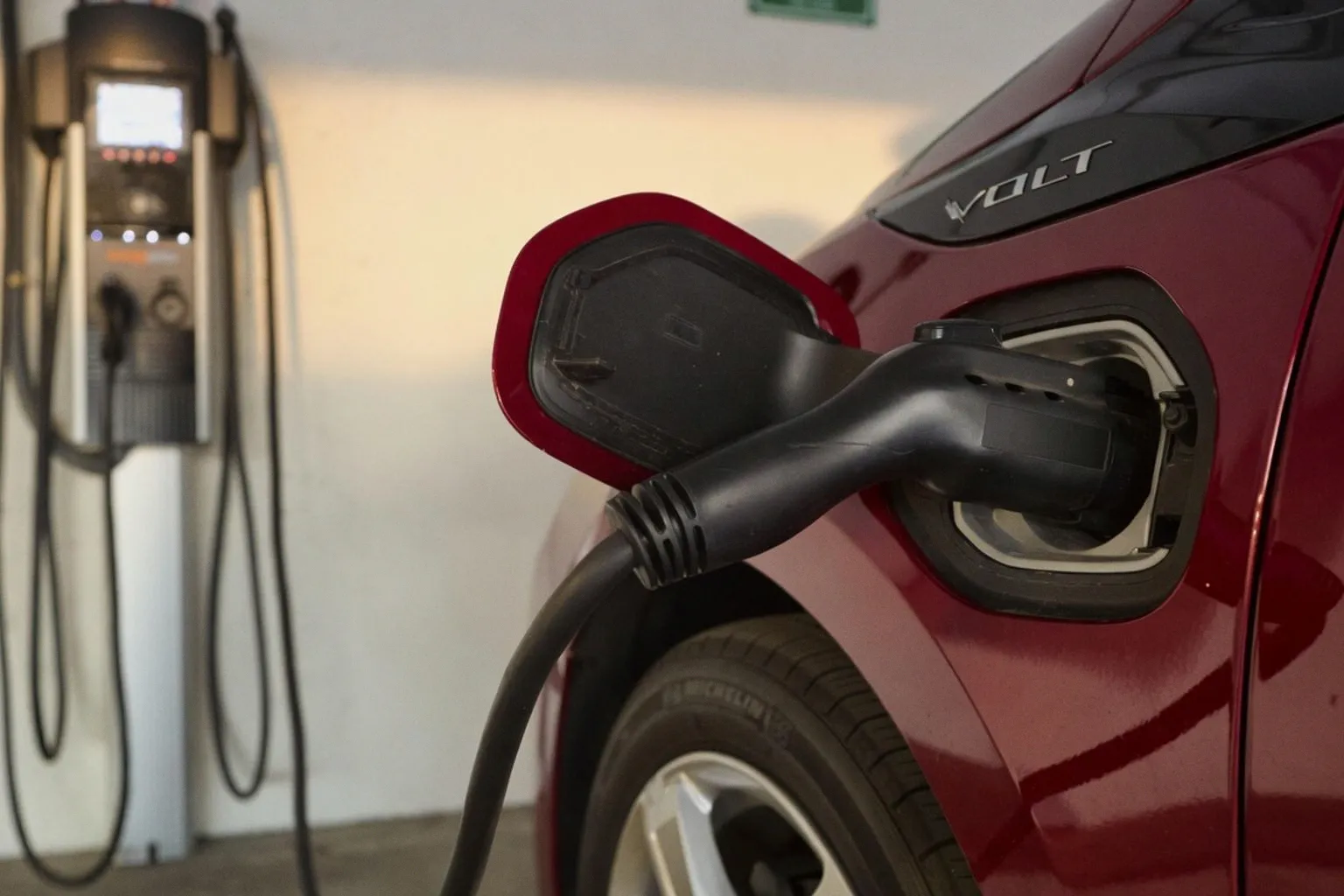
- Charging and connected services. Polestars run on the same networks and app ecosystem today. Confirm with your dealer what happens to connected features, app functionality, and over-the-air updates once the U.S. team is wound down.
The honest truth is that buying any vehicle from a brand leaving your market is a calculated bet. For current owners, the short-term service picture looks manageable. For shoppers eyeing remaining inventory at a discount, the math only works if you've priced in parts risk, software longevity, and what your trade-in will actually be worth in three years — not just what you'll save on the deal today.