Toyota blames high gas prices as global sales fall again, while EV sales jump 170%
If you’re shopping for a Toyota right now, the useful signal isn’t just that Toyota had another softer global sales month — it’s where the softness showed up and what buyers are choosing instead.
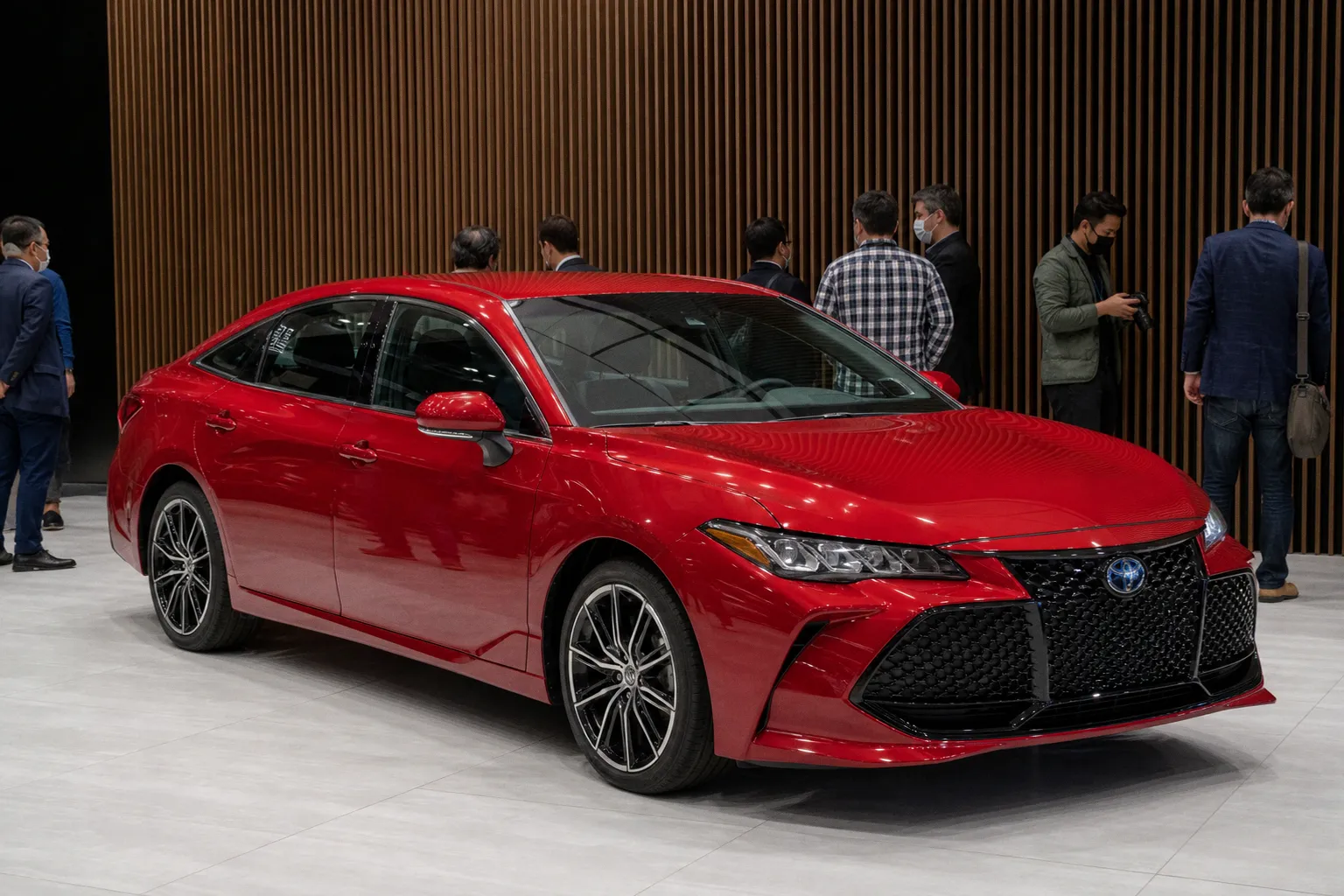
China is where Toyota’s gasoline problem looks most exposed
Toyota’s biggest warning light came from China. Electrek reports Toyota sold 102,299 vehicles there in May, down 31.7% from a year earlier, and 579,419 vehicles through May 2026, down 15% versus the same period last year.
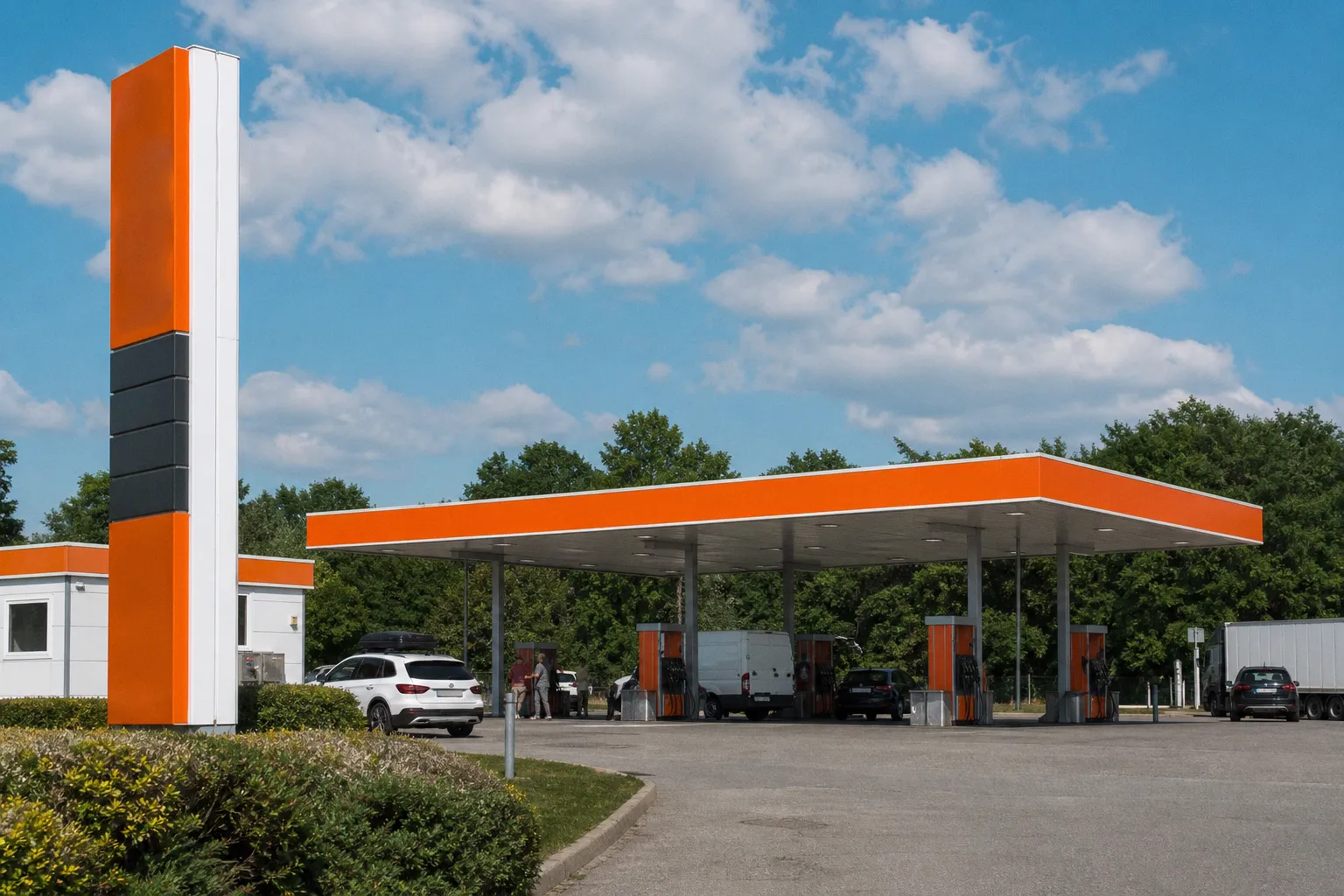
Toyota attributed the drop to “a challenging market environment, including rising gasoline prices,” according to the report. That matters because China is also where Toyota’s newer joint-venture EVs are getting traction. Electrek says the bZ3X, which starts at about $15,000, was China’s top-selling joint-venture EV in April and had held that spot for seven consecutive months.
For a buyer, I would not read this as “Toyota is suddenly an EV company.” The more practical read is this:
- gasoline models are under more pressure in markets where EVs are priced aggressively;
- Toyota’s own EVs can sell when the price and product are right;
- Toyota’s global lineup is now being pulled in two directions at once — steady hybrid demand in some places, faster EV adoption in others.
That’s the tension shoppers should watch, especially if they’re planning to keep a vehicle for many years rather than lease and move on.
Toyota’s EV growth is real, but still small inside the company
The 170% jump sounds huge, and it is the headline number. But Electrek also reports that Toyota sold 155,074 battery-electric vehicles through May, up 138% from the same period in 2025, and that pure EVs still accounted for only 7% of Toyota’s total sales through May.
That split is the whole story. Toyota is gaining EV momentum, but its business is still heavily built around hybrids, plug-in hybrids, gasoline vehicles, and what the company calls a multi-pathway strategy. For many households, that strategy has been practical: a Toyota hybrid can make a grocery run, a school commute, and a long weekend drive without asking you to think about charging.
But the buyer checklist is changing. Before defaulting to the familiar hybrid option, I’d compare:
- your real weekly mileage against the electric range and charging access of the EVs you’re considering;
- the local price gap between a Toyota hybrid, a Toyota EV, and a competing EV;
- fuel costs in your area, especially if gas prices are already making your current car feel expensive;
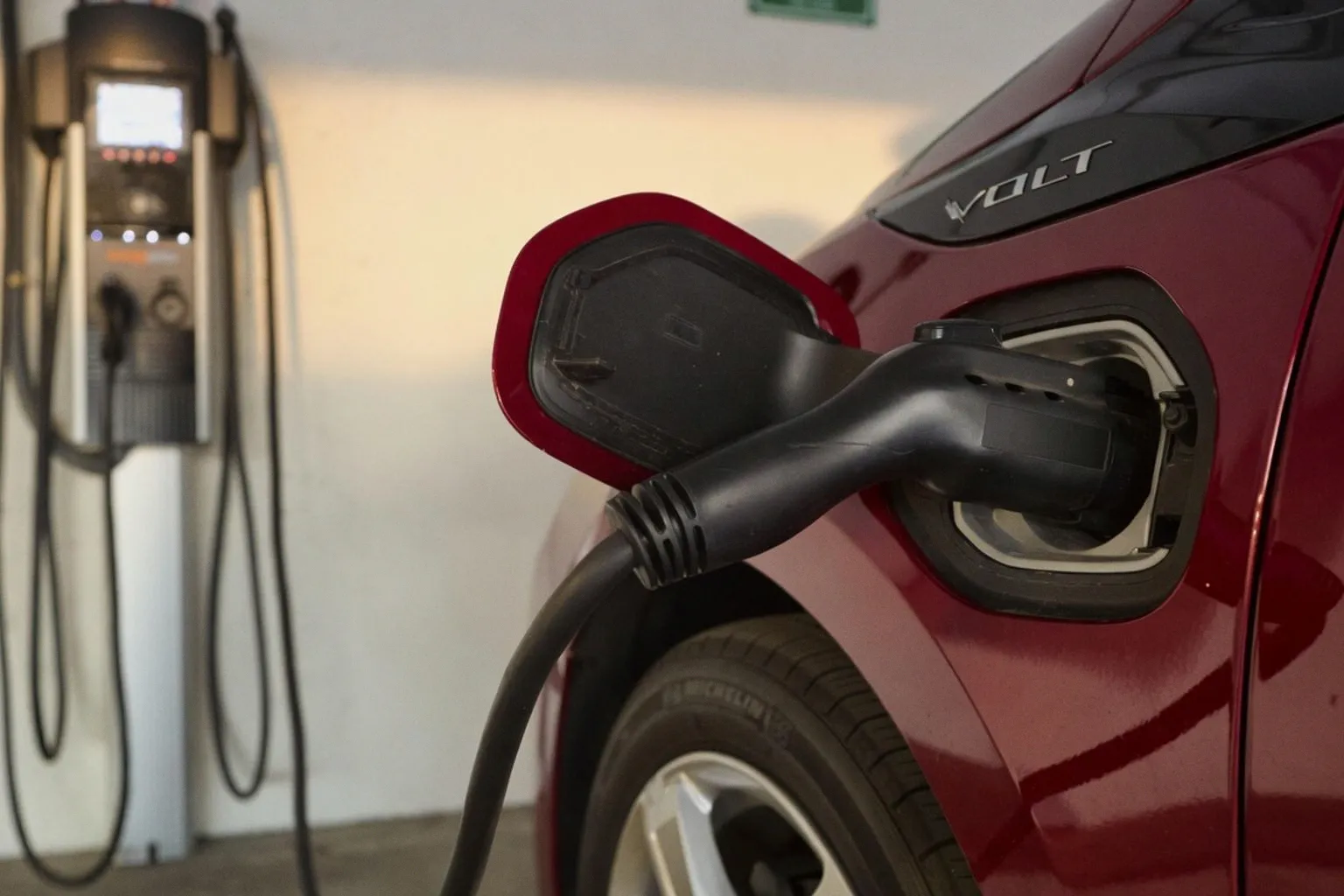
- whether you can charge at home, because that still changes the ownership math more than almost any spec-sheet number.
In North America, Toyota’s sales were nearly flat in May, with 280,539 vehicles sold, down 0.1%, according to Electrek. U.S. sales fell 0.6% to 238,800, even as hybrids and EVs saw higher demand. Europe was also nearly flat, at 99,597 vehicles, down 0.3%. So this is not a simple collapse story. It’s a shift story.
The competitive pressure is not just coming from one direction
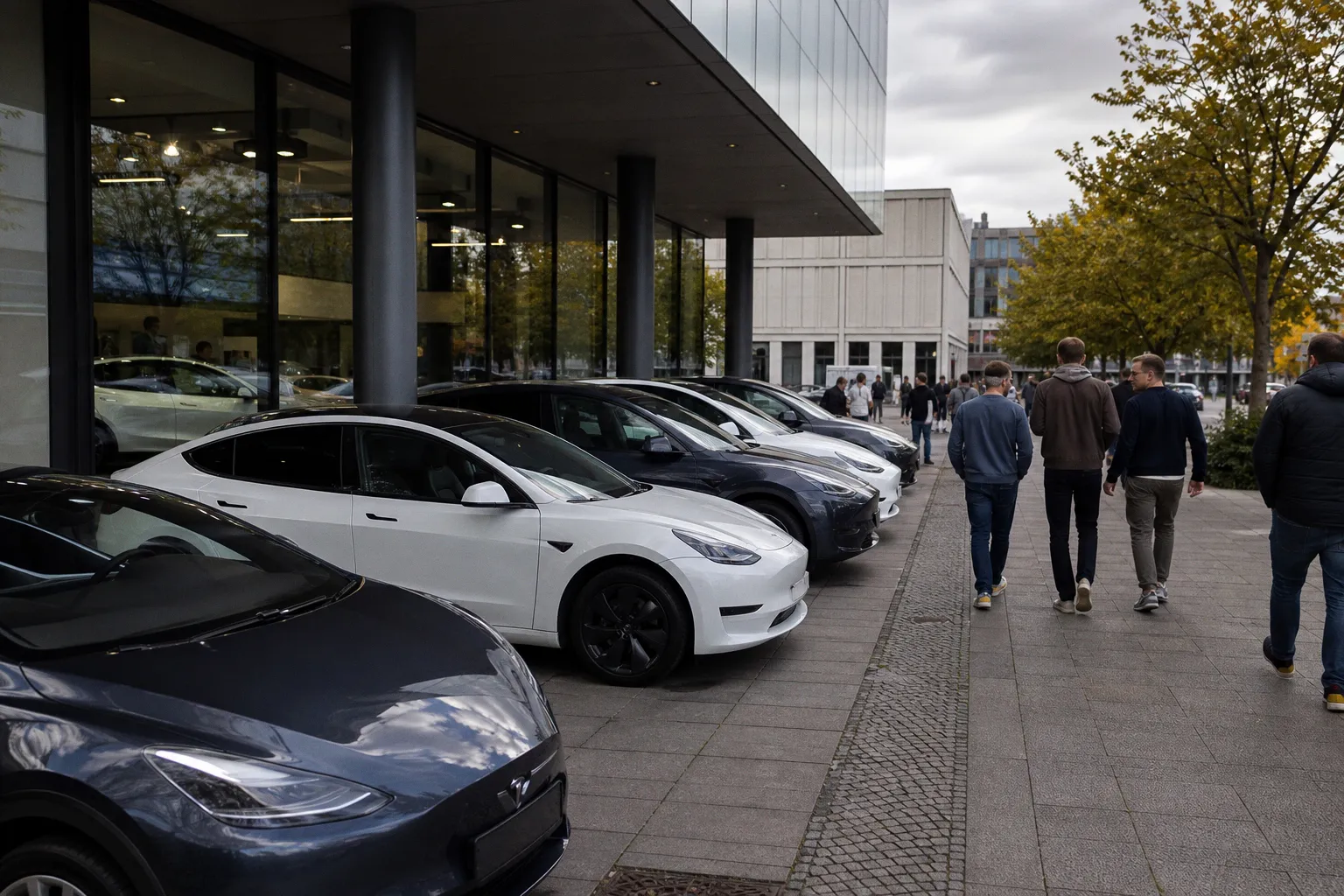
Toyota is not the only brand seeing EV momentum. AFR reports that electric vehicle sales in Australia reached a record in June, with 32,570 EVs sold, equal to 23.3% of total new-car sales, up from 8.4% of the market in January. AFR also reported that BYD almost overtook Toyota as Australia’s most popular brand.
Separately, Barron’s reported that Tesla’s global auto sales rose 25% in the second quarter, beating expectations. With only the headline available in the evidence here, I would treat that as a market signal rather than a full read on Tesla’s position. Still, taken alongside Toyota’s own EV growth and the Australia data, the pattern is hard to ignore: shoppers are cross-shopping electrified options more seriously, and legacy brand loyalty may not protect automakers as much as it used to.
My practical take: don’t buy a Toyota gasoline model today just because Toyota has always felt like the safe long-term choice. If the deal is strong and your driving pattern fits, a hybrid can still be the most painless answer. But if you can charge at home and you’re already wincing at fuel costs, Toyota’s own numbers are a nudge to test-drive the EV option — and to price it against BYD, Tesla, and other competitors where they’re available — before you sign.