Tesla Sales Surge 25% on Recovery in Europe
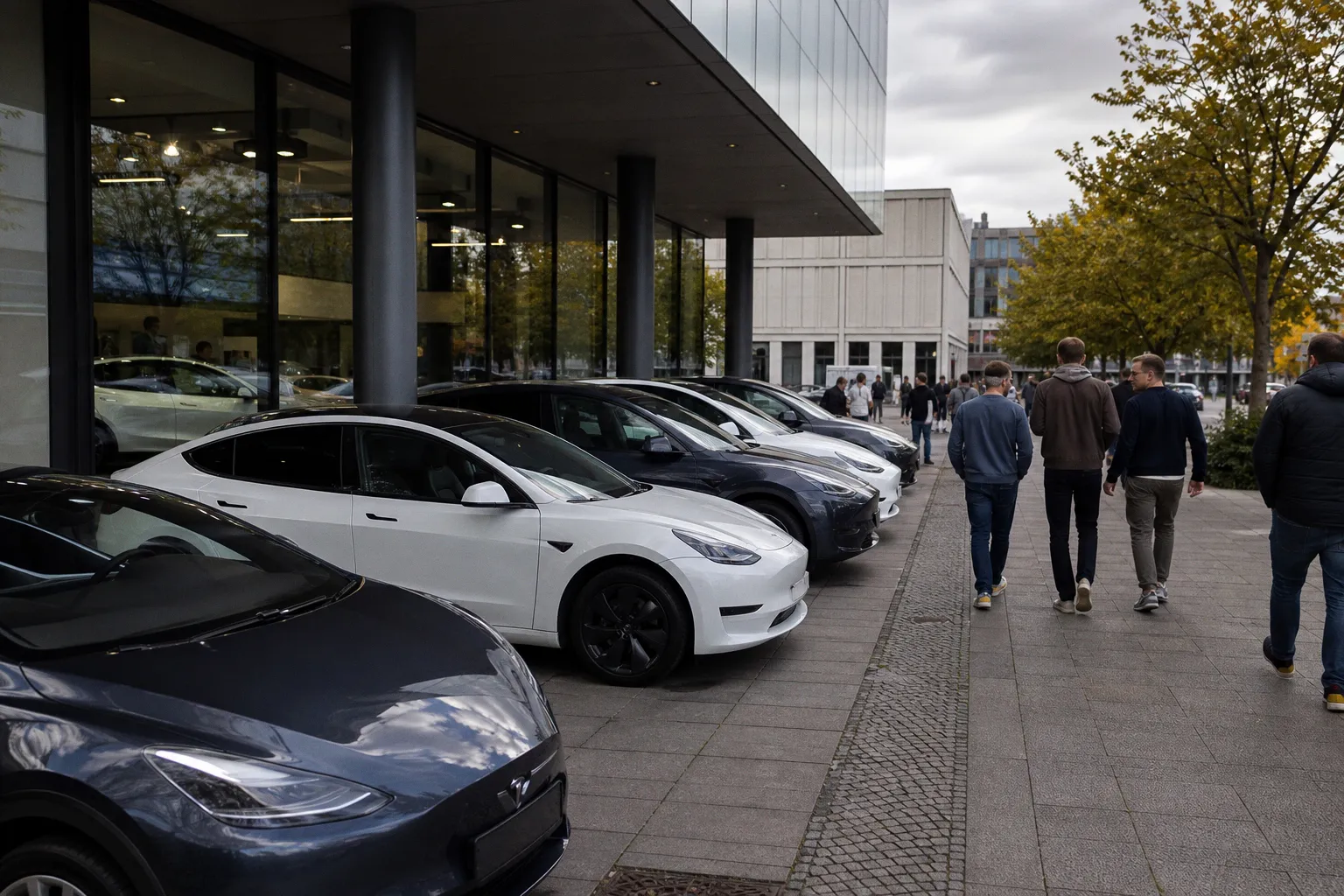
If you've been shopping for an EV lately, you've probably noticed the showroom floor getting more crowded again — and the deals starting to look a little less desperate.
The rebound, and what it's actually telling you
A 25% bounce in Europe and a 24.4% jump out of China is the kind of headline that can read like great news for Tesla and a mixed signal for the rest of us. A stronger Tesla usually means slightly less aggressive discounting at the delivery bay, fewer stale inventory units sitting on lots, and a slower drip of the steep price cuts that defined the last 18 months.
If you were holding out for one more price drop on a Model 3 or Model Y, this is your cue to stop waiting. The clearance-era window is closing. On the flip side, a healthier Tesla is good news for residual values if you're leasing or trading in, and quieter reassurance for used-EV shoppers that today's used Model 3 isn't a depreciating bet.
What it means when the challenger is still winning
Here's where the consumer angle gets interesting. Even with Tesla clawing ground back in Europe and China, EV Industry News reports BYD delivered 557,090 battery-electric vehicles in Q2 2026 — outselling Tesla's 480,126 over the same quarter and reclaiming the global BEV crown.
That gap matters more than any single monthly headline. Two manufacturers moving half a million-plus EVs in a single quarter means the supply pipeline is real, parts availability is solid, and you're not betting on a niche player. More importantly, the pricing leverage that made Teslas so affordable wasn't going to come from Tesla alone — BYD, MG, Hyundai, and a crowded field are all in the fight. Your negotiation power doesn't disappear just because Tesla had a good quarter.
The bigger picture, and what I'd actually do this month
BusinessGreen reports BEVs hit 30% of the UK new-car market in June 2026, with roughly 64,000 registrations — a 37.7% jump year-on-year. That's not a niche market anymore; that's the tipping point where charging infrastructure, service networks, and resale values all start to compound. If you're watching from the US, the lesson is simple: markets that cross 30% EV share tend to see dealer competition for trade-ins heat up, incentives shift from purchase rebates toward infrastructure support, and the buying experience finally stops feeling like an early-adopter experiment.
Practically speaking, here's how I'd handle the lot this month:
- Pull quotes from at least one non-Tesla brand alongside any Model 3 or Y you're considering. A 25% Tesla rebound doesn't erase the fact that BYD-class competition is now structural.
- If you're leasing, lock in your money factor before any rumored end-of-quarter adjustments. The recovery narrative cuts both ways for residual guidance.
- Watch the used-EV market closely. A healthier Tesla new-car market tends to firm up used pricing by a small but noticeable margin — a clean used Model 3 at a fair out-the-door number won't sit forever.
- Recalculate your total cost against regional incentives. Markets approaching 30% EV share tend to pivot incentives away from rebates toward charger install support, which changes the math on a grocery-run commuter differently than a long-commute family hauler.
The bottom line: a recovering Tesla is good news for the brand, better news for used-EV values, and a reminder that the discount-fueled market of the past two years was always going to cool off. Shop accordingly, and don't wait for the old prices to come back.