China's BYD nears decision on second European plant, adviser says
BYD is reportedly close to choosing a site for a second European assembly plant, according to a Reuters headline — but if you're the shopper trying to figure out whether to wait on a Chinese-brand EV…
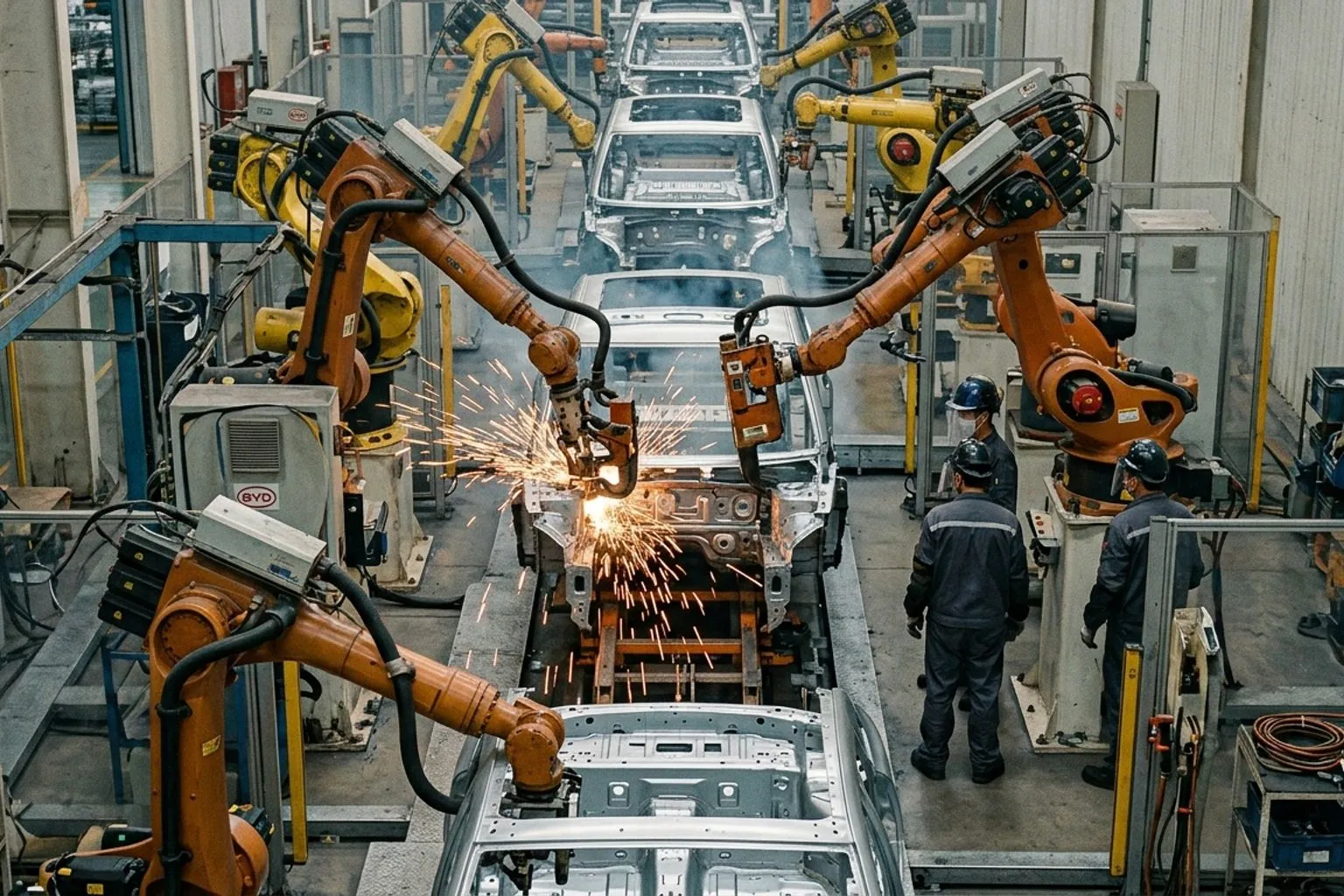
BYD is reportedly close to choosing a site for a second European assembly plant, according to a Reuters headline — but if you're the shopper trying to figure out whether to wait on a Chinese-brand EV or grab a deal this month, don't let that headline move your timeline. The more immediate story sits in Beijing, where China just put three mandatory safety standards for new energy vehicles into effect on July 1. They're strict enough to reset the engineering baseline for any Chinese-made EV, and they tell you something useful about the cars that may eventually reach a U.S. showroom.
Why the BYD plant news isn't a reason to wait
The Reuters report, as titled, confirms only that BYD is nearing a decision — not where, not when, not what gets built there, and not whether any output ever reaches a U.S. port. A second European site is about scaling for European demand and local-tariff exposure, not about unlocking American shelves. If you're shopping affordable EVs right now, your out-the-door math doesn't change, and I'd argue against holding off on a current deal for a brand that still has to clear U.S. regulatory and tariff hurdles on any predictable timeline.
The new safety floor, and why it travels with the cars
China's three new rules cover power systems, batteries, and vehicle structures, and they raise the bar in three places that matter to a real-world buyer:
- Battery thermal runaway: no fire or explosion for at least two hours after a single cell fails, replacing the old five-minute warning rule. Cell surface temperature stays under 60°C, and no toxic smoke can enter the cabin within five minutes of any warning.
- Mechanical power cutoff: every car needs a fully physical one-button high-voltage disconnect. If the electronics die in a crash, responders can still kill the system by hand.
- Side-impact testing: the moving barrier jumps from 950 kg to 1,400 kg, and crash dummies are upgraded to more sensitive international-standard models.
A door-handle rule requiring a purely mechanical backup takes effect in 2027. New models must comply from July 1, 2026; existing models in production have until July 1, 2027, or sales get halted.
What to fold into your own checklist
Two things worth tracking before you sign anything:
- Ask which build year and which safety certification any Chinese-brand EV you see carries, and confirm the battery pack clears the latest thermal-runaway benchmark. "New enough" is now a meaningful spec.
- The new rules push manufacturing costs up — heat insulation, exhaust routing, underbody protection, and crash structures all get pricier. Smaller, price-driven players get squeezed first, and that's actually good news for your wallet: the brands most likely to still be honoring warranties in five years are the ones with real engineering depth, not the bottom-dollar entries.
China sold 5.802 million NEVs in the first five months of this year, up 3.5% year over year, with NEVs making up 47.5% of all new vehicle sales. That kind of scale is why home-market standards tend to become the engineering floor for exports — and why I'd treat these numbers as the new spec-sheet bar for any Chinese-brand EV you might eventually see in a U.S. showroom.