BYD beats Tesla in global race; China market’s ‘do-or-die’ crisis: 7 EV reads
If you're cross-shopping an EV right now, two headlines this week probably made you pause mid-search: BYD just overtook Tesla as the world's top battery-vehicle maker, and China announced that…
If you're cross-shopping an EV right now, two headlines this week probably made you pause mid-search: BYD just overtook Tesla as the world's top battery-vehicle maker, and China announced that touchscreens alone won't cut it anymore — real buttons are coming back for critical controls. Both developments matter for your buying decision, even if you never set foot in a Chinese showroom. Here's why.
BYD's global lead isn't just a bragging-rights story
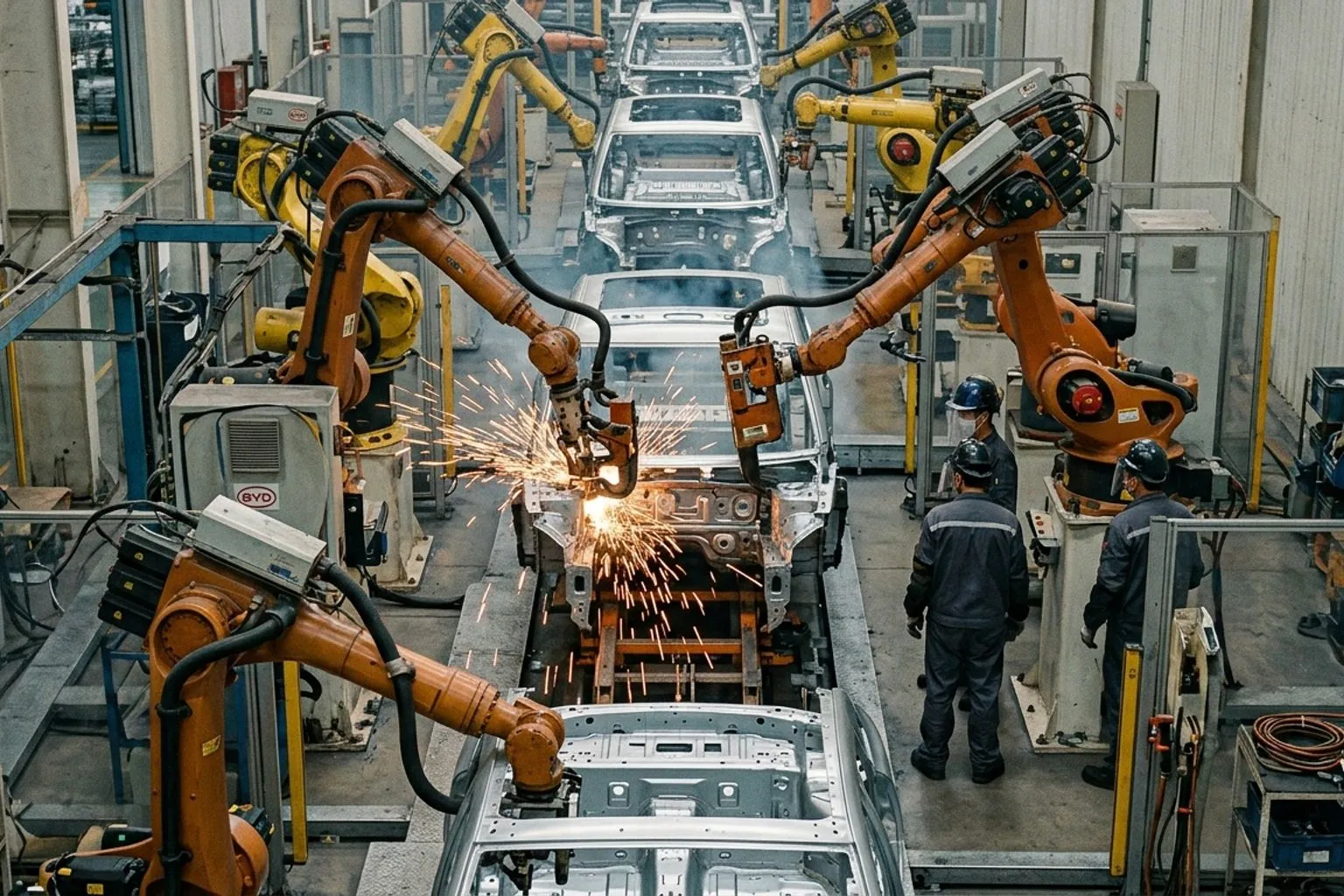
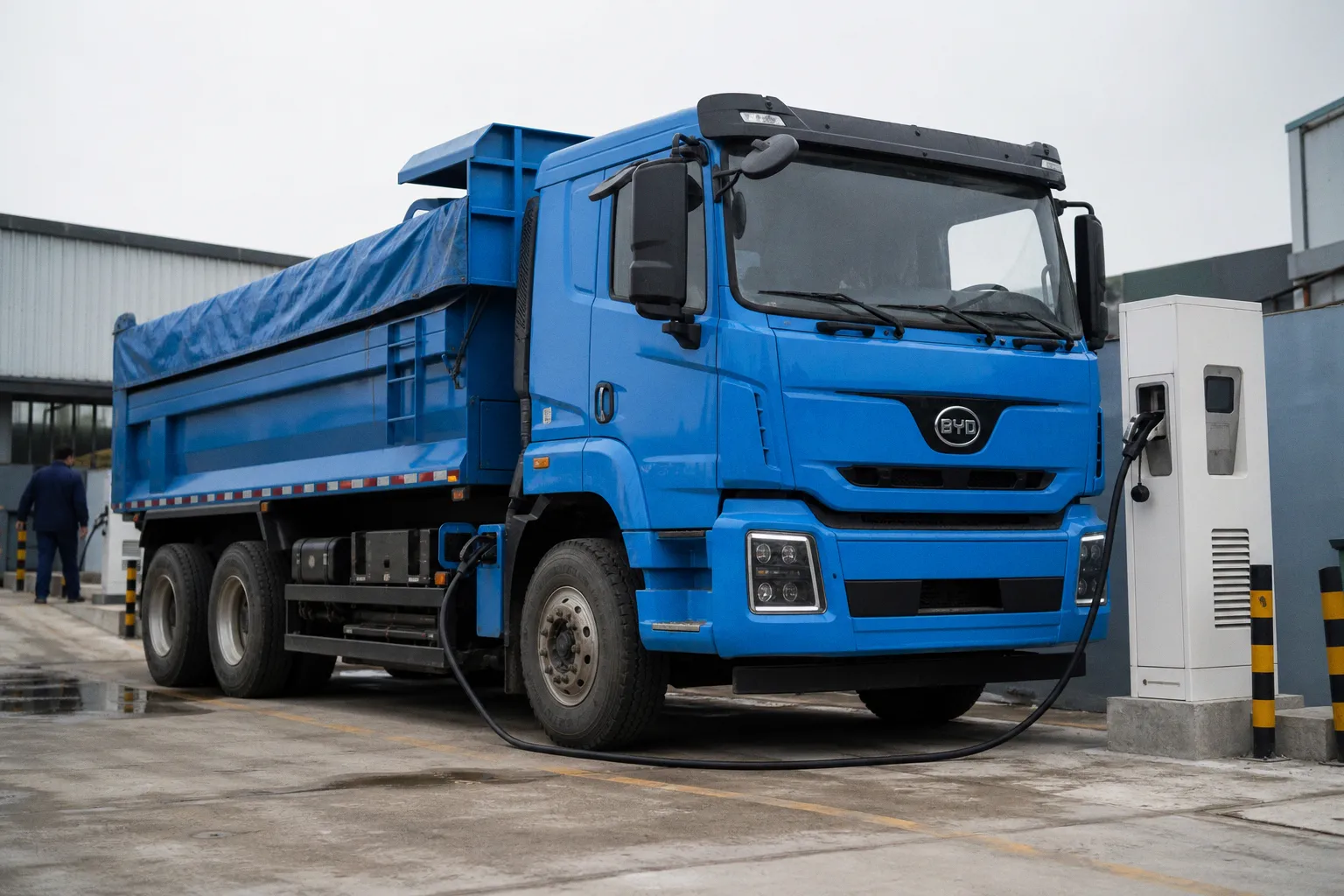
According to the South China Morning Post, BYD has leapfrogged Tesla to reclaim the title of the world's largest battery-electric vehicle manufacturer, riding a wave of overseas shipments — even though its home deliveries slipped 8.2 percent year-over-year. For American shoppers, this reshuffle signals something practical: BYD's export push means more competition is headed toward markets that already have dealer networks, which historically pushes prices down and forces incumbents like Tesla to respond with pricing adjustments, financing incentives, or faster feature rollouts. If you've been watching the out-the-door price on a Model Y or waiting for a reason to seriously cross-shop Chinese-made EVs, this is the competitive pressure that gets you closer to a better deal.
China mandates 19 physical buttons — and it might matter here, too
Here's the one I'd actually file under "things that affect your daily grocery run." Electrek reports that China has finalized a regulation requiring automakers to keep physical buttons and controls for 19 safety-critical functions — everything from defoggers to gear selectors. The rule takes effect July 1, 2027, and it's a direct response to the screen-everything trend that Tesla popularized and many Chinese startups doubled down on.
As someone who's fumbled through a frozen touchscreen trying to activate rear defrost at 6 a.m., I'll say this plainly: the regulation makes sense. Touchscreens are cheaper for manufacturers to update and sleeker on a showroom floor, but they demand eyes-off-road time that a physical button simply doesn't. Europe has already moved in this direction through Euro NCAP's top-rating criteria, and while US regulators haven't signaled the same urgency, the global supply chain is the real lever here. Automakers rarely design two separate interior architectures — one for China and one for everyone else. If buttons are mandatory in the world's largest EV market, expect them to show up in the cabin of your next EV whether the NHTSA mandates them or not. For buyers evaluating cockpit ergonomics today, it's worth noting that some brands are already reversing course and re-adding stalks and buttons on their own.
The China delivery slowdown — what it means for you
The SCMP also flagged that China's overall EV deliveries are continuing a downward spiral, raising broader industry concerns. For a US-based buyer, the direct impact is limited — we don't import most of these models yet. But indirectly, a cooling domestic market intensifies export pressure. When Chinese automakers can't sell enough at home, they look outward harder, which means more competitive pricing and model availability in markets where they're trying to gain a foothold. That's good news for your wallet if you're in the "wait and see" camp.
Bottom line: If you're shopping today, the BYD-Tesla rivalry is no longer an abstract headline — it's the kind of competitive squeeze that translates into real incentives and faster innovation on the lot. And if you hate digging through touchscreen menus for basic controls while driving, the industry is slowly getting the message. Keep an eye on which 2027 and 2028 model-year EVs bring back tactile buttons; it's becoming a genuine differentiator worth factoring into your shortlist.