How AI Is Helping Manufacturers Catch Quality Problems Before Products Ship
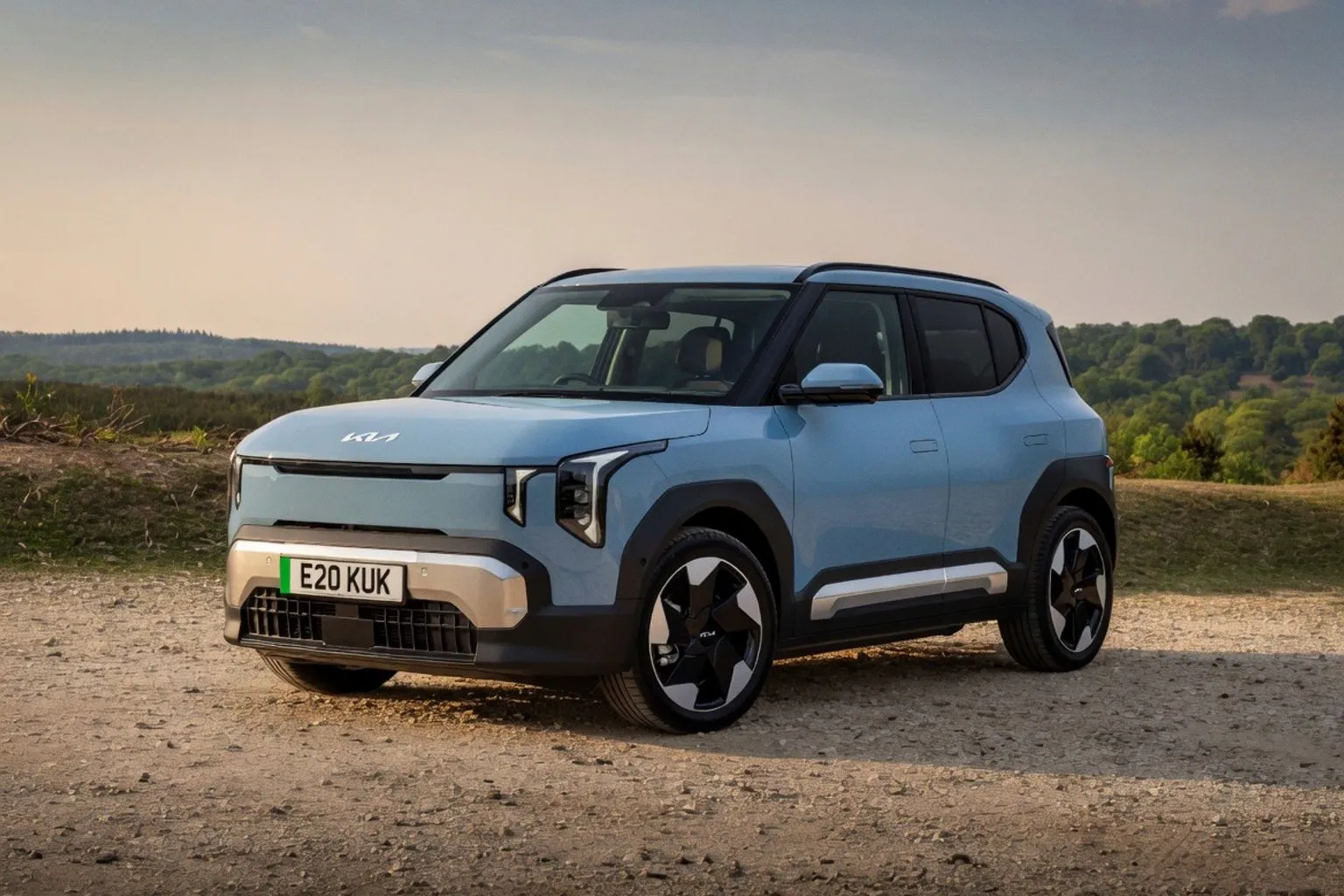
The EV sitting in your driveway went through more checkpoints than most people realize — and increasingly, one of those checkpoints is a machine-learning system that never gets bored, never blinks, and never skips a station on a Friday afternoon.
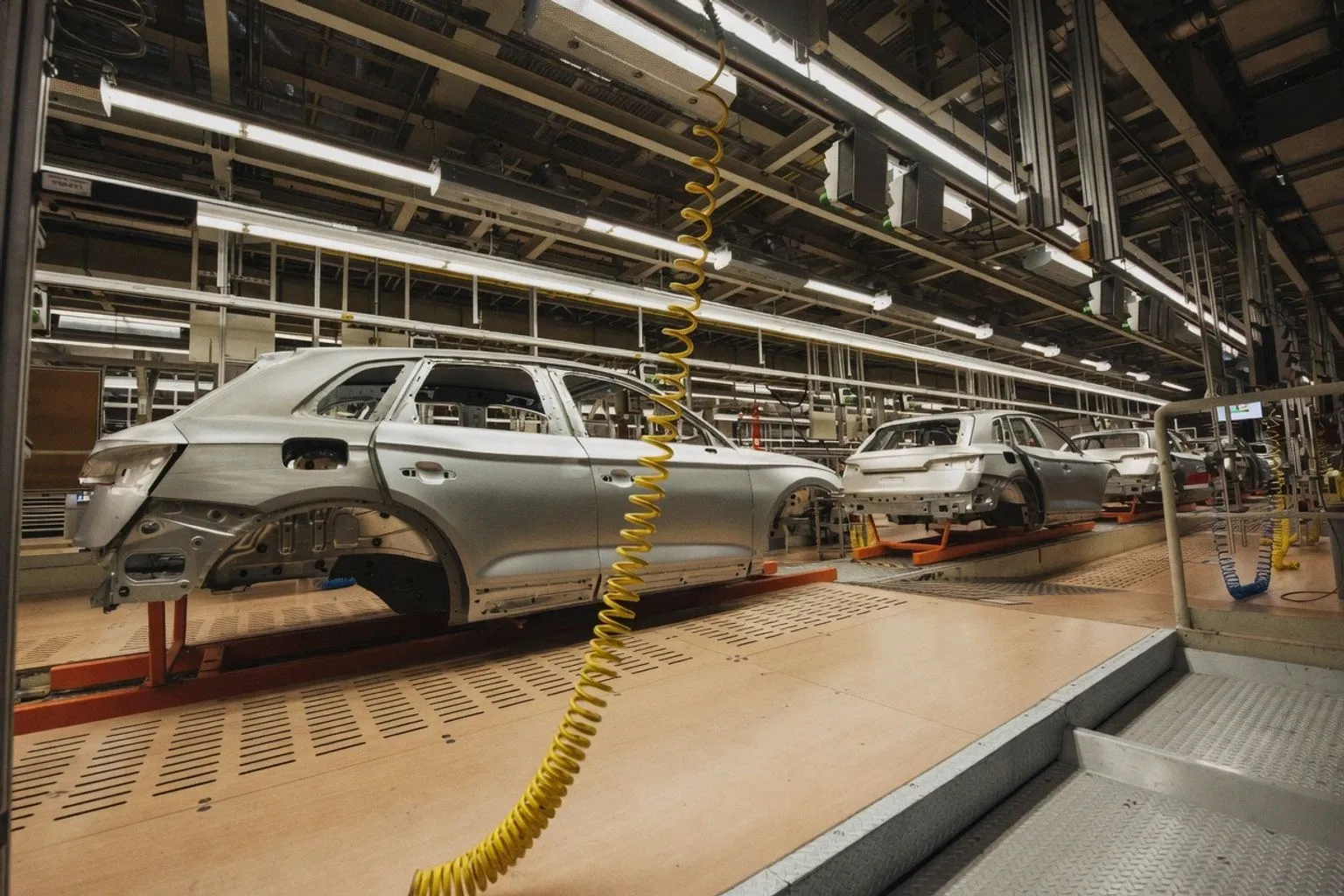
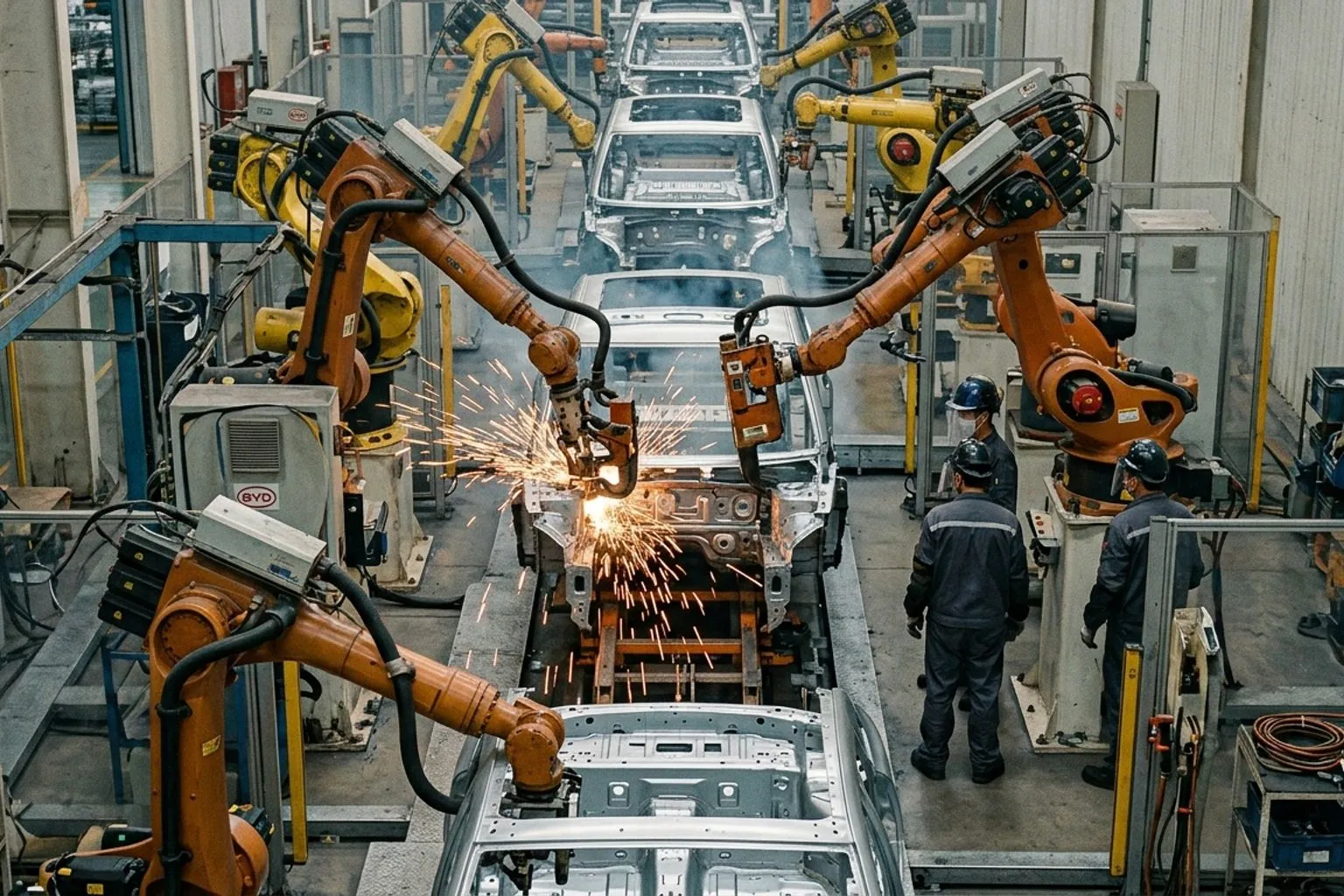
I want to be upfront: this isn't a "robots are taking over the plant" story. The piece is clear that AI doesn't replace human inspectors — it gives them better eyes. Cameras under controlled lighting scan surfaces, shapes, components, and labels. Sensor arrays pick up vibration, temperature, and pressure anomalies that would take a person hours to correlate. Machine learning models study thousands of good and failed parts and learn the difference. The result is that subtle defects — the kind that used to slip through sampling plans and show up three weeks into ownership as a weird rattle or a misaligned trim panel — get flagged and held before the truck is even loaded.
What AI is actually catching
According to the explainer, the defect categories AI systems are built to flag include scratches, cracks, dents, incorrect dimensions, poor finishing, missing parts, contamination, incorrect labels, and unusual machine behavior. For an EV buyer, that list reads like a checklist of the most common early-ownership complaints on owner forums. Panel gaps. Mismatched paint. A charge port door that doesn't sit flush. A frunk that won't latch. A software label on the wrong trim level. These are exactly the small, visible-on-day-one problems that have historically driven the first-wave quality reports on new EV launches.
The article also notes that AI is most reliable on defects that are visual, repetitive, and well-documented — meaning a model needs plenty of examples before it trusts its own call. Rare, hidden, or inconsistently photographed defects are still the hardest ones. Translation for shoppers: the flashy, easy-to-see issues are getting caught earlier. The weird, intermittent electrical gremlin? That's still a judgment call between a human engineer and your dealer.
What this means at the dealership
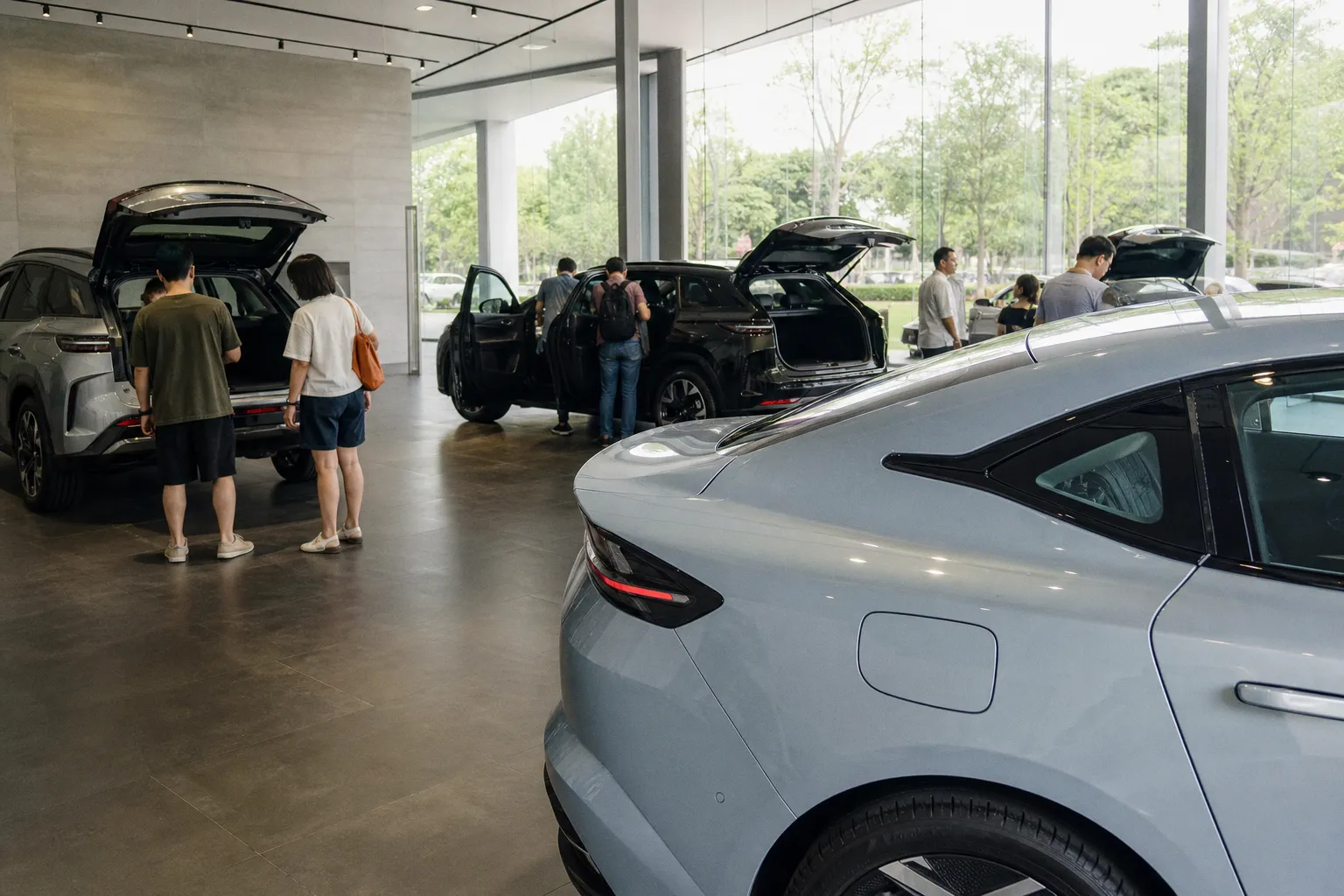
Here is the part that actually affects your out-the-door decision. If a manufacturer has invested seriously in pre-shipment AI inspection, your delivery day is more likely to be the "I love this car" story rather than the "they're already ordering parts" story. That's a real dollar value — fewer service appointments, no rental car coordination, no "we need to keep it for a few days" phone call two weeks after you sign the paperwork.
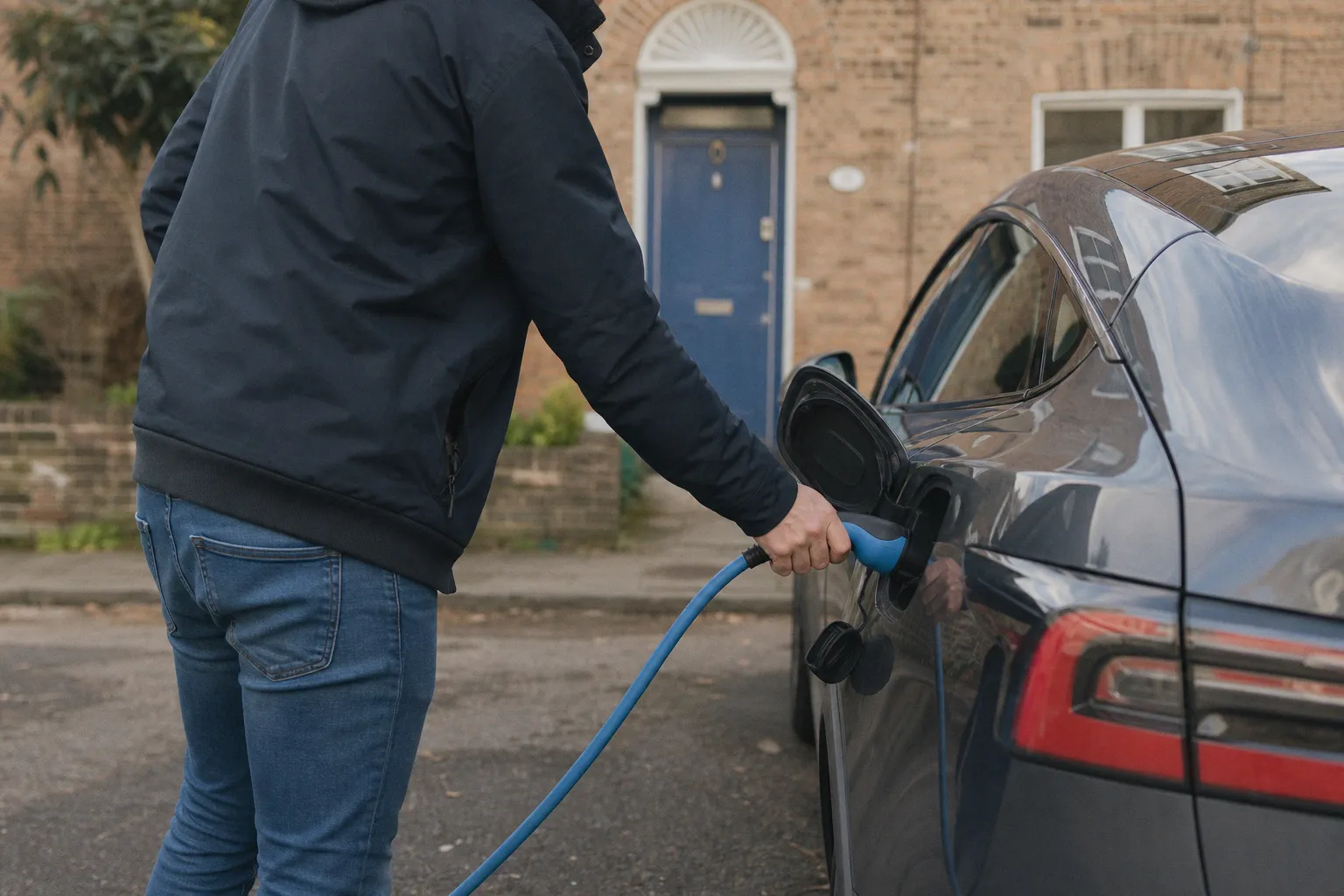
But — and you knew a "but" was coming — AI catching defects on the line doesn't mean every unit is perfect. It means the manufacturing process is more consistent, not that every car is hand-polished by a craftsman. The standard advice still applies: do your own walkaround at delivery. Check panel gaps with your eyes, not just the salesperson's reassurance. Test every door, every button, the charge port, the frunk, the liftgate. If something feels off, say so on the spot. AI caught the crack you can't see; your hands and ears are still the final check for the things the cameras might not.
What I'm watching next
There's also a timely companion note from AD HOC NEWS about Koito Manufacturing highlighting lighting technology for global automakers — worth flagging because lighting assemblies are one of the easiest places for AI vision systems to catch misalignment, and headlight quality has been a quietly recurring complaint in newer EVs. I don't have full details on Koito's announcement, but it's a name worth filing away if you're cross-shopping trims where lighting is part of the package.
The bottom line for buyers: factory AI is a good reason to trust a brand's recent quality improvements, but not a good reason to skip your own delivery inspection. The technology is doing what it should — catching the boring, expensive problems before they become your problem. Your job is still to spend twenty minutes looking over the car before you drive it home.