China’s passenger car exports are up 80% in June as EV demand grows, while sales drop at home
If you've been shopping for an EV lately and noticed a few unfamiliar badge names popping up at local dealers or online import listings, there's a very concrete reason behind it.
The numbers that changed the game
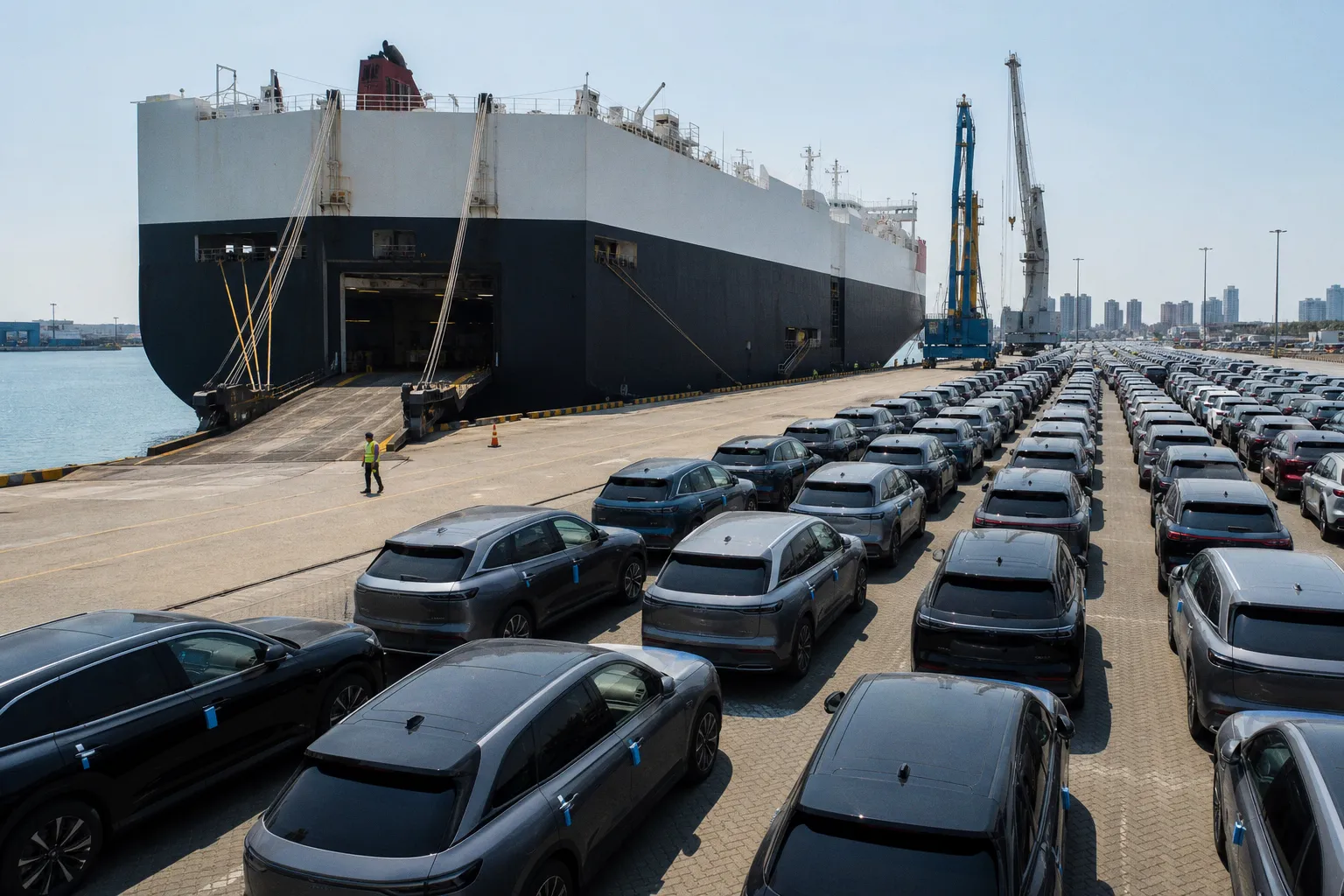
According to data from the China Association of Automobile Manufacturers (CAAM), June 2026 saw 1.037 million vehicles leave Chinese ports — a 75% jump compared to the same month last year. That's not a typo. For context, CAAM had projected the entire year would bring in around 7.4 million exports, a modest 4% bump. By the end of June, the industry had already shipped 5.1 million units, blowing past that cautious forecast. The growth rate itself has been accelerating: January exports were up 45% year-on-year; by June, that figure hit 75%.
The electric slice is even more striking. New energy vehicle exports — that's BEVs and PHEVs combined — hit 523,000 units in June alone, roughly 1.6 times the volume from a year prior. For the first time, NEVs made up more than half of all monthly exports. Every second car leaving China is now electric or electrified.
What this means when you're shopping
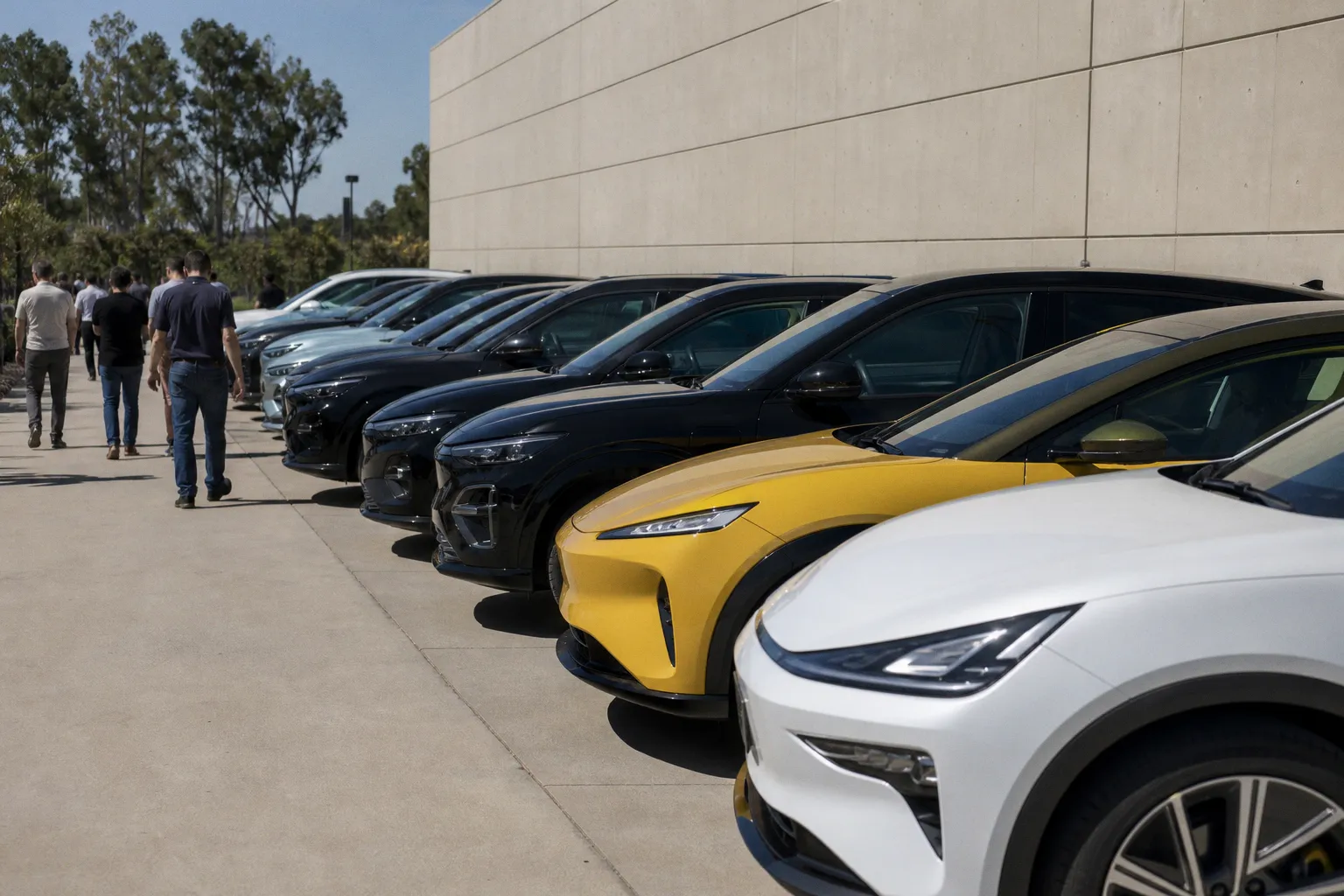
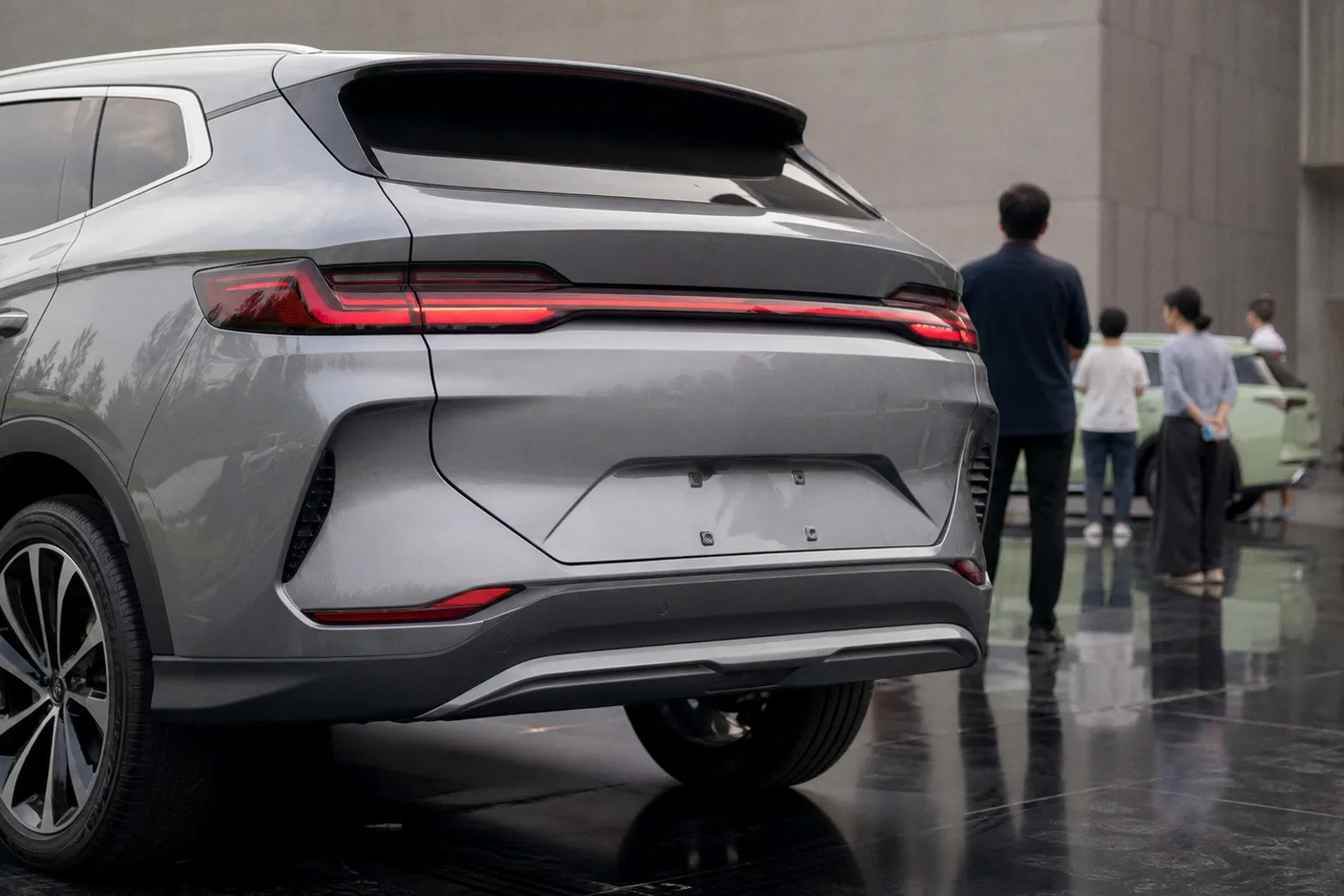
Here's where it gets personal for EV buyers. More Chinese-sourced inventory means more competition at every price point. We're already seeing brands like BYD, MG, and several newer entrants push into markets that were dominated by legacy OEMs just two years ago. If you're comparing out-the-door prices on a compact crossover or a budget-friendly sedan, you're almost certainly cross-shopping a Chinese-made EV now — whether you realize it or not.
That competition typically drives two things: lower MSRPs and better standard equipment. Manufacturers fighting for market share tend to load up features — better infotainment, longer warranties, faster charging hardware — to stand out. For cost-conscious buyers, this is genuinely good news. The practical upside is that the pool of viable, affordable EV options is expanding fast, and the price pressure ripples upward to models assembled elsewhere too.
But there's a caveat worth keeping in mind. EU regulators have launched anti-subsidy investigations and are rolling out carbon tariffs on Chinese imports. If similar trade friction builds in North America, the pricing advantage could narrow. The current window of aggressively priced Chinese EVs may not stay this open indefinitely.
Domestic slowdown, export push — the leverage shifts
The domestic Chinese auto market is under pressure, with double-digit sales declines reported for recent months. That's a straightforward supply-and-demand story: when home demand softens, automakers redirect inventory toward export markets with more appetite. For buyers in Europe, Southeast Asia, and parts of Latin America, this means a wave of models that were previously China-only are now showing up locally — often at launch-day pricing designed to grab early market share.
Cui Dongshu, Secretary-General of the China Passenger Car Association, has flagged that the second half of 2026 may see growth moderate, partly because exports in late 2025 already set a high baseline. The takeaway for shoppers: if you've been waiting for prices to bottom out, the next few months could represent a sweet spot before any tariff-driven adjustments kick in. Check dealer inventory now, compare the total cost of ownership — including charging infrastructure and warranty terms — and don't assume the cheapest sticker price is the best deal once you factor in service network availability.
The EV market is moving fast. This export surge is one of those behind-the-scenes shifts that directly shapes what's on the lot and what price you'll pay.