Thailand locks in $4.1 billion in EV supply chain investment as auto sector pivots
$4.1 billion across 198 EV supply-chain projects is not a model launch. It is a capacity signal. Thailand’s Board of Investment says the pledges cover battery electric vehicles, hybrids, battery manufacturing, critical components, and charging infrastructure.
The investment is spread across the hardware stack
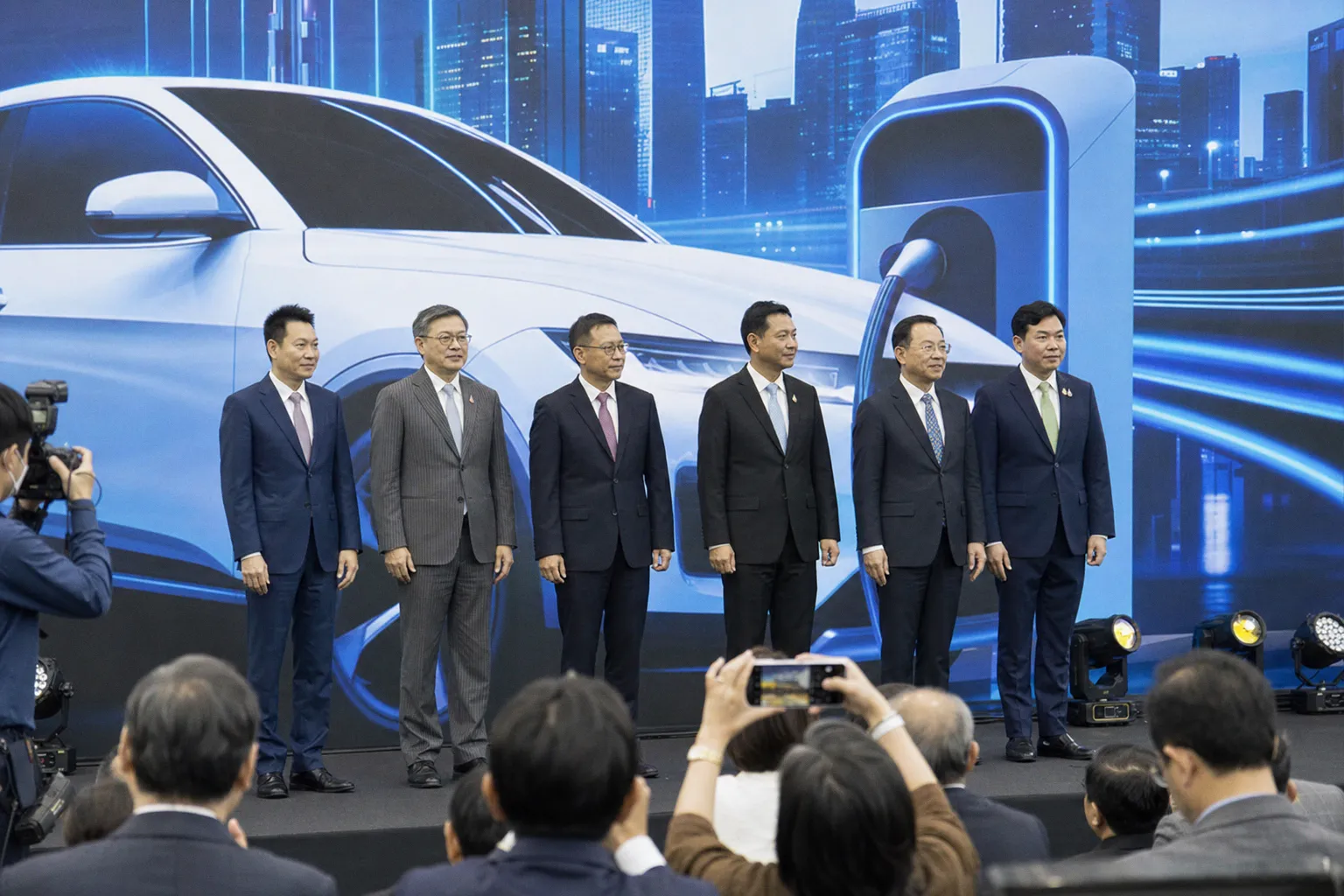
According to Media OutReach, citing Thailand’s Board of Investment, the country has secured more than $4.1 billion in investment pledges across 198 projects in the EV supply chain. The scope matters. This is not limited to final assembly.
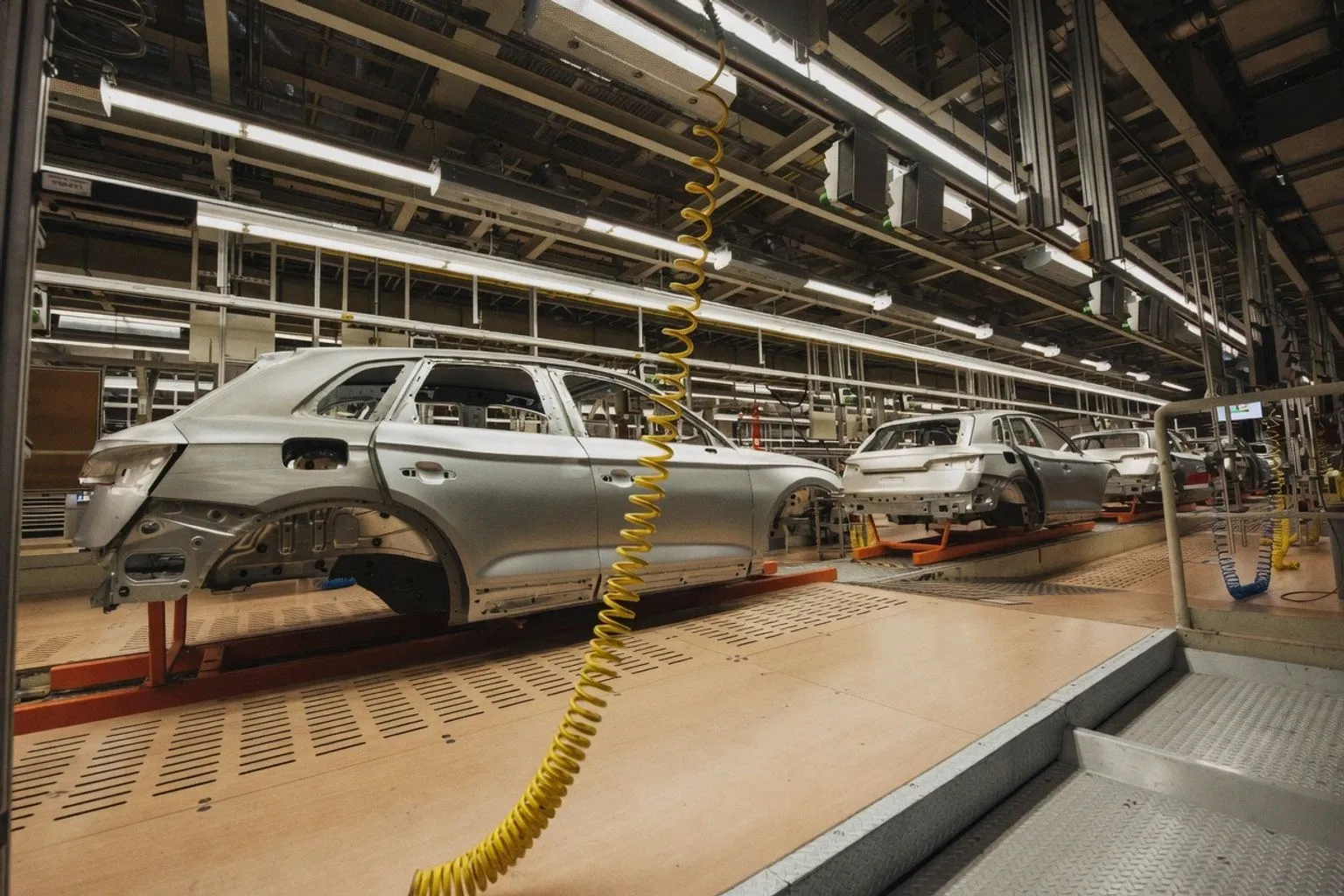
The covered areas include BEVs, hybrid systems, battery manufacturing, critical components, and charging infrastructure. That distribution is the technical detail to watch. A market with vehicle assembly but weak component depth still depends heavily on imported modules, slow replacement flows, and thin technician coverage. A market with battery, component, and infrastructure investment has a better chance of reducing those bottlenecks.
Thailand is also not taking a BEV-only route. Its policy framework supports HEVs, PHEVs, and BEVs. In 2025, electrified vehicles accounted for more than 40% of new vehicle registrations in Thailand, with HEVs at 21.8% and BEVs at 19.6%, according to the same source material. That split is pragmatic. It keeps legacy production active while the battery-electric side scales.
For consumers outside Thailand, the immediate takeaway is restrained. This does not mean lower prices next quarter. It does mean Southeast Asia is becoming more relevant as a production and sourcing base for EVs, batteries, and charging hardware.
Local production is only useful if the supply chain follows
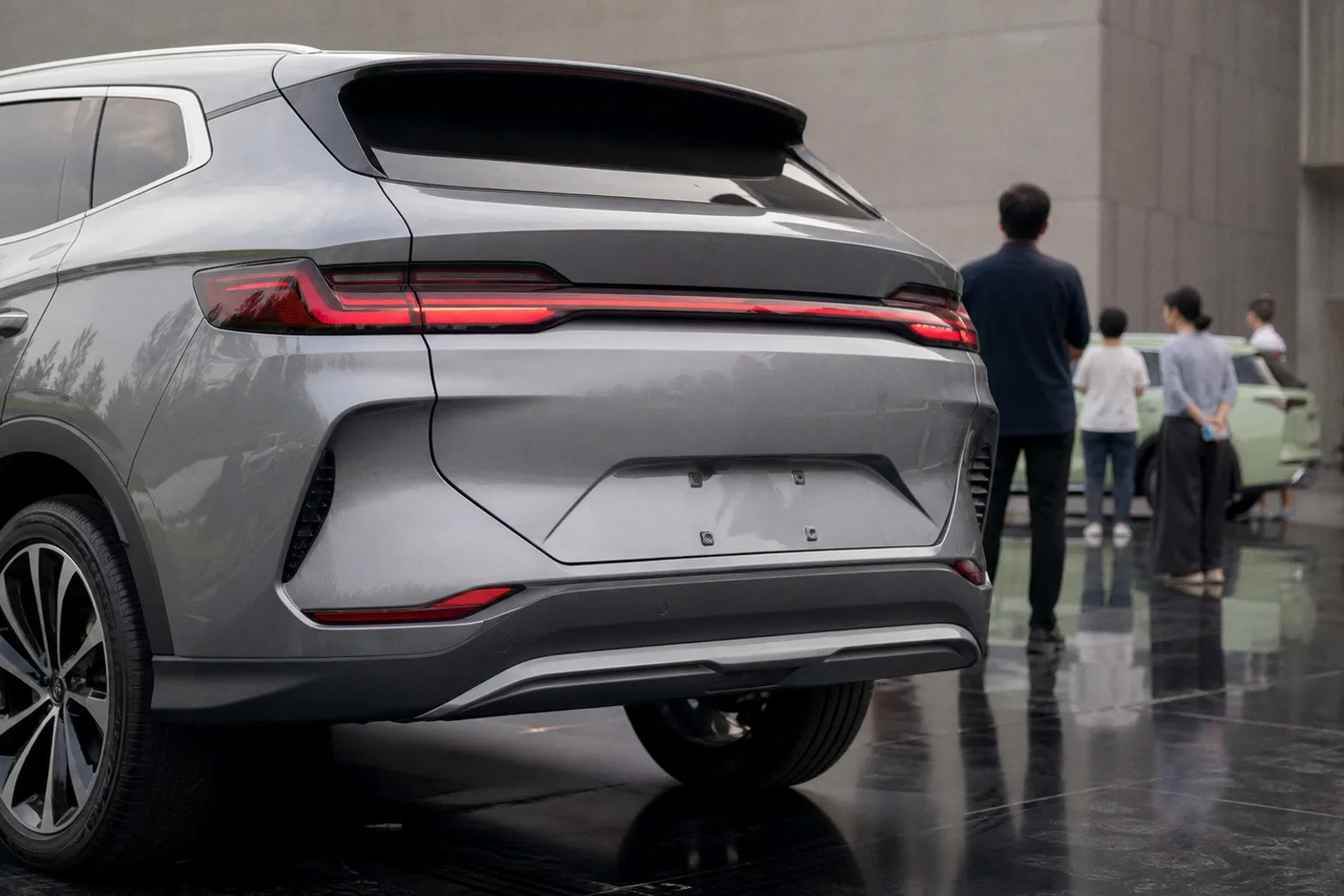
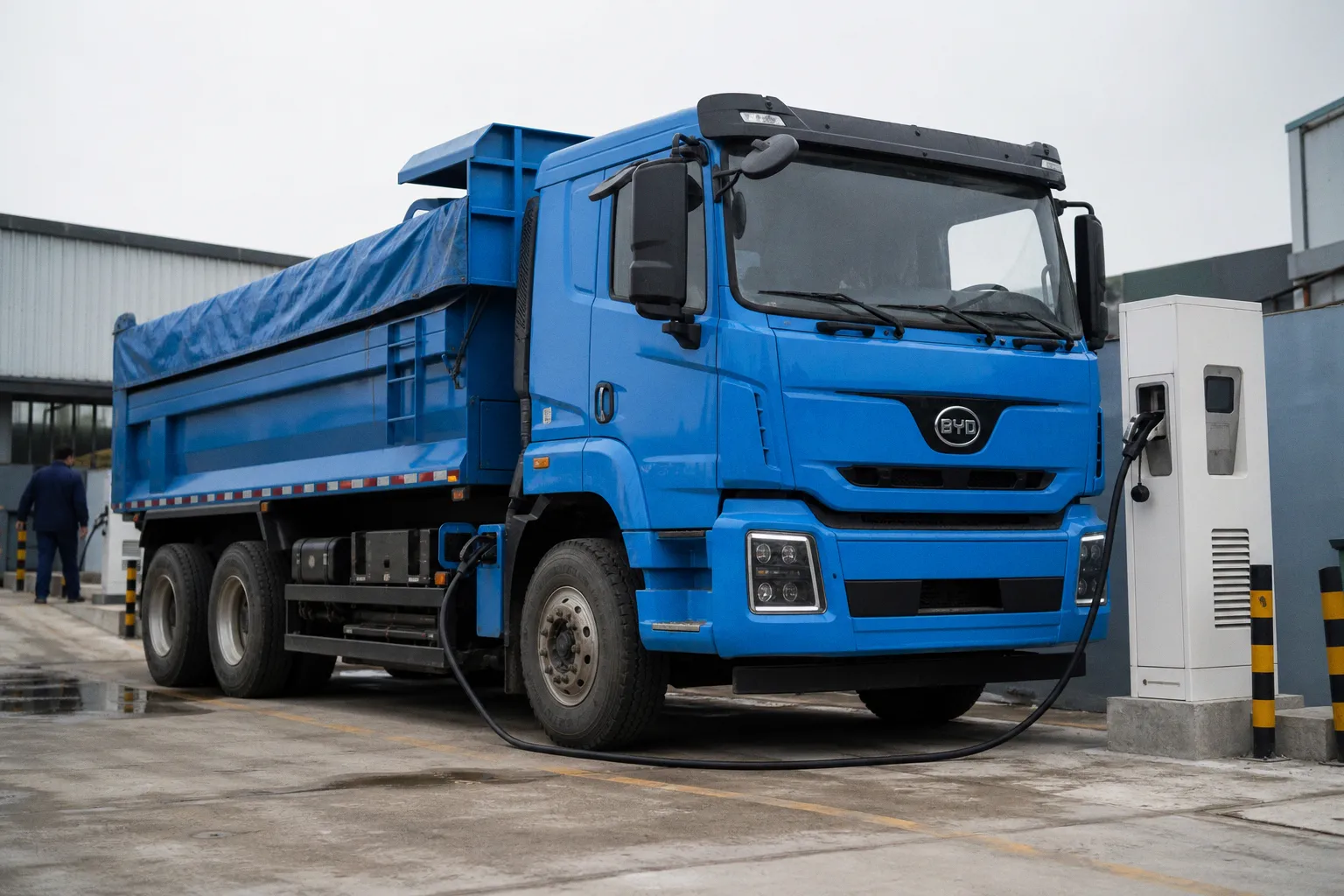
The BOI says major automakers have localized production in Thailand, including Mercedes-Benz Manufacturing, BYD, Great Wall Motor, SAIC Motor, Aion, Changan Auto, EV Primus, Hyundai Mobility, and Omoda & Jaecoo. The reported investment activity has also created more than 16,000 local jobs.
Those numbers are useful, but they are not the final metric. The better test is procurement depth. The BOI says 18 “Sourcing Day” events connected more than 800 qualified Thai parts manufacturers with multinational automakers, producing more than 1,200 business matches. It estimates those links will generate more than $1.79 billion in domestic procurement value.
That is where the buyer-facing impact starts. EV reliability is not only cell chemistry and peak charge rate. It is inverter availability, pack service capability, thermal-management parts, onboard charger supply, and trained labor. A localized ecosystem can shorten repair cycles. A shallow one cannot.
The same logic applies to charging infrastructure. Investment pledges that include charging are relevant, but uptime, connector coverage, payment interoperability, and grid-side capacity remain the real performance indicators. Hardware deployment is the first step. Utilization under heat, rain, traffic peaks, and depot duty cycles is the harder test.
Fast charging headlines are moving faster than infrastructure
Two other signals in the same news cycle show why Thailand’s supply-chain move matters. EV Technology reports that CATL has released the Tianxing II ultra-fast charging battery for light commercial EVs, capable of reaching 80% charge in under seven minutes. ArenaEV reports that Geely’s Aegis “Gold Brick” battery breakthrough delivers more than 1000 kW charging.
Those are high-power claims. Treat them as engineering targets until tested in repeatable real-world conditions. Peak charge rate is not the same as sustained charge curve. A pack that accepts very high power for a short interval still needs matching thermal control, charger output, cable hardware, site power, and software coordination. Otherwise the system throttles.
Wireless charging is moving on a different track. A GlobeNewswire item citing a market report projects significant growth for wireless EV charging, driven by fleet and public transport applications. The practical reason is downtime reduction, not faster peak power. Depots, logistics hubs, and selected urban routes are controlled environments. Alignment, reliability, and integration are easier to manage there than in open public charging.
The verdict: Thailand’s $4.1 billion pledge pipeline is not a reason to change an EV purchase plan today. It is a reason to watch where automakers source batteries, components, and charging hardware over the next product cycle. For buyers, the checklist stays mechanical: warranty terms, service coverage, parts availability, charging access, and verified charge performance. Investment announcements matter only when they improve those numbers.