Chinese EV Sales Drop 13% So Far In 2026 - Companies Aim For New Markets
You've probably seen Chinese EVs flooding your socials this year — sleek designs, long range claims, prices that make you do a double-take.
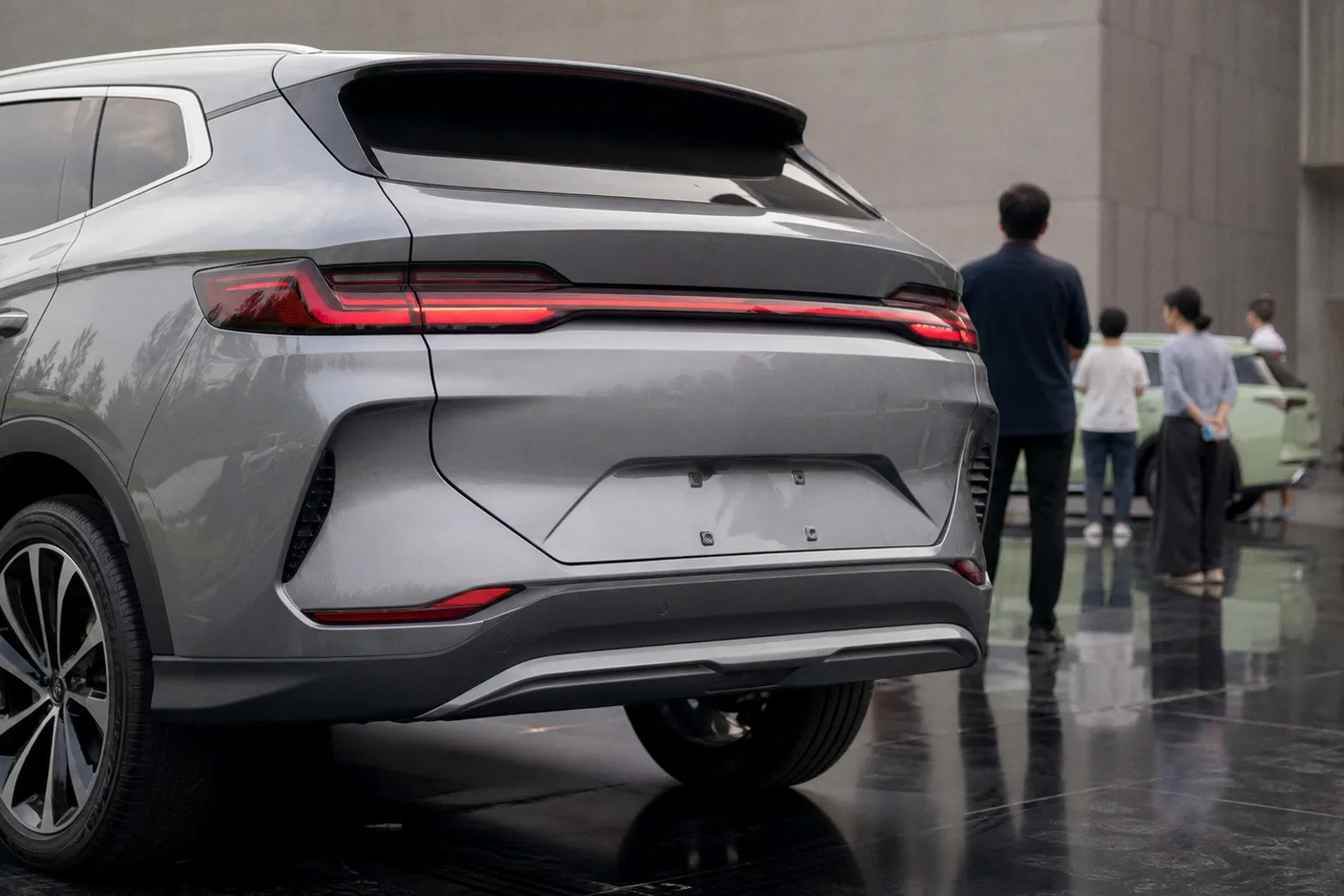
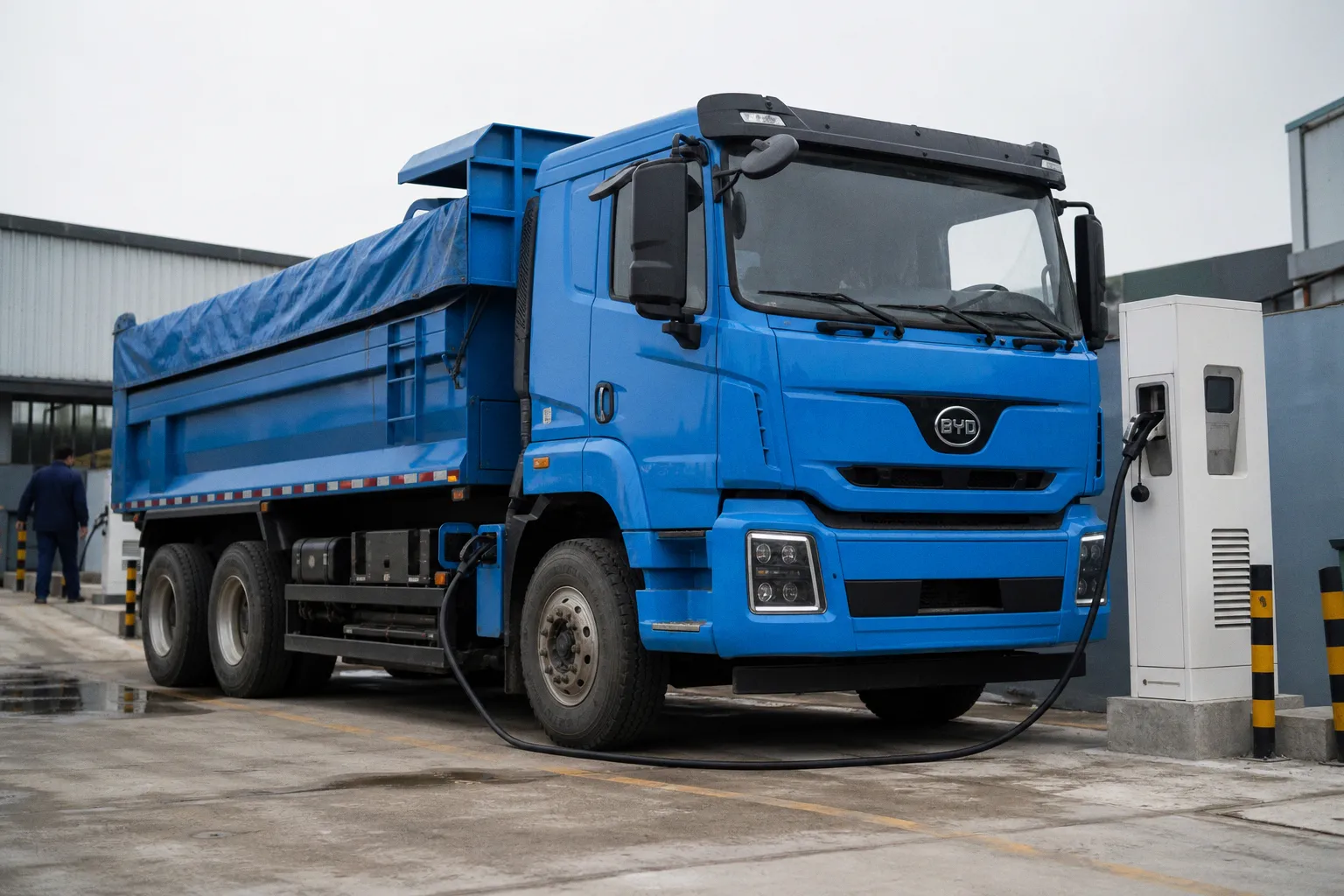
It might. The decline isn't a collapse — it's a pivot. CPCA data flagged by Moomoo points to a market where domestic fuel-vehicle sales are collapsing, new-energy vehicles hold dominant share, and exports are the real growth lever. As reported by autospies.com, that shift is exactly what we're seeing: Chinese automakers pushing harder into new markets as their home turf gets crowded.
The domestic cooling
The 13% figure is a snapshot of a market that's maturing fast — not a brand quality signal. China's NEV segment already dominates at home, per the CPCA framing, so a softer growth curve reflects saturation more than weakness. If you've been waiting for fire-sale pricing on a BYD or Geely at a local dealer, this is the context behind why those discounts already run deeper than you'd expect: manufacturers have less volume runway to coast on at home.
Where the volume is landing: Europe
Here's the part that matters more than it first looks. ACEA data reported by 36 Kr shows the top five Chinese automakers — BYD, SAIC, Geely, Chery, and Leapmotor — sold 138,400 vehicles across Europe in May 2026, up 64.5% year-on-year. Their combined market share jumped from 7.5% to 12% in a single year, and for the first time they outsold the six Japanese automakers (130,400 units, share down to 11.3%) across the broader European market.
Brand-level momentum, where it gets interesting for shoppers weighing trim lines:
- Leapmotor: +465.1% YoY
- Chery: +244.1%
- BYD: +136.6%
- SAIC and Geely: both above +10%
Growth like that doesn't happen on product alone — it happens on the kind of pricing and warranty terms aggressive market entry requires. Within a model cycle or two, that spec parity and pricing pressure pushes back toward North American buyers through gray-market channels or sanctioned distributor partnerships.
What this means for your next purchase
A 13% domestic dip doesn't make these brands worse cars. It means parent companies are more motivated to clear inventory and seed new markets aggressively. For buyers, that can show up as sharper lease residuals, steeper incentives on outgoing model years, and faster depreciation on the resale side — all worth pricing into any deal you're close to signing.
The line item I'd watch most closely over the rest of 2026 is whether any Chinese-brand EVs land through official distributor partnerships in North America. That's the variable that swings the value equation more than any sticker cut, because it changes parts availability, software support, and what your insurance company is willing to underwrite.
On the financial side, the same line-item instinct that works for comparing out-the-door EV pricing shows up everywhere — it's always worth seeing what fees actually look like side by side the way you'd quote a home charging install, because monthly math matters more than headline numbers, no matter what's on the lot.