Chinese Automotive Giants H1 2026: The World's Fastest-Evolving Automotive Battlefield
If you've been putting off your EV purchase thinking the market will "settle down," I have news that might either excite you or send you deeper into decision paralysis.
The Export Push Is Real — and It's Landing in Your Driveway
Here's what's actually happening behind the headlines. China's domestic passenger vehicle market contracted meaningfully in the first half of 2026 — reduced government incentives and broader economic pressure have cooled demand at home. So what are manufacturers doing? Exporting at record pace. Analysts expect China to ship close to 10 million vehicles overseas this year if momentum holds.
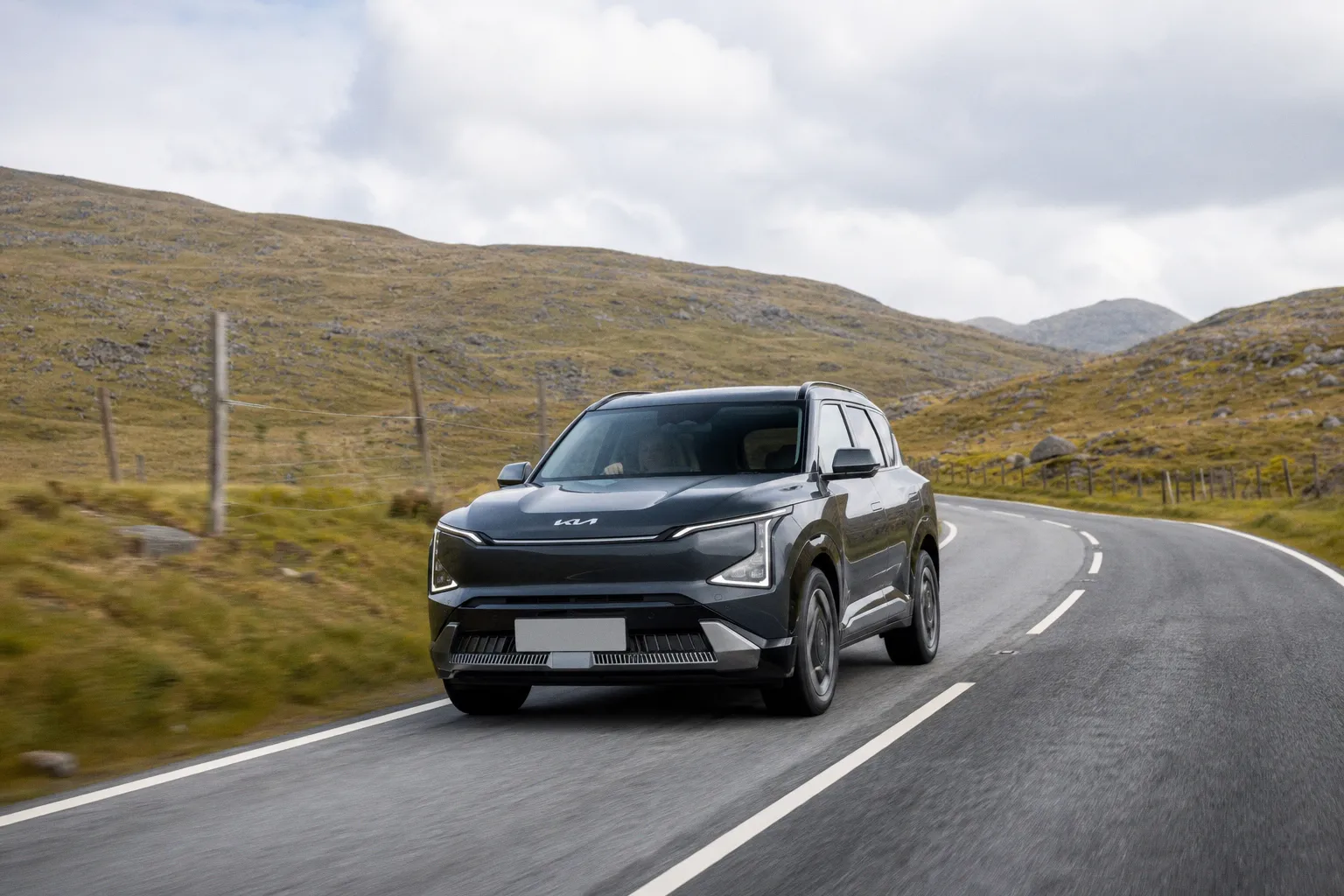
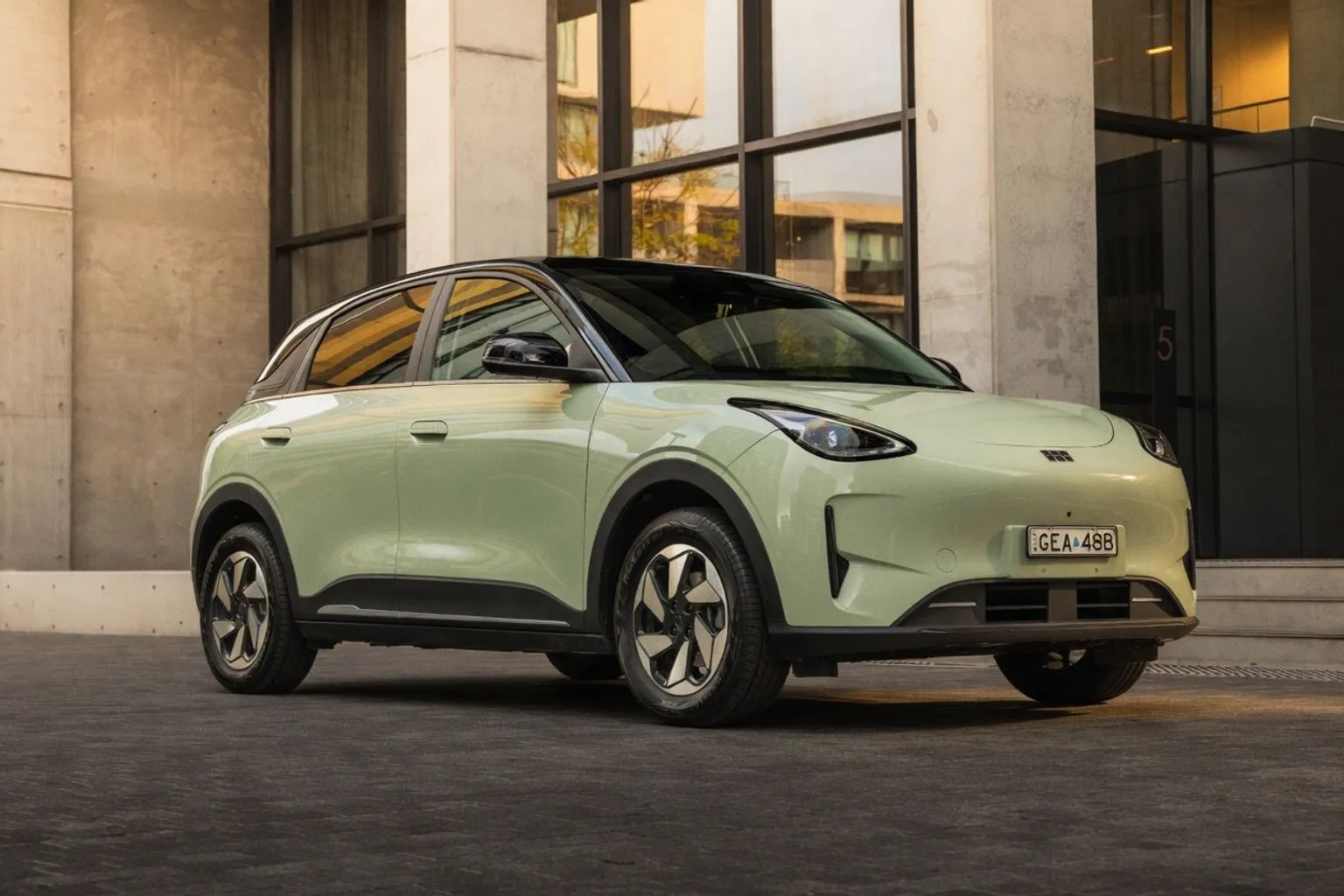
What that means for you as a buyer is simple: more models, sharper pricing, and faster feature cycles from brands like MG, BYD, Geely, and Chery. SAIC alone moved over 2 million vehicles in H1 — and while its domestic numbers slipped slightly, MG's export surge is keeping the group's momentum alive. Chery, which doesn't get nearly enough attention in Western coverage, has quietly built one of the strongest international footprints of any Chinese automaker, with Europe and Latin America driving growth. Geely, through its sprawling portfolio including Volvo and Polestar, posted 1.42 million units.
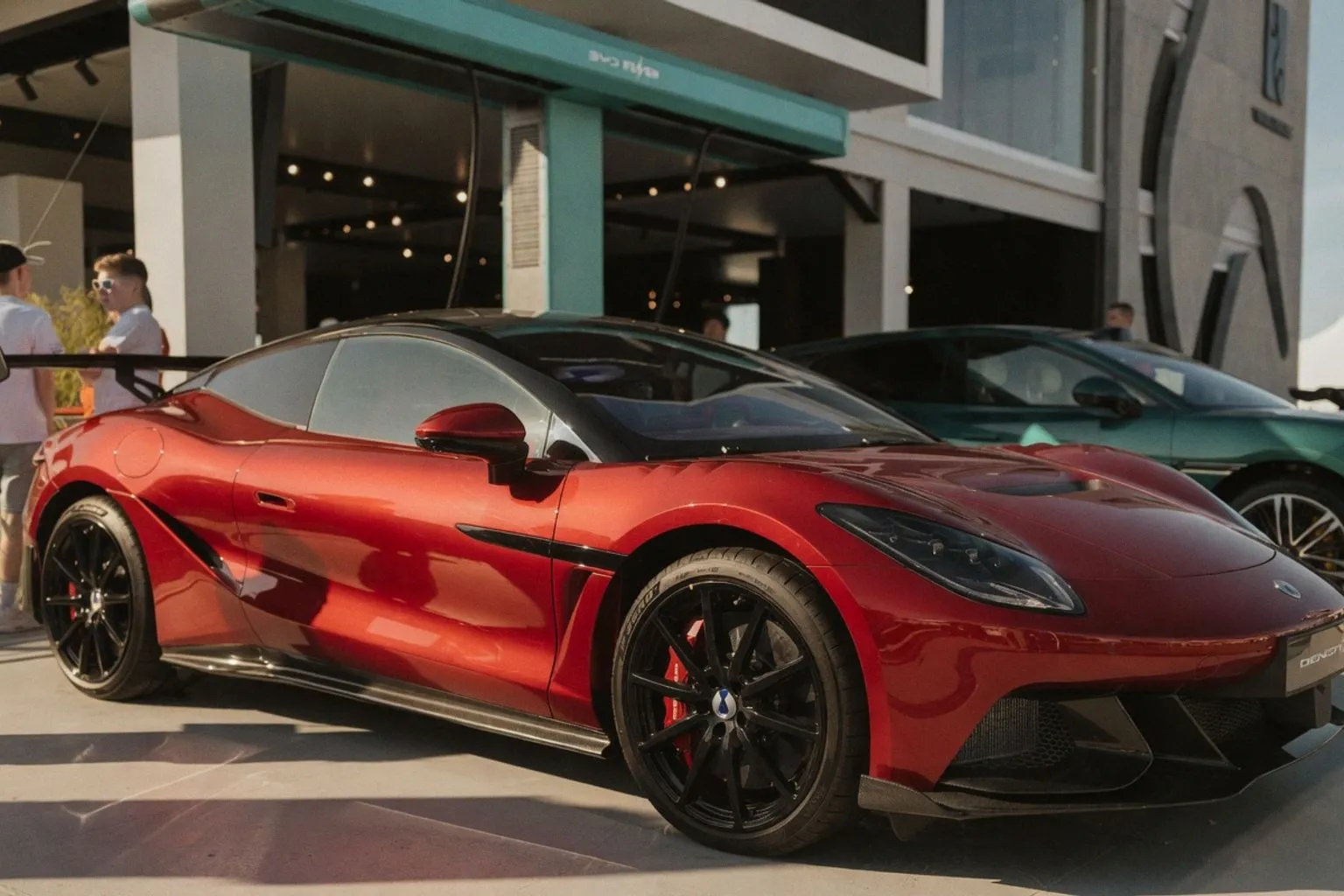
The practical takeaway? If you're shopping in the $25,000–$40,000 EV segment, the competitive pressure from Chinese-origin brands is about to intensify. That sensitivity to how premium brands position themselves in crowded markets applies directly here — MG and BYD were reported to dominate the affordable segment at Goodwood this month, signaling they're no longer content to be "budget alternatives."
What This Means for Your Out-the-Door Price
I've been watching pricing trends across dealerships for months, and the pattern is clear: legacy automakers are being forced to respond. When BYD and MG can offer competitive range, decent build quality, and modern infotainment at prices that undercut established players by $5,000–$8,000, it reshuffles the entire value proposition on the lot.
But — and this is important — don't let sticker price alone drive your decision. Factor in warranty terms, service network density in your area, resale value uncertainty, and how the tax rebate situation applies to your specific purchase. Not every Chinese-manufactured EV qualifies for the same incentives, and the dealership experience can vary wildly compared to what you'd expect from a legacy brand.
The Bigger Picture for Your Next Five Years of Ownership
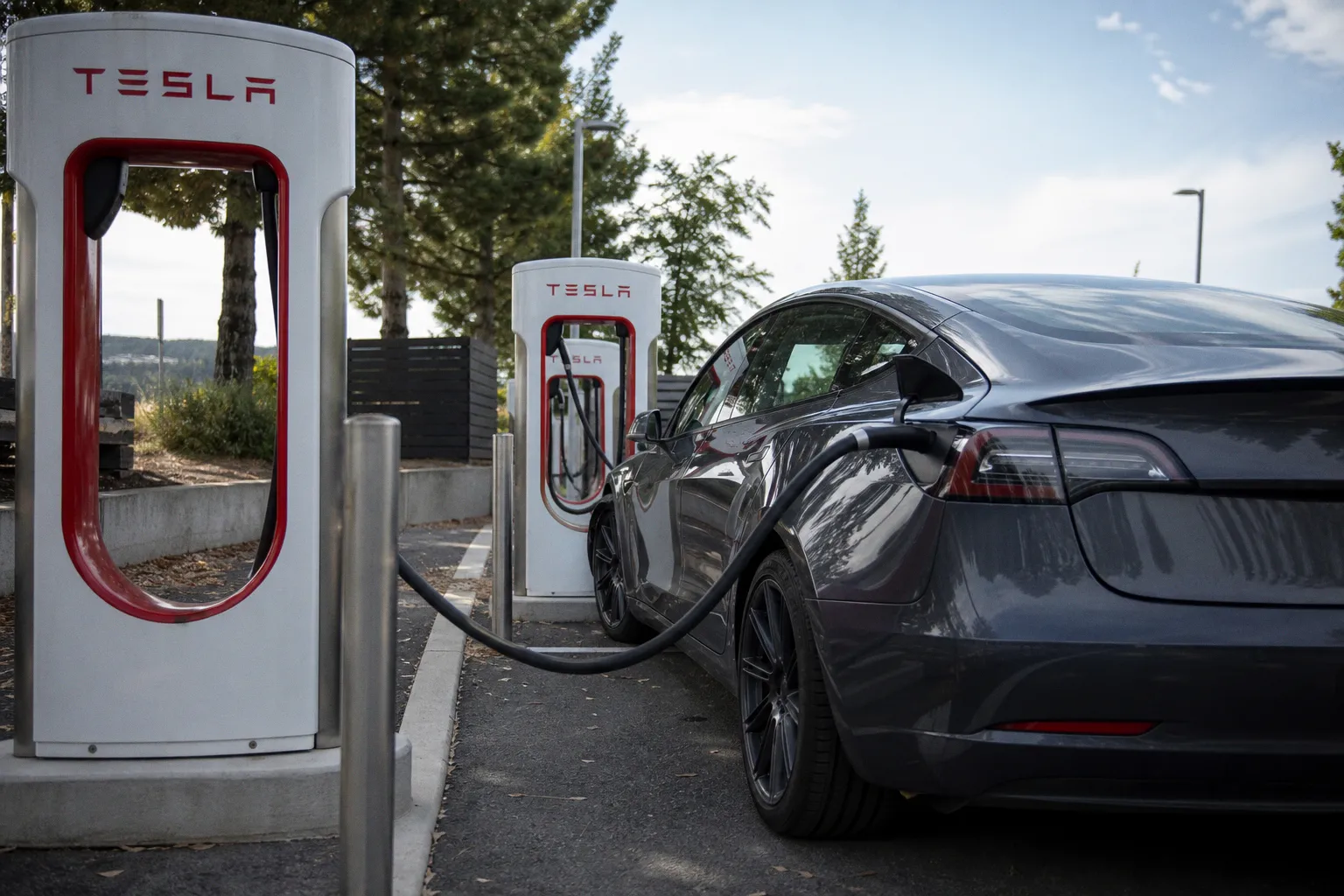
The momentum shift the Autopunditz analysis highlights is something I keep coming back to in conversations with readers: the fast-growing players — BYD, NIO, Leapmotor, and the Geely constellation — aren't just selling cars. They're iterating on battery tech, charging architecture, and software at a pace that makes some established brands look glacial. Tesla's Shanghai Gigafactory produced around 468,000 vehicles in H1, and it's still one of the most productive single plants on earth. That tells you the manufacturing base Chinese brands are drawing from is world-class.
If you're leasing, the risk calculus is different — you can afford to be bolder with a less proven brand on a two- or three-year term. If you're buying to own for seven-plus years, I'd still lean toward brands with established service networks and a clearer track record of long-term parts support. The deals are getting better, the products are genuinely improving, but the ownership infrastructure hasn't caught up everywhere yet.
My honest advice: test-drive what's new, negotiate hard, but don't let FOMO rush you into a brand-new badge with no local service footprint. The competition is only getting hotter — and that patience will be rewarded.