From factory to tech frontier: China becomes legacy automakers' innovation engine
For shoppers, the practical question is simple: if China is now being described not just as an auto factory but as an innovation engine, how much should that influence the EV you put on your shortlist?
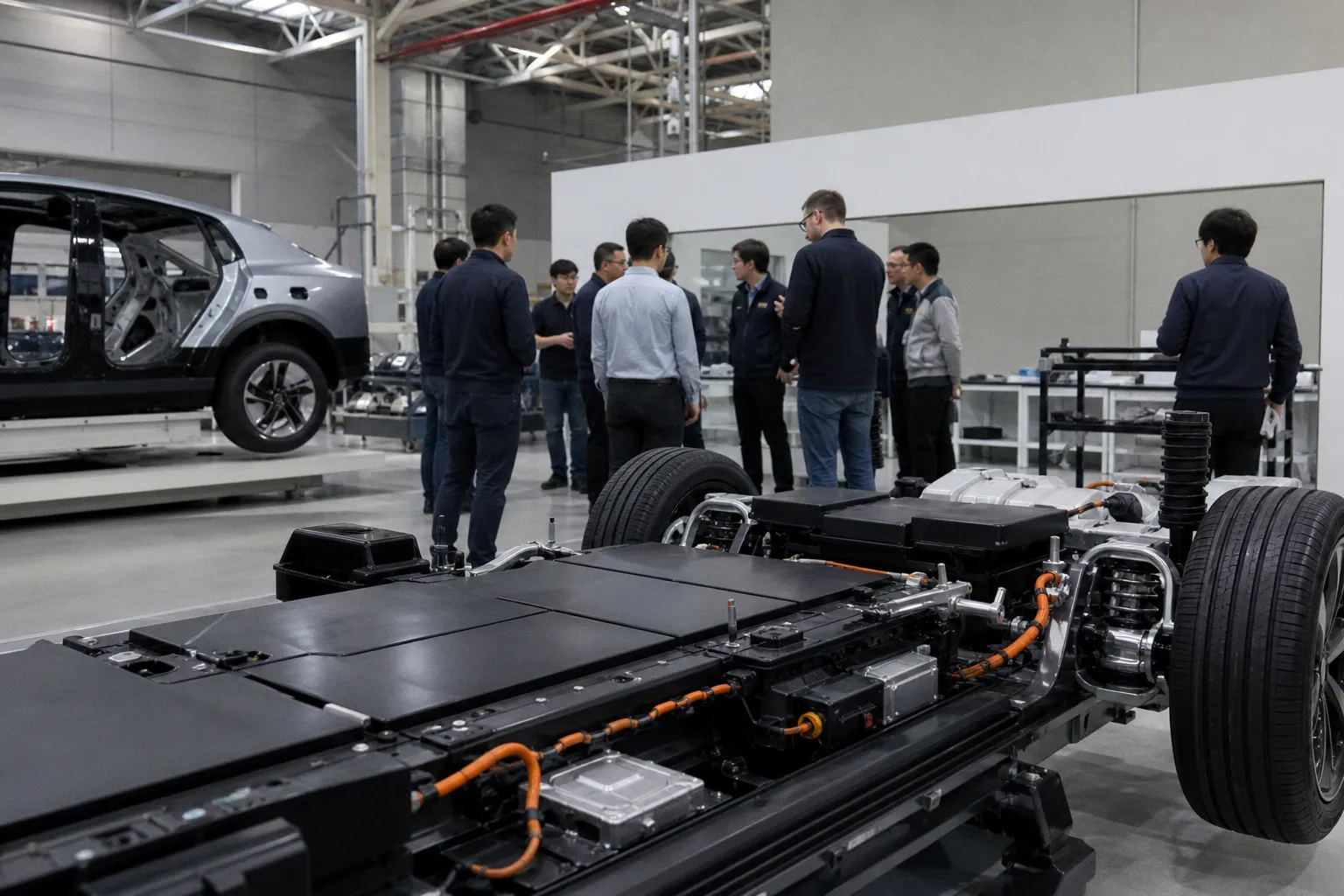
Why this matters at the dealership, not just in boardrooms
The old mental model was easy: China built cars, while established global brands designed the “real” product strategy elsewhere. These reports point to a different reality: China is increasingly being treated as a place where legacy automakers look for innovation, not merely production capacity.
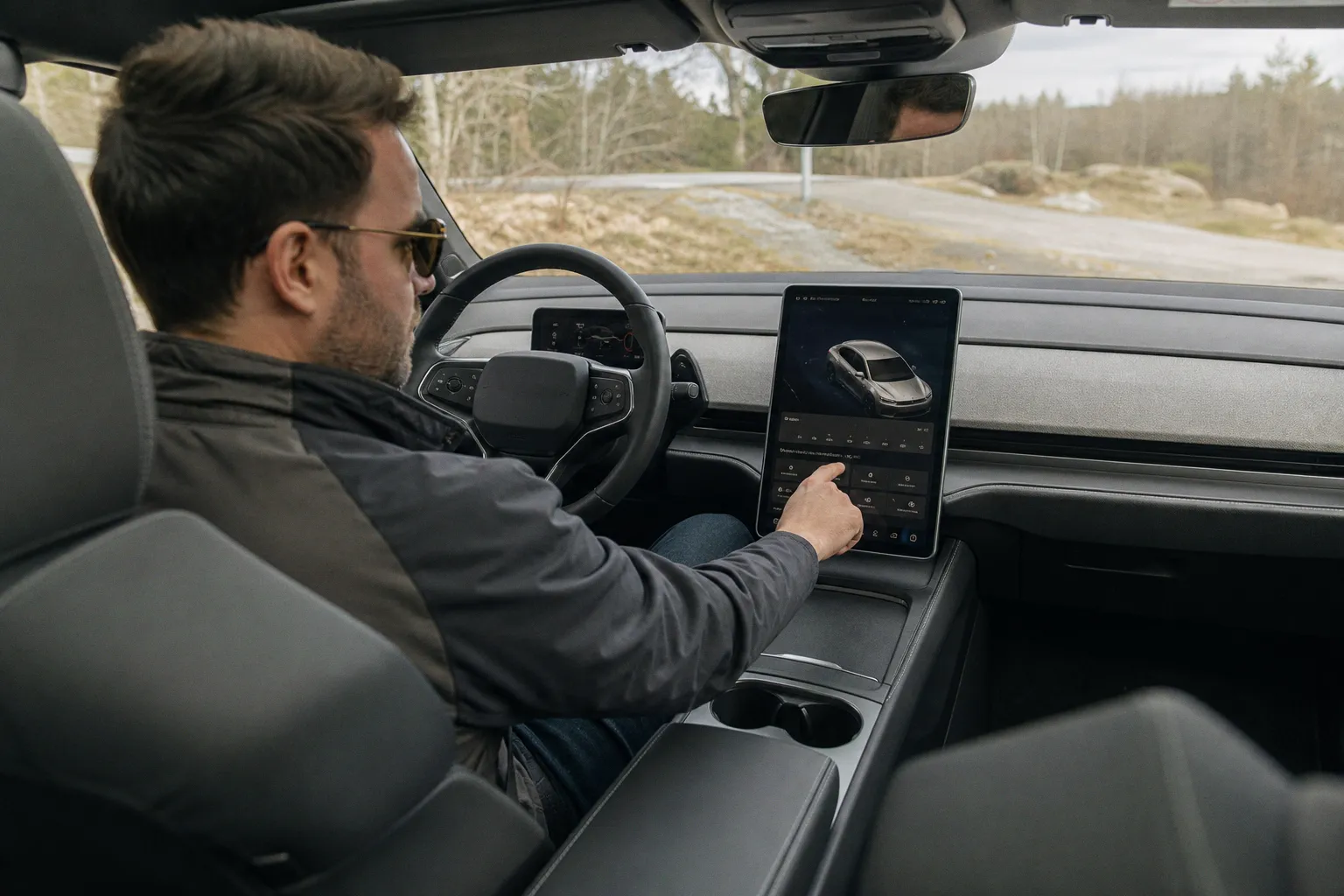
For an EV buyer, that shift shows up in a very practical way. The next time you compare two models, the deciding factor may not be horsepower or a badge on the hood. It may be the software interface, the way driver-assistance features are packaged, how quickly the car gets updates, or whether the cabin tech feels genuinely useful on a grocery run instead of impressive for five minutes in a showroom.
My advice: don’t read this as “China-made equals better” or “legacy brands are suddenly behind.” Read it as a warning that the EV market is moving faster than traditional model cycles. A familiar brand may now be leaning on ideas, engineering approaches, or competitive pressure from China — and that can be good for buyers if it leads to better value. But it can also make trim levels, options, and tech packages harder to evaluate.
What to check before paying for “innovation”
Because the available reporting here is broad, not model-specific, shoppers should avoid jumping to conclusions about any single vehicle. Instead, use this as a better test-drive checklist.
Before you let a salesperson sell you on “next-generation” tech, check:
- Can you use the core controls without hunting through menus? A slick interface is only a win if climate, navigation, charging settings, and driver aids are easy to manage while you’re tired, late, or carrying kids and groceries.
- Are the headline features included at the out-the-door price you were quoted? Innovation often lives in upper trims or option bundles. That can turn a competitive advertised price into a much less comfortable monthly payment.
- Does the car’s software feel finished today? Future updates are nice, but I would not buy an EV based mainly on promised improvements. Pay for the car you can drive home now.
- How does the brand support owners locally? A fast-moving tech strategy is only helpful if service, parts, warranty support, and charging guidance are solid where you live.
That last point is especially important. An automaker can learn from a cutting-edge market and still stumble in the everyday ownership experience. The best EV is not the one with the loudest innovation story; it is the one that makes your commute, weekend errands, and charging routine easier without blowing up your budget.
My read: good pressure, but don’t buy the headline
I see this as healthy pressure on legacy automakers. If China is becoming a serious innovation engine, established brands have fewer excuses for clunky software, confusing EV trims, and expensive tech packages that feel bolted on. Buyers should benefit when competition forces automakers to move faster.
But there is a catch: faster innovation can also mean more uneven execution. Some features will be genuinely useful. Others will be showroom theater. Until there are confirmed details tied to specific models, prices, battery claims, or launch plans, this is not a reason to delay a sensible EV purchase or chase a brand purely because it sounds more globally advanced.
My practical recommendation: if you are shopping now, keep your shortlist grounded in range that fits your week, charging access you can actually use, a payment that survives insurance and home-charging costs, and software that feels intuitive on a real test drive. Let China’s growing role as an innovation lab raise your expectations — but don’t let it talk you into paying extra for tech that does not make daily EV ownership easier.
More from the feed
 EV Market Stabilizes in Q2, as New Entries Help Slow Sharp Sales Decline
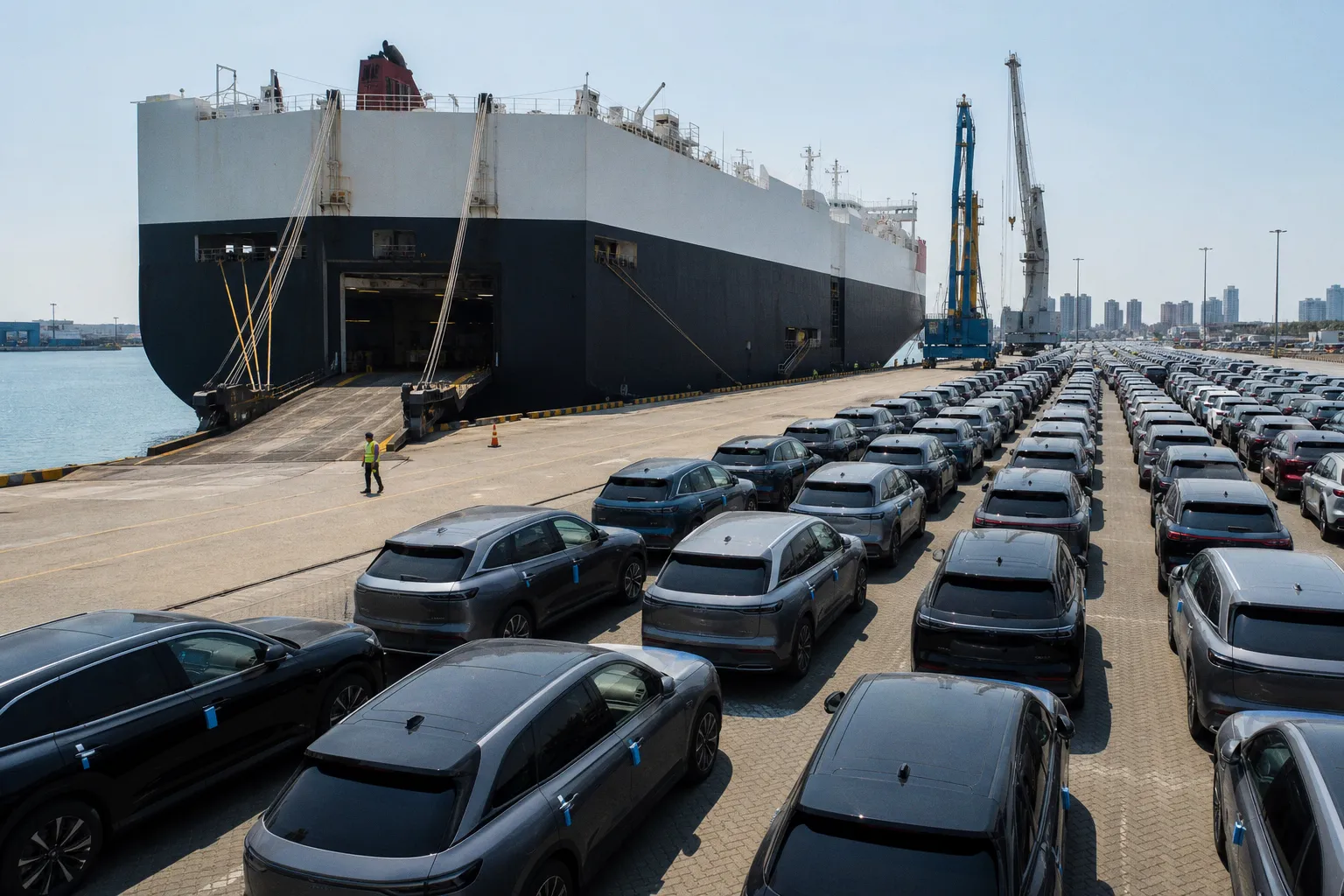 China’s passenger car exports are up 80% in June as EV demand grows, while sales drop at home
 Automotive Industry News, Self-Driving Cars And EV Stocks To Watch
 Global EV demand rises 7% in June as Europe offsets weakness in China and US