EV Market Stabilizes in Q2, as New Entries Help Slow Sharp Sales Decline
If you've been cross-shopping EVs and hybrids over the past year, you know the floor has been moving under your feet.
The Q2 Picture, Without the Marketing Spin
A few things jumped out at me when I dug into the data. Tesla is still the elephant in every showroom, but it's a thinner elephant: brand sales were off more than 10% in the first half of the year, and the company's grip on roughly half of all U.S. EV volume is now held up almost entirely by the Model Y and Model 3. Chevrolet sits a distant second, with Hyundai and Cadillac rounding out the usual suspects. The real surprise? Toyota and Subaru both doubled their EV sales year over year, and Toyota has quietly climbed into the top five EV sellers in America. That matters when you're thinking resale.
EVs accounted for about 5.8% of all new-vehicle sales in Q2, basically flat with Q1 and well below the 10.6% peak we hit in Q3 2025, when buyers were racing the clock on federal incentives. Cox frames the moment as "stabilization" after a sharp correction, and the data backs that up. Globally, the picture is even rosier: Benchmark Mineral Intelligence logged 2 million EV sales in June alone, up 7% year over year, with Europe surging 31% on the month thanks to stricter emissions rules, government incentives, and the pain at the pump.
What This Means At The Dealership
Here's where I want to be real with you, because the macro story is only useful if it changes what happens when you walk into a showroom or click "Build & Price."
The tax credit clock is still ticking. Cox's report reminds us the federal EV tax credit is set to expire later this year, and several domestic automakers have already slowed their electrification plans. That means the "wait and see" strategy gets more expensive the longer you run it. If a clean EV was already on your shortlist, the next two quarters are probably your best window for the strongest incentive stack, especially with state-level programs still layering on top.
The competition is showing up where you shop. Globally, Volkswagen Group is rolling out a new generation of affordable compact EVs (the ID.Polo, Cupra Raval, and Skoda Epiq) built on dedicated platforms in Spain, designed to make small EVs profitable for the first time. That pressure eventually lands in the U.S. market, and it should show up as better-equipped base trims and more aggressive lease math on compact crossovers over the next year. Renault, meanwhile, is dominating France with roughly 20% of the EV market and four of the top five models, including the new Twingo EV, proof that the small-car EV segment works when the out-the-door price lands in commuter territory.
Resale is shifting. Toyota and Subaru's doubled volume is a signal that resale value on those nameplates is going to firm up, simply because there will be a deeper used market and stronger brand recognition at trade-in. Meanwhile, General Motors and Ford BEV sales are falling faster than the overall U.S. market, which is worth a moment of pause if you're eyeing a used Bolt, Mustang Mach-E, or Lyriq, the depreciation curve has been steeper than the segment average.
What I'd Watch Before You Sign
If I were planning a purchase right now, I'd be tracking three things over the next sixty days. First, lease residuals on the outgoing federal-credit window, those numbers are going to be the cleanest signal of where the floor is. Second, any movement on state-level rebates, because some of those programs are quietly expanding as the federal program winds down. Third, the Lotus Eletre, which just started shipping Chinese-built units to Canada under a tariff quota that allows up to 49,000 Chinese-made EVs in at reduced rates. If that channel widens, the price conversation in North America changes in a hurry, and your shortlist probably should too.
The market isn't roaring back, but it's no longer free-falling. For the first time in a while, you can shop like a buyer with leverage instead of a buyer bracing for impact.
More from the feed
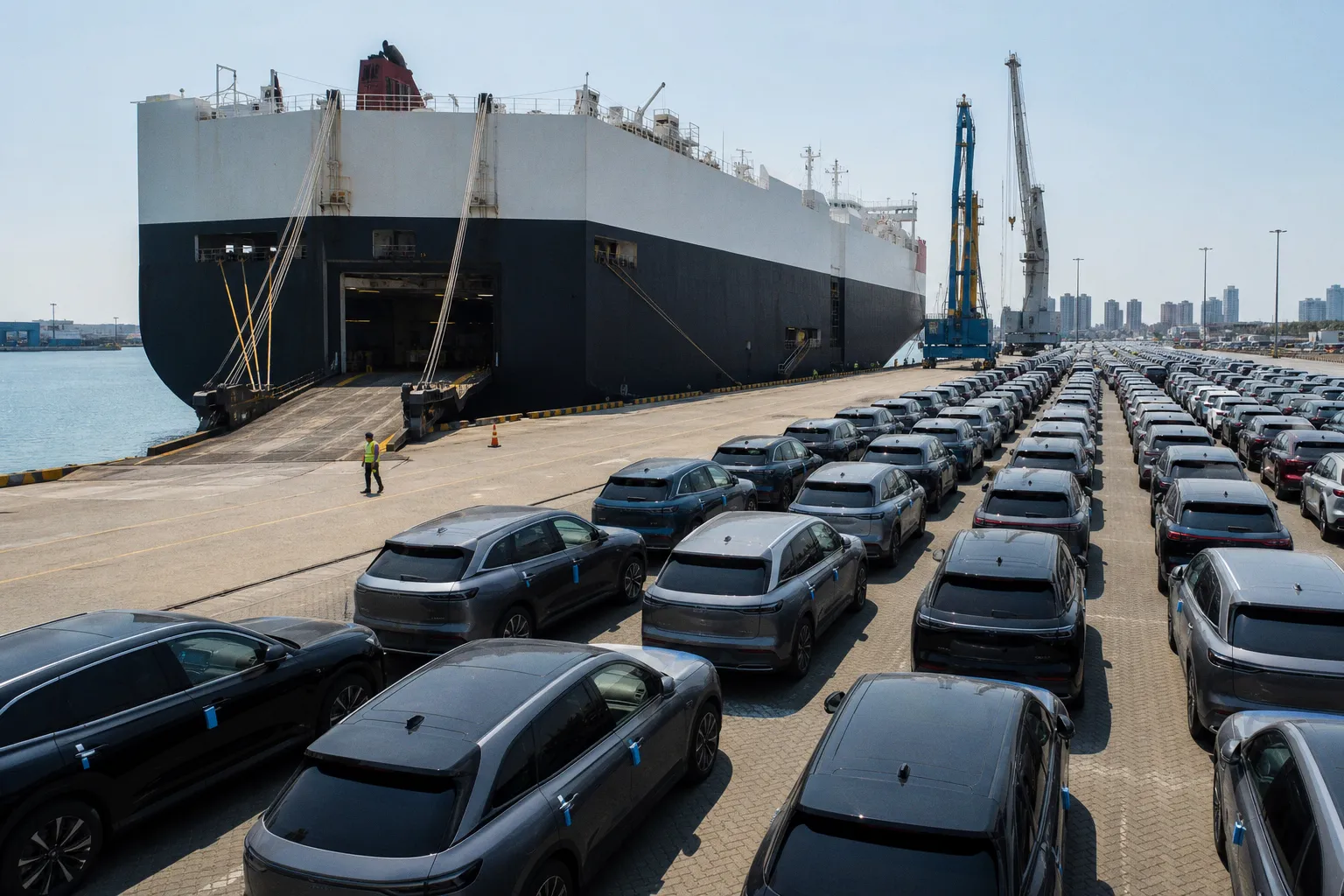 China’s passenger car exports are up 80% in June as EV demand grows, while sales drop at home
 Automotive Industry News, Self-Driving Cars And EV Stocks To Watch
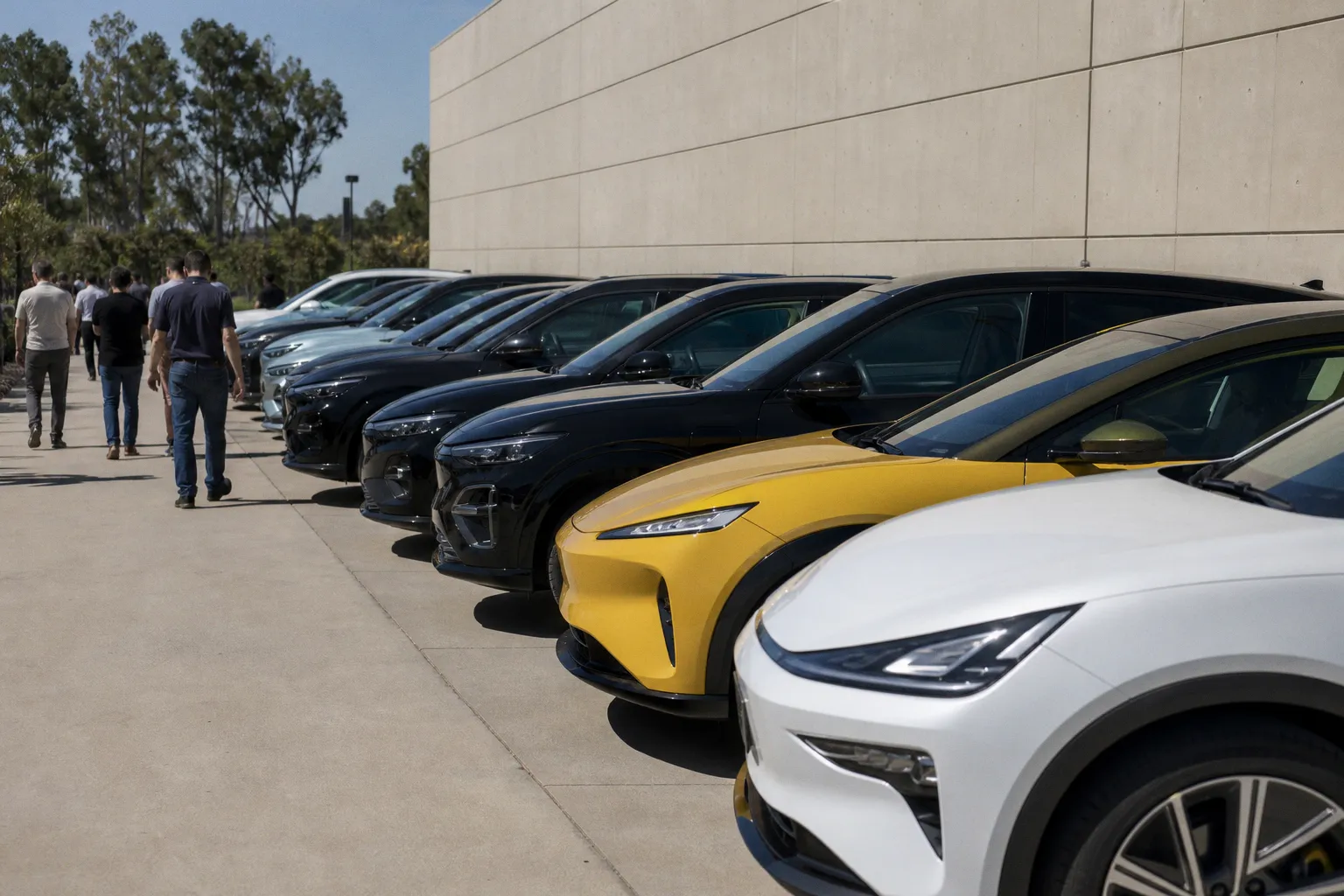 Global EV demand rises 7% in June as Europe offsets weakness in China and US
 Thailand locks in $4.1 billion in EV supply chain investment as auto sector pivots