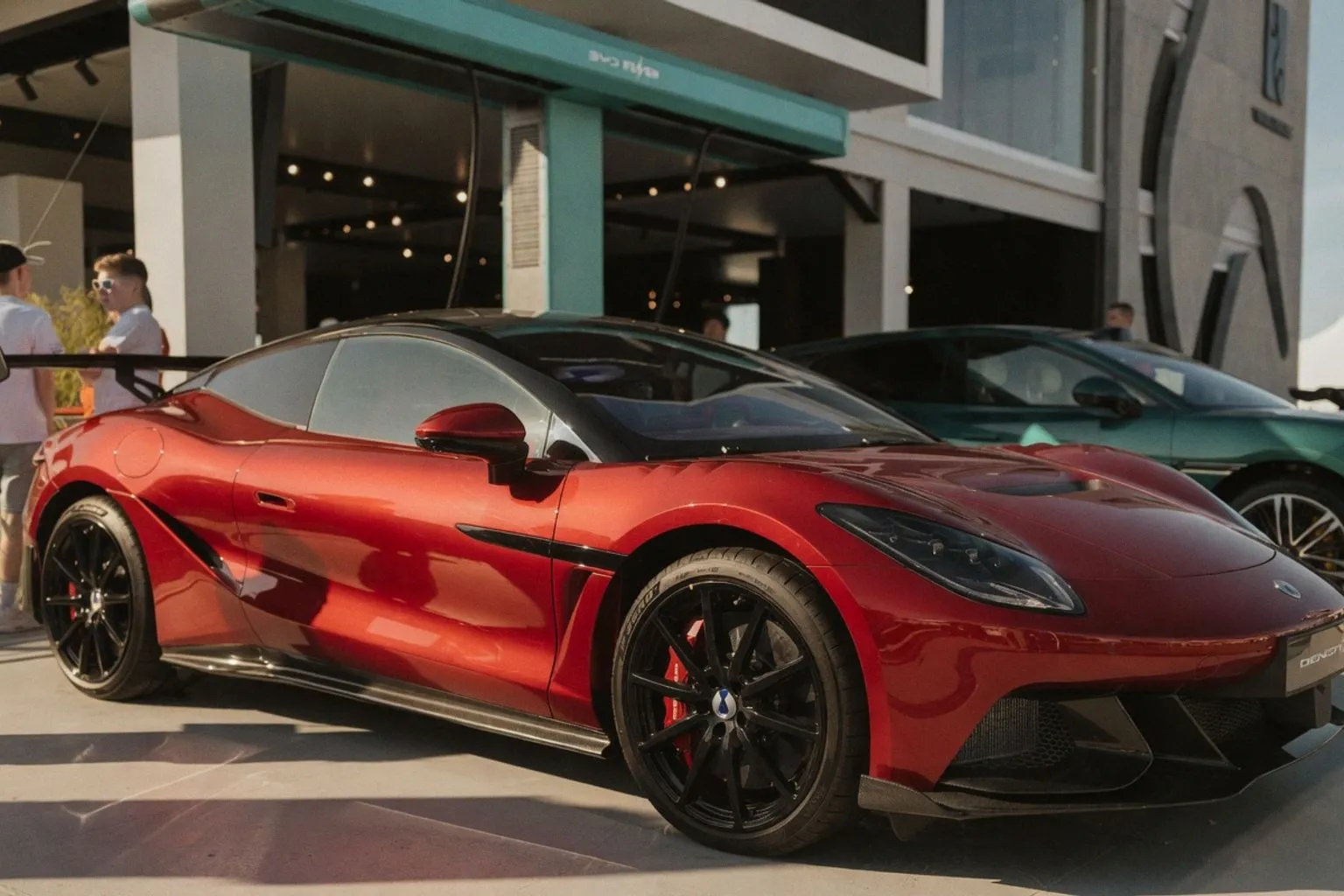
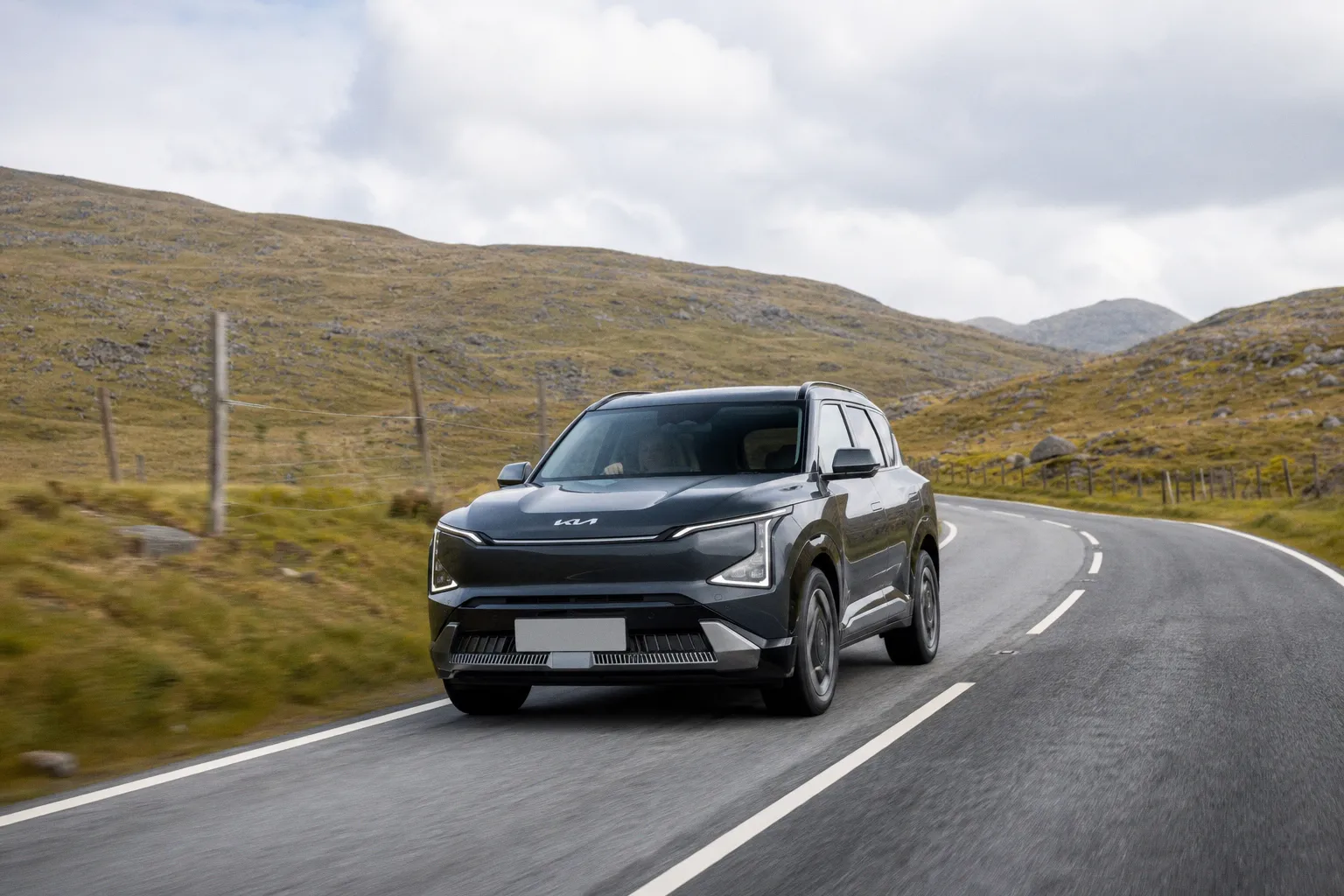
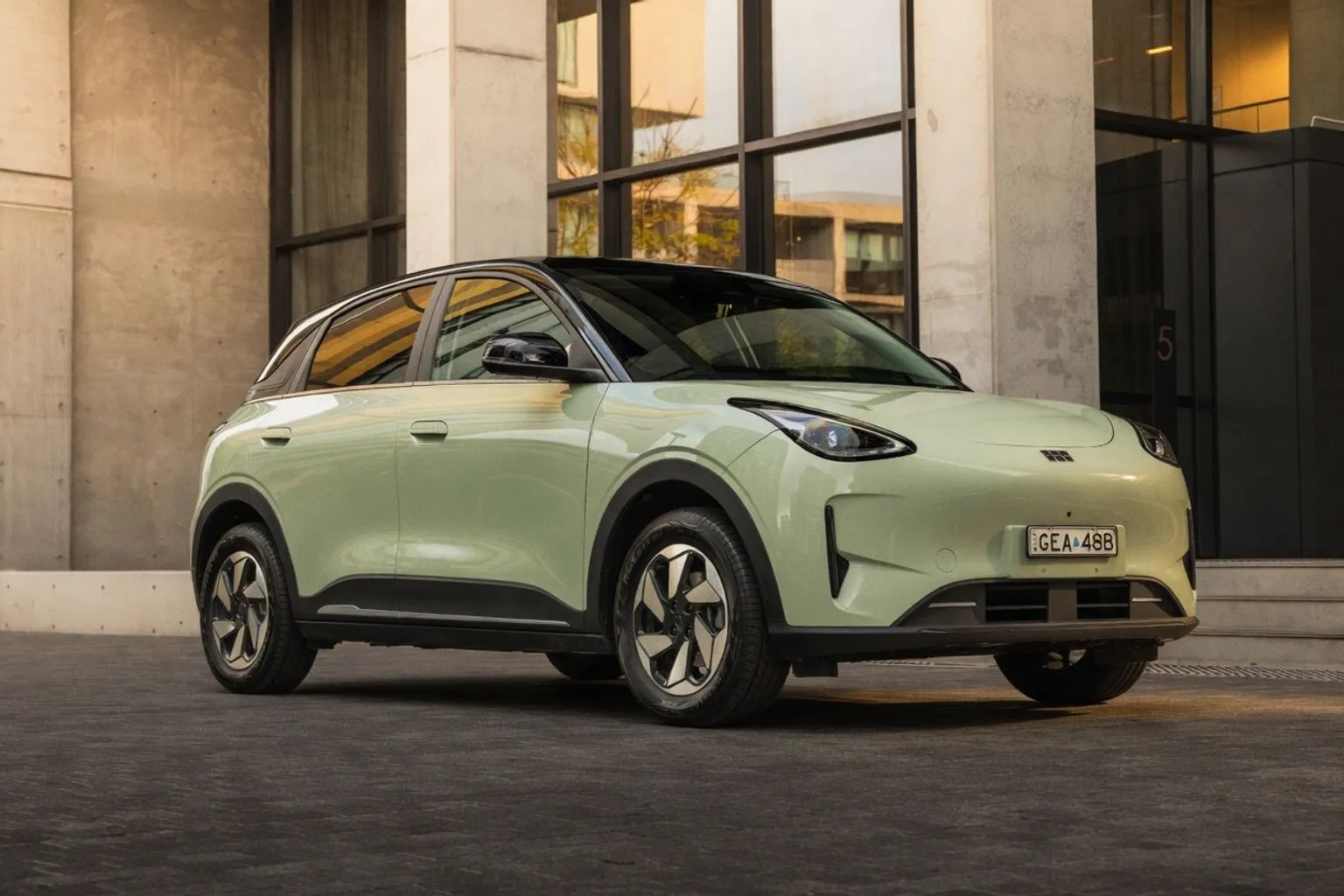
Chinese EV makers are outpacing U.S. automakers in overseas investments
If you’re shopping for an EV and trying to guess which brands will still be easy to buy, service, and finance a few years from now, this is one of those industry signals worth watching. CNBC reports that Chinese EV makers are outpacing U.S.
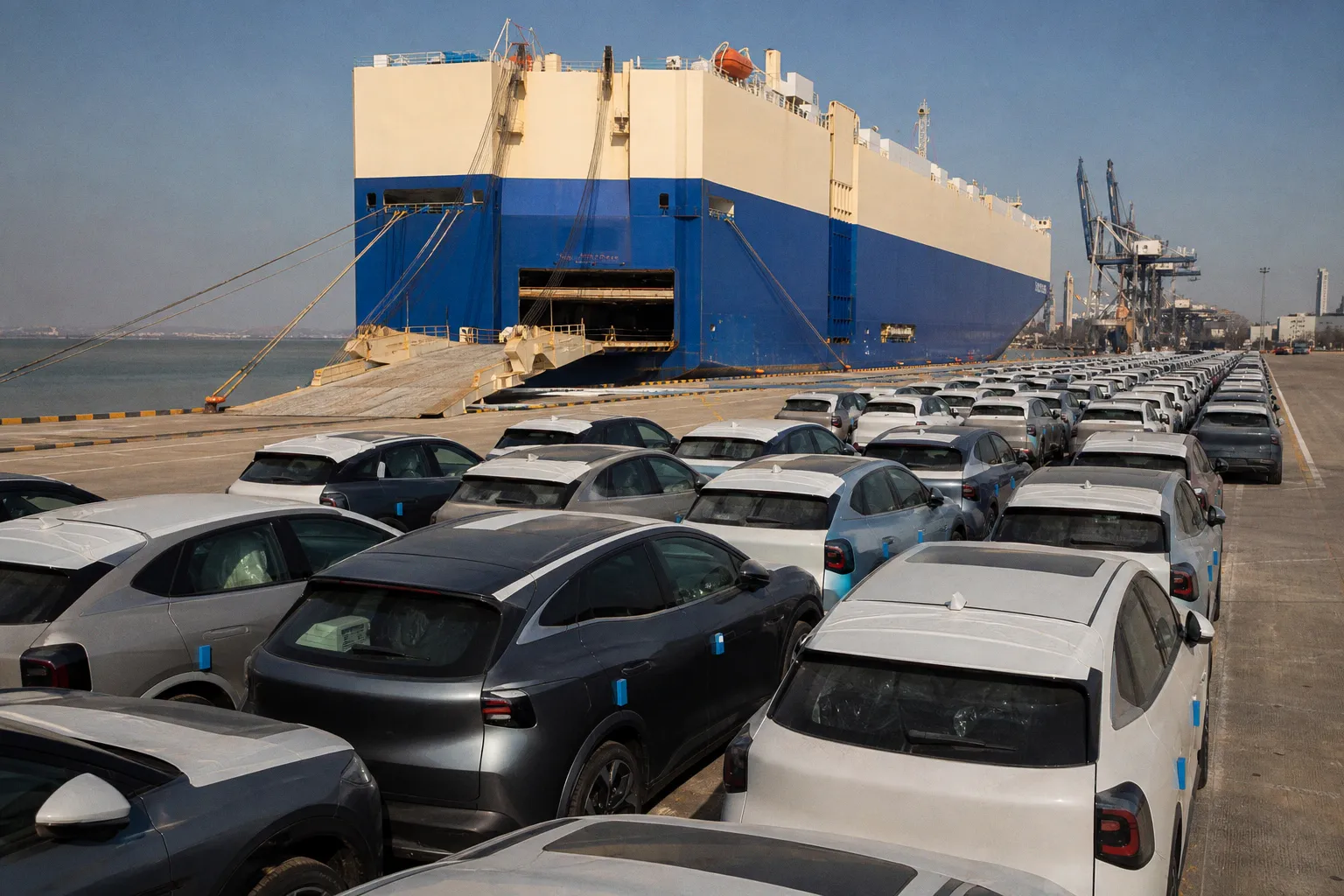
Overseas spending is not just a boardroom story
For buyers, “overseas investment” can sound abstract, but it often shows up in very practical ways: more local presence, more model availability, and potentially more pressure on established brands to sharpen pricing or equipment levels. The key point from CNBC’s report is the direction of travel: Chinese EV makers are moving faster than U.S. automakers on investments outside their home market.
That does not mean every Chinese EV brand will become a safe buy everywhere, and it does not mean shoppers should chase the newest nameplate just because it looks like a bargain. I’d treat this as a reason to be more disciplined, not more impulsive.
Before getting excited about a lower monthly payment, I’d check:
- whether the brand has a credible service setup where you live;
- what warranty support actually looks like after the sale;
- how easy it is to get basic repairs, body parts, and software fixes;
- whether local incentives apply, or whether there are tax rebate hurdles that change the real deal;
- how financing compares with mainstream brands, especially if you are using a trade-in or shopping across borders.
That last point matters because the EV decision is increasingly a money-management decision, not just a charging decision. If you’re comparing loans, subscriptions, accounts, or payment tools alongside the car purchase, a solid overview of digital banking and fintech options can be useful before you sign anything that changes your monthly cash flow.
Battery claims are moving quickly, but buyers should wait for proof
One related signal comes from Dongfeng Motor. According to Battery-News, the Chinese automaker announced plans to deliver 50,000 vehicles equipped with its own solid-state battery technology by 2027, with 100 demonstration vehicles planned by the end of 2026.
That is notable, but I would not turn it into a buying recommendation yet. Demonstration vehicles are not the same thing as thousands of family cars doing school runs, highway commutes, winter charging stops, and grocery runs for years. For shoppers, the useful takeaway is simpler: battery development is becoming part of the competitive pressure behind these overseas pushes.
If you’re buying soon, don’t pay extra for a promise you can’t use today. Prioritize the boring things that make ownership work:
- real-world range in your climate;
- charging speed on the routes you actually drive;
- warranty language you can understand;
- local service access;
- total out-the-door price after grants, fees, and financing.
Solid-state battery plans may become important, but right now the practical buyer’s question is still: can this EV reliably do my week without turning every errand into a charging plan?
Incentives and local rules still decide the real winner
Business Motoring reports that the UK Government’s Electric Car Grant has supported more than 140,000 drivers in its first year, offering up to £3,750 off a new EV, with 58 models now eligible. That is a reminder that brand strategy alone does not decide affordability. Policy can change the final price dramatically.
There’s also a more unusual example in the news cycle: a Chinese company is reportedly combining classic 1950s American cars with BYD EVs to create unconventional vehicles that meet China’s strict laws. For everyday shoppers, that is less a buying lead than a sign of how aggressively companies are adapting EV hardware to local regulations and tastes.
My practical read: don’t assume the global EV race will look the same in every driveway. Chinese automakers may be investing faster overseas, but your best buy still depends on the local math — incentives, service, charging, financing, and resale confidence. If a newer entrant can clear those hurdles, it deserves a serious look. If it can’t, a cheaper sticker price may not be the bargain it first appears to be.