European EV Sales Jump 51% as New Incentives Drive Market Growth
According to Bloomberg, European car registrations rose 13% in June, with battery-electric registrations jumping 51% as new incentives in France and Germany helped move buyers from browsing to signing.
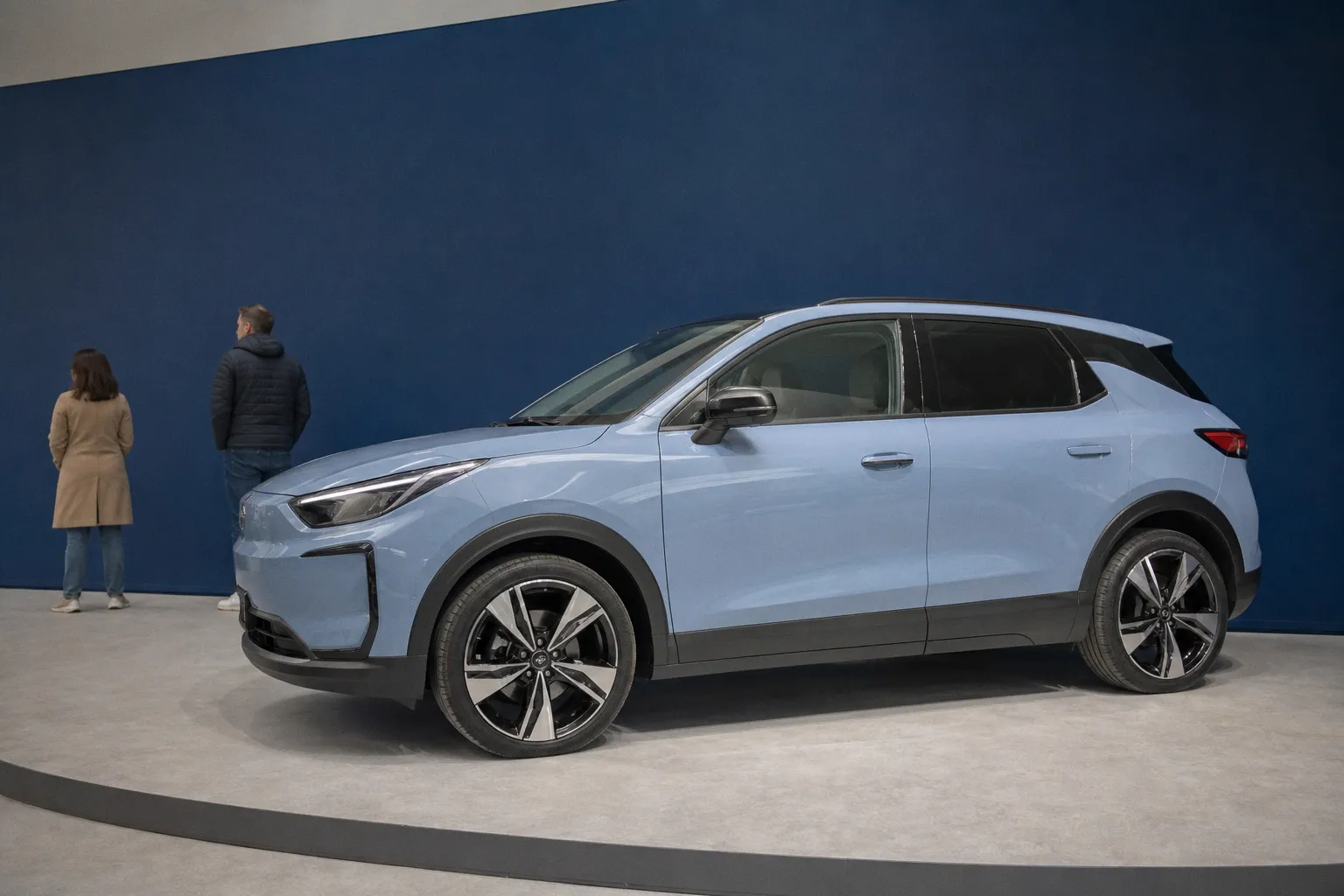
That is an encouraging demand signal, but it is not a reason to rush through an EV purchase: incentives can change the out-the-door price dramatically, while the car, charging plan, and running costs still have to work for your actual week.
A bigger EV month—not a universal bargain
Car Sales Statistics puts June battery-electric registrations across the EU, EFTA countries, and the UK at 360,843 vehicles, a 51% increase year over year. BEVs represented 25.6% of Europe’s new-car market that month; within the EU, battery-electric sales rose 60.7% to 270,557.
For the first half of 2026, the same dataset counts 1,608,200 battery-electric cars registered across Europe, up 35.1%. Germany, Britain, and France remained the largest markets, while France’s growth was faster. Italy’s EV sales also rose sharply, though BEVs still accounted for less than 10% of its market; Spain was similarly below a one-in-ten EV share.
Those are meaningful numbers for shoppers because rising registrations usually bring more inventory, more choice, and more competition for attention. But a market-wide surge does not tell you whether the particular crossover, hatchback, or family-sized EV on your list is priced fairly.
Incentives deserve line-by-line scrutiny
Bloomberg attributes June’s surge in part to new incentives in France and Germany. That is exactly where buyers should slow down. An advertised payment or headline discount is not the same as the final price after eligibility rules, financing terms, trade-in value, and any dealer-installed extras.
Before putting down a deposit, I would ask for:
- the full out-the-door price, not just a monthly-payment quote;
- the incentive amount shown separately from the vehicle discount;
- confirmation of which requirements apply to you and when the benefit is applied;
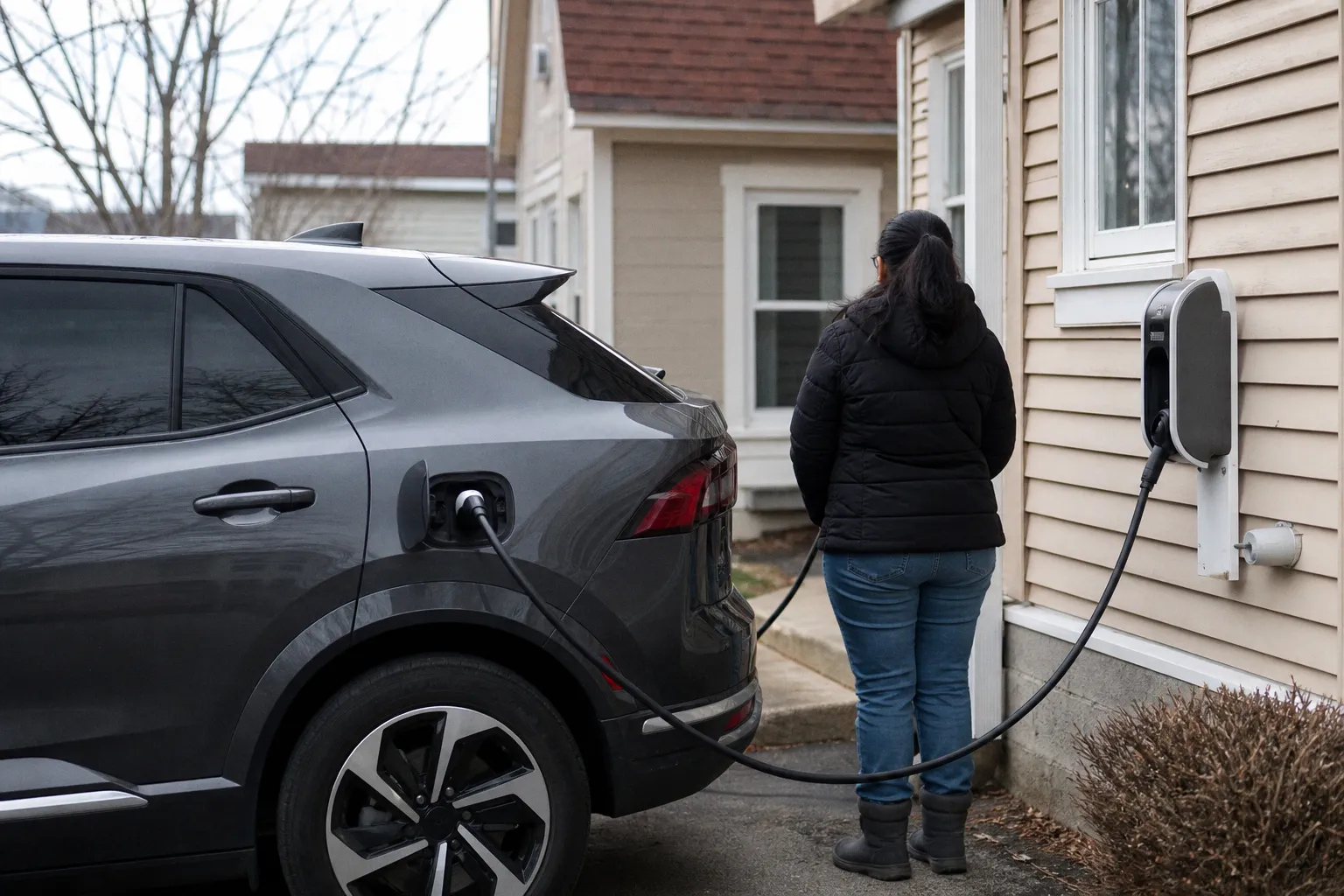
- a charging-cost estimate based on where you will actually plug in—at home, at work, or during the grocery run.
The most useful EV is still the one that fits your budget after the tax-rebate hurdles and does not turn ordinary charging into a second job.
More choice is coming, but wait for the right fit
The European market is also getting more lower-priced battery-electric options, with the Volkswagen Group expected to enter the lower end of the market later in the year, according to Car Sales Statistics. That may be a reason to compare rather than commit—especially for buyers who do not need a new car immediately.
Fuel-price increases linked in the source to the conflict in Iran have also driven more EV searches. That reaction is understandable, but it is worth separating fuel-cost anxiety from a buying decision that has to last for years. Markets can gather pace quickly, much like digital art sales, but a vehicle purchase needs a calmer checklist.
My recommendation: use this sales jump as leverage, not pressure. Get competing written quotes, verify every incentive before counting it, and choose the EV that makes charging and daily errands easier—not merely the one benefiting from June’s momentum.