Geely and Ford Partner to Build Electric SUVs for the European Market
According to Reuters, Geely is set to make electric SUVs at Ford’s plant in Spain and jointly develop a model for Europe.
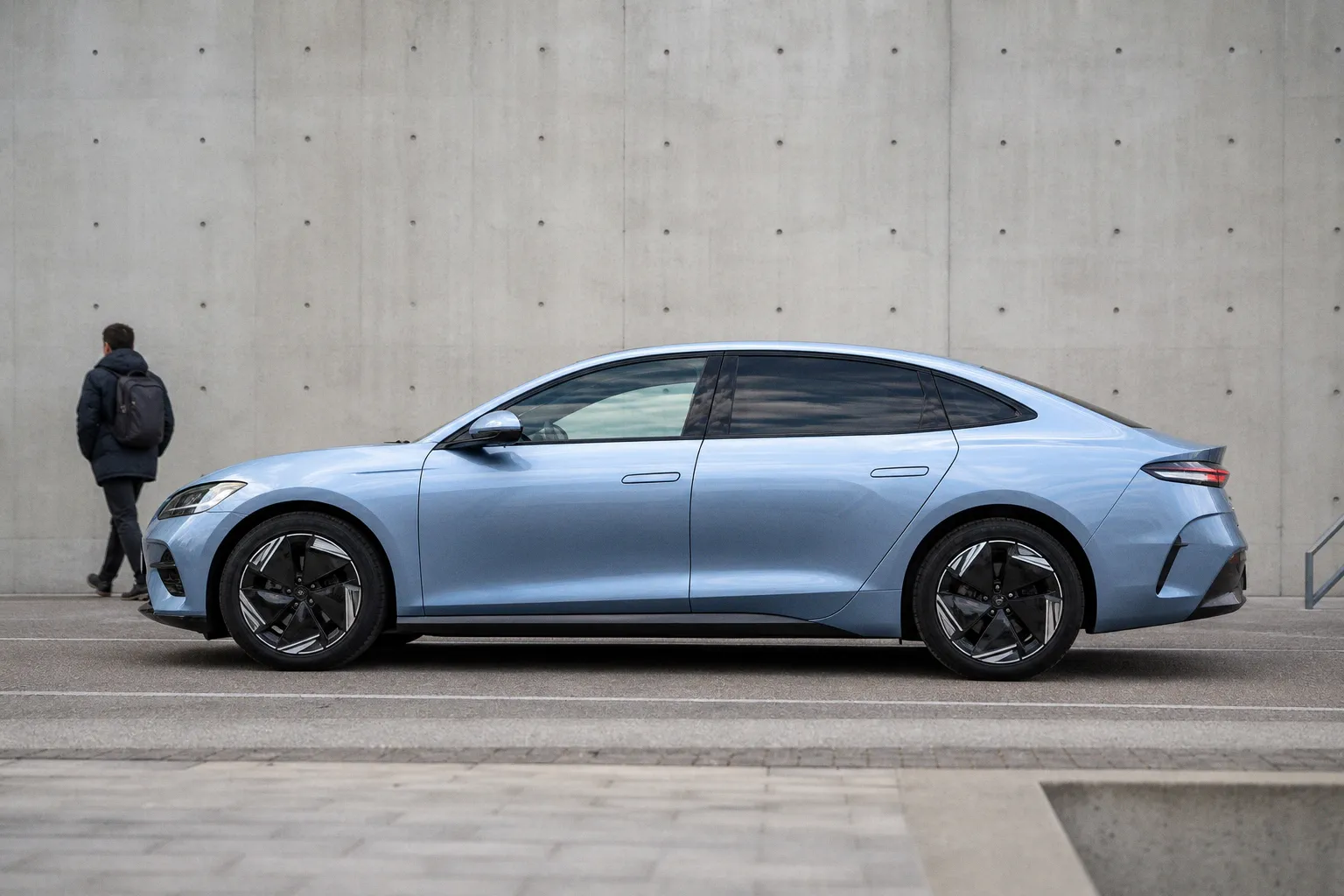
For shoppers, this is not a reason to delay a grocery-run-ready EV purchase today—but it is a useful reminder that the next wave of European-market EVs may be shaped as much by manufacturing partnerships as by the badge on the hood. The important part is what eventually reaches dealerships: the out-the-door price, the warranty paperwork, and whether the car fits your charging routine.
A European EV plan, with key details still missing
The reported arrangement combines two distinct moves: production of Geely electric SUVs at Ford’s Spanish facility, and joint development of a Europe-focused model. That is meaningful because a vehicle designed and built around the European market can potentially arrive as a more direct alternative to existing choices rather than as a lightly adapted import.
But buyers should keep their checkbooks closed for now. Reuters’ report, as reflected in the available information, does not establish the vehicle’s name, launch timing, specifications, pricing, range, charging hardware, trim structure, or retail-market plans. Those are not fine print. They are the difference between an interesting factory announcement and an EV you can sensibly compare against the cars already on your shortlist.
Don’t buy the partnership—buy the ownership package
I see this trap often: a promising joint venture appears, and suddenly an unreleased model becomes the imagined answer to every compromise in a buyer’s budget. Until there is a finished vehicle with clear terms, treat this as industry news, not a shopping recommendation.
When Geely and Ford share more concrete details, I’d want buyers to look past the headline and ask:
- What is the actual out-the-door price? A competitive starting figure can disappear quickly once the practical battery, charging, and comfort equipment are added.
- What charging setup does it support? A family car that handles daily errands comfortably but complicates longer trips is still a poor fit for many households.
- Who stands behind service and repairs? Production in Spain and a European development project do not, by themselves, answer the dealership, parts, warranty, or repair question.
- Is it truly the model you need? “SUV” covers everything from a tidy urban runabout to a vehicle expected to carry kids, luggage, and weekend gear.
That last point matters more than the press-release excitement. A new badge or a cross-company project cannot fix an EV that is too expensive, too large for your parking situation, or mismatched to the charger you actually use.
What to watch before changing your shortlist
This report lands while the EV market is clearly under pressure to move faster. Electrek reports that Toyota is tying its next-generation Corolla EV to a dedicated platform, while other coverage has focused on Chinese EV competition and Europe’s growing role for plug-in hybrids. For consumers, that means more announcements—and potentially more noise—rather than an automatic bargain at the dealership.
The broader market mood may be optimistic, as tech-earnings optimism lifts major U.S. futures, but an EV purchase should remain a household calculation, not a stock-market bet. A future Geely-Ford model could become worth considering if its price, charging performance, service support, and real-world usefulness line up. Until those basics are published, my recommendation is simple: keep comparing vehicles you can test-drive, insure, charge, and take home now.