Why Discontinued Electric Vehicles Require a Different Buying Strategy
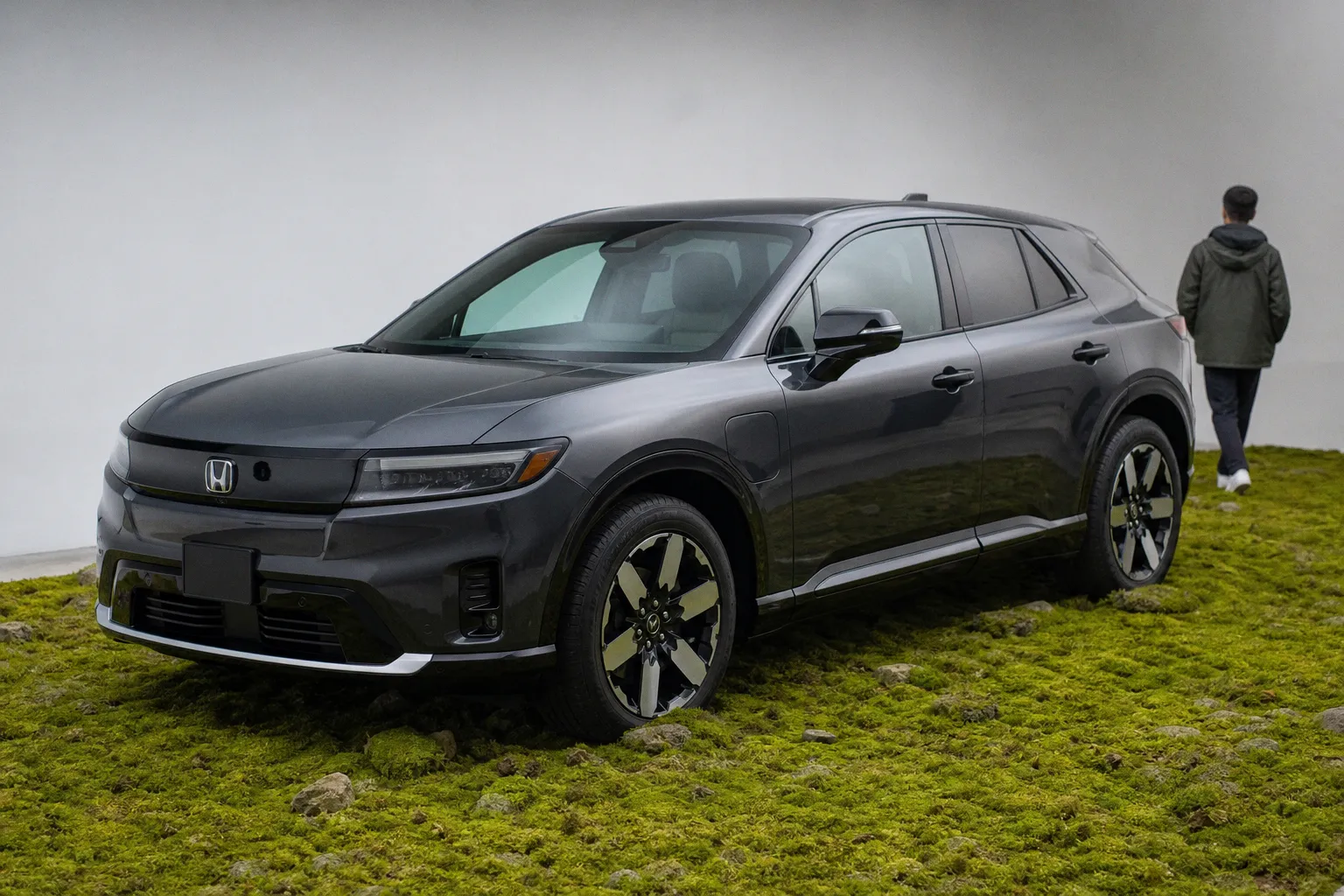
According to Business Insider, America’s list of discontinued electric vehicles is growing, and Automotive News reports that Honda has confirmed plans to axe the electric Prologue.
For a shopper, this is less a reason to panic than a reminder that the out-the-door price is only the start of the ownership decision: a vehicle’s place in its maker’s future matters when you’re planning years of service, repairs, and resale.
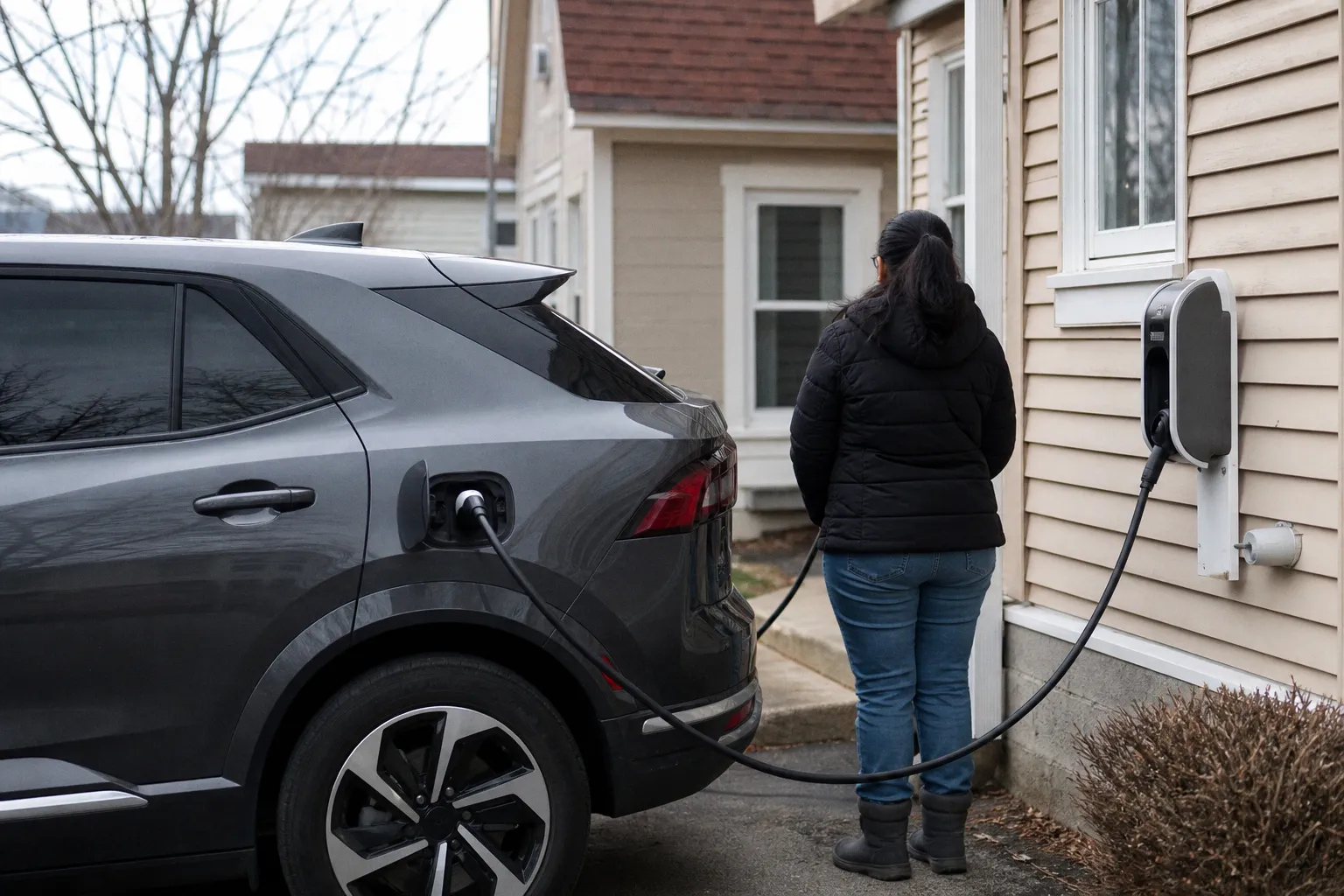
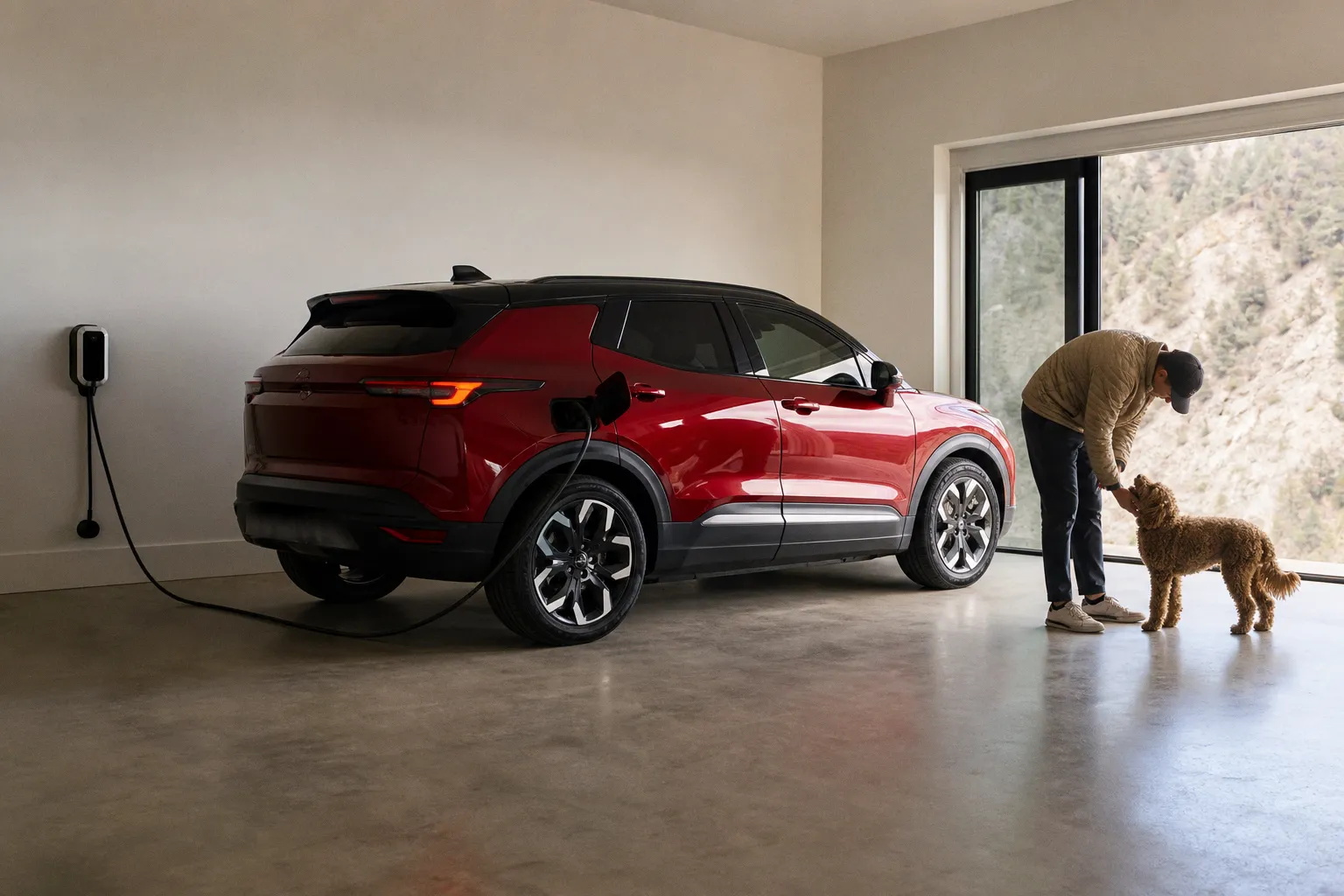
The more useful takeaway is to separate a good deal from a rushed deal. A discontinued EV can still be the right car for school drop-offs, the grocery run, and a predictable home-charging routine—but only if the savings reflect the extra uncertainty you’re accepting.
A cancellation changes the buying checklist
The Prologue news should make prospective buyers slow down before treating dealer inventory as a bargain by default. “Last chance” language can be persuasive, especially when an EV already seems to fit the family budget, but the practical questions come afterward.
Before signing, I’d ask the dealer to give clear, vehicle-specific answers on:
- remaining warranty coverage and exactly who will handle service;
- availability expectations for routine repair parts;
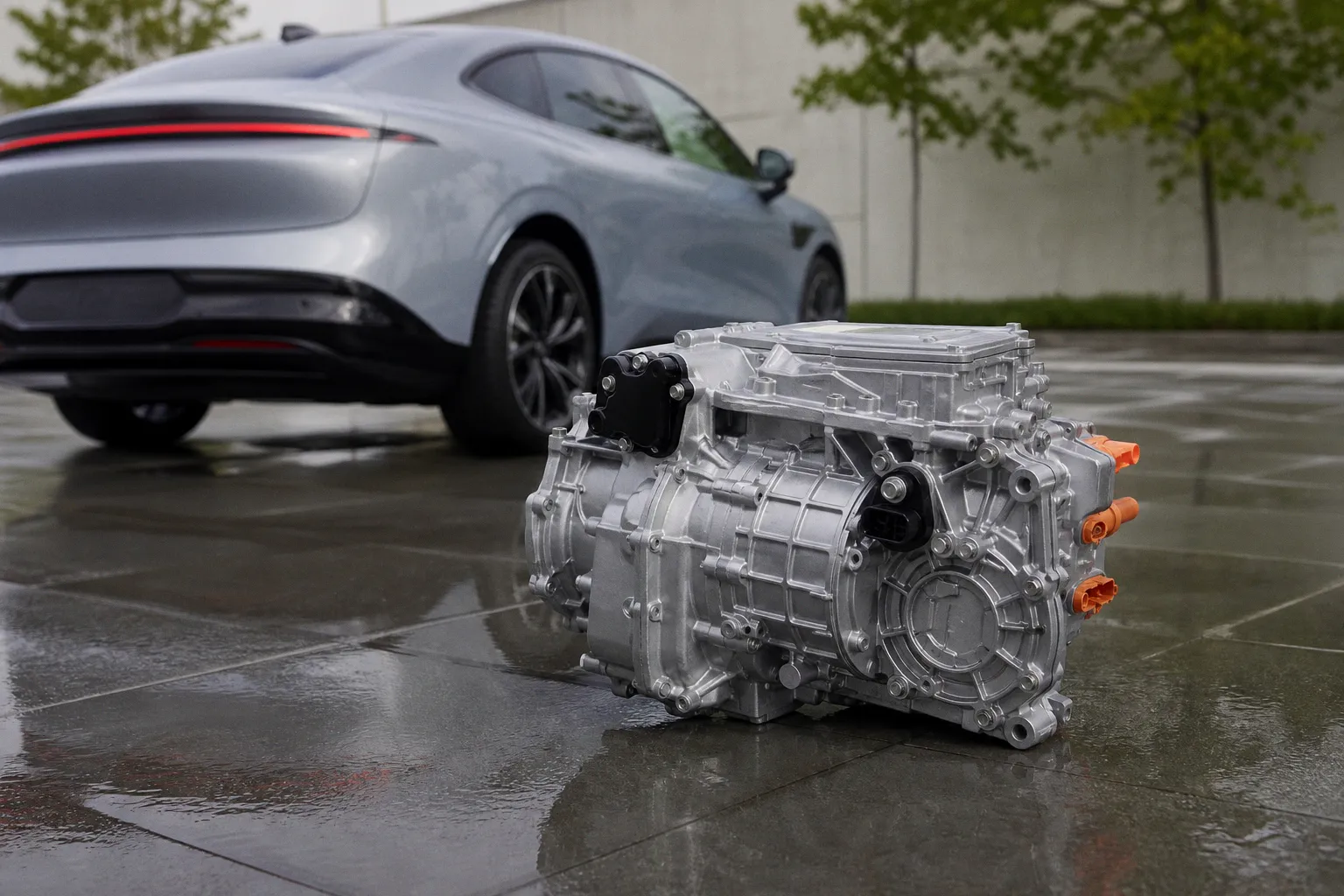
- the process for software updates and connected-car features;
- the final out-the-door price, not just a monthly-payment pitch;
- how any tax rebate hurdles affect the actual transaction.
None of those questions means a discontinued model is automatically a bad buy. They simply matter more when the manufacturer has moved on. The right discount is not a token reduction on the window sticker; it should leave room in your budget for the possibility that ownership may require more patience later.
Toyota’s Corolla EV points the other way
At the same time, Electrek reports that Toyota has confirmed a fully electric version of the next-generation Corolla. It is set to use an all-new platform capable of supporting multiple powertrains, so Toyota is not presenting this as an EV-only bet.
That distinction is worth watching. For mainstream buyers, a familiar nameplate entering the EV conversation could eventually make the choice feel less like buying into an experiment and more like choosing the right version of a car type they already understand. But “next-generation” is not a reason to postpone a needed purchase indefinitely. There are still no confirmed ownership details here on price, range, charging speed, or timing.
If your current car is expensive to keep running, buy the EV that works for your daily life now—not the promise that best fits a future brochure.
My practical verdict: don’t buy the headline
This is a market that rewards calm comparison. A vehicle being axed may create a legitimate value opportunity, while a newly confirmed model may be worth monitoring rather than waiting for. Put the everyday math first: charging access, insurance, the total purchase figure, and whether the car fits the trips you actually make.
And keep the household budget honest. Big purchases have a way of bunching together; if you’re also replacing home tech, use the same disciplined approach you would when comparing Samsung TVs worth buying: ignore the sales noise, focus on what you will use, and don’t pay for a feature story that may not improve your day.
For the Prologue, I’d only move ahead with a clearly documented ownership plan and a price that genuinely compensates for its changed status. For Toyota’s Corolla EV, I’d watch for the details—but I would not let an unpriced future model derail a sound purchase today.