Honda Ends Prologue EV Production After 2026: What Buyers Need to Know
As someone who's spent real seat time in the Prologue and pointed readers toward it as a sensible entry point into electric ownership, hearing from Kelley Blue Book that Honda will end production and U.S.
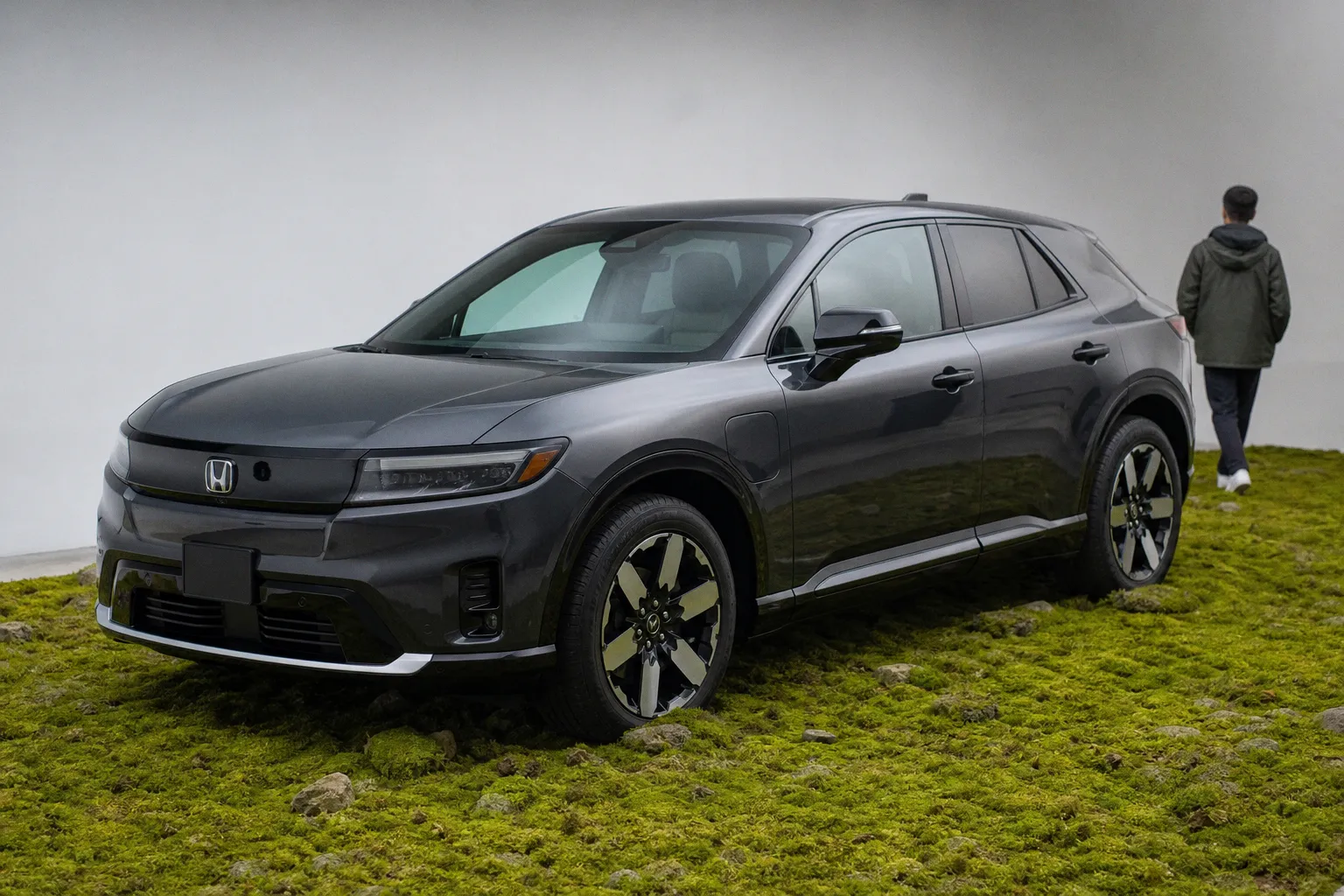
sales of the Prologue after the 2026 model year stings. Honda is walking away from the American battery-electric market with no confirmed successor on deck — and if you've been doing your homework on this SUV, that changes the conversation in practical ways worth unpacking.
If You're Eyeing a Prologue Right Now
A discontinued model is a different kind of purchase decision. On one hand, you may see increasingly attractive pricing as Honda and dealers work through remaining 2026 inventory, which is genuinely good news for your out-the-door cost. On the other hand, a vehicle without an ongoing production run almost always depreciates faster than its competitors that are still rolling off the line. Whether you're financing, leasing, or paying cash, that resale trajectory matters — especially if you like to trade in every three to four years.
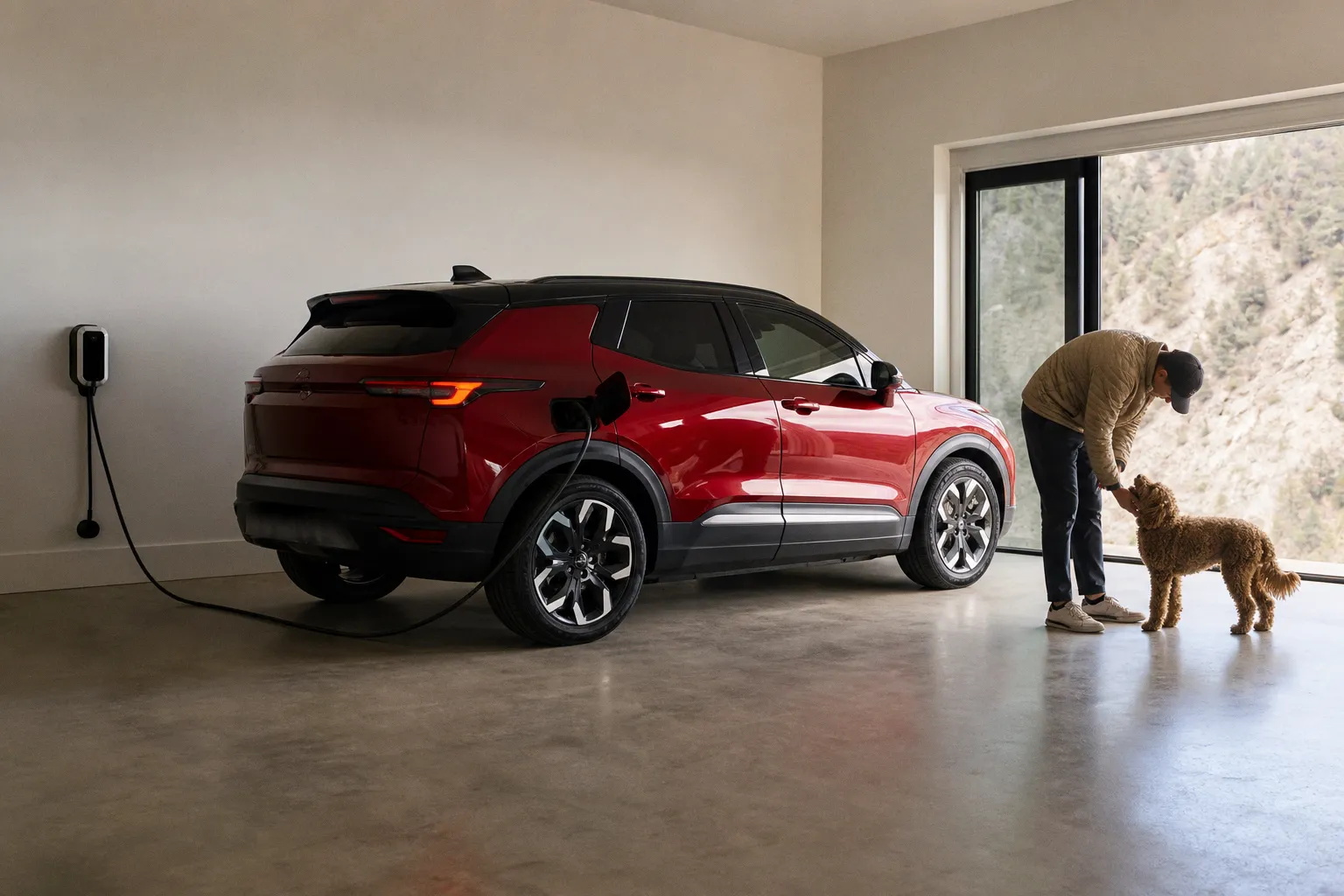
I'd also encourage you to drive the alternatives before signing. The Chevrolet Equinox EV, Hyundai Ioniq 5, and Tesla Model Y are all still actively produced, still getting software updates, and still backed by expanding service networks. The Prologue was a solid recommendation when it had momentum behind it; now you need to weigh whether a potential discount offsets the long-term ownership uncertainties.
Service, Parts, and What "End of Production" Actually Means
This is where I'd get specific with your dealer before signing anything. Federal regulations require automakers to support vehicles with parts and service for a minimum period, but "minimum compliance" and "robust long-term support" are two very different promises. Ask your Honda dealer directly: How long will Prologue-specific components stay in stock? What's the plan for software updates and battery management system maintenance?
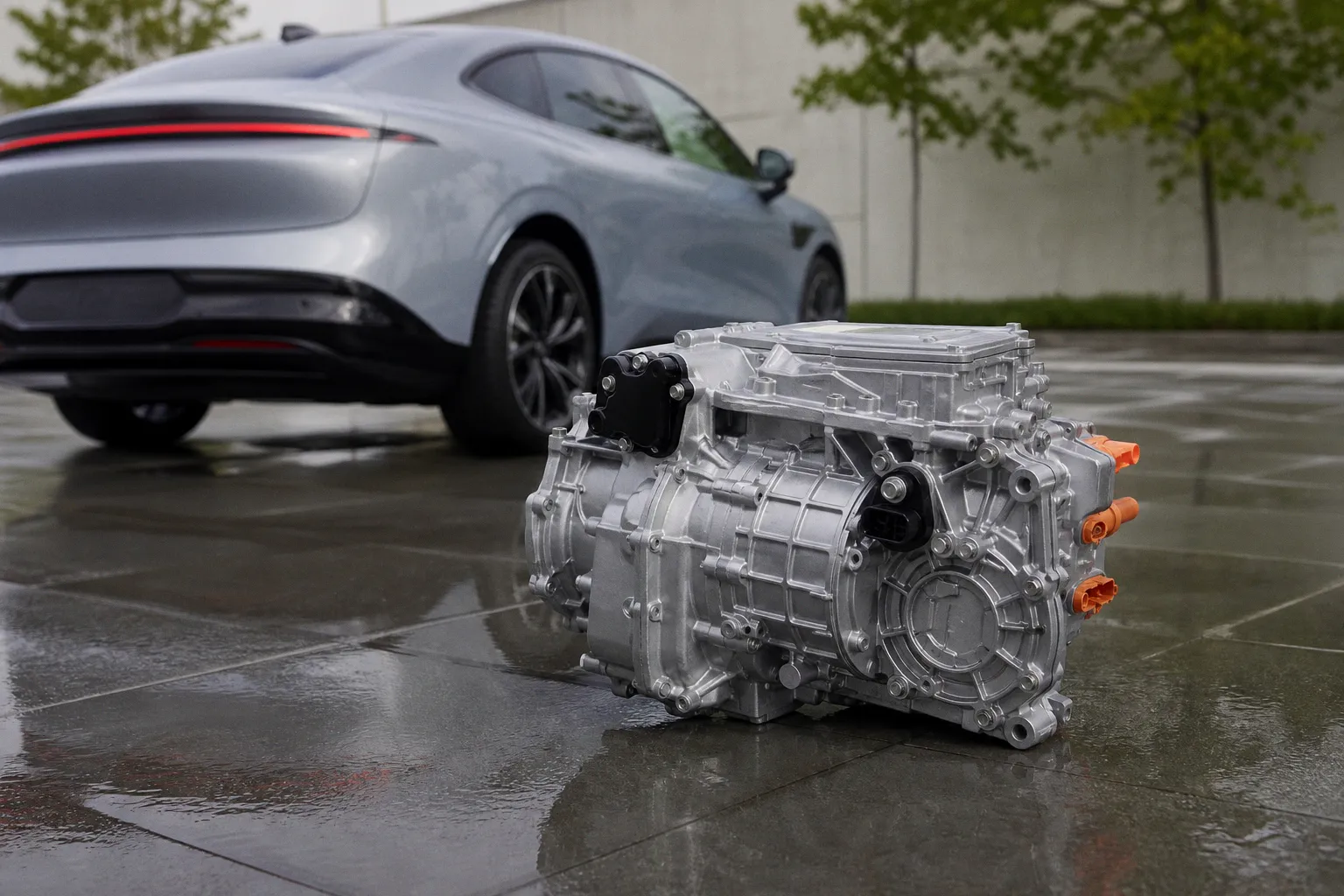
The Prologue shares its underlying Ultium platform with several GM EVs, which provides a layer of parts-commonality reassurance. But Honda-specific body panels, trim pieces, and any proprietary software layers are the real unknowns. If you're the type who keeps a vehicle for seven to ten years — the sweet spot where EV ownership economics really shine over gas equivalents — this discontinuation deserves a frank, pressure-free conversation at the service desk before you commit to a monthly payment.
The Broader Takeaway for EV Shoppers
Honda hasn't announced when or if it plans to return to the U.S. market with another dedicated EV. The company's recent emphasis on hybrids signals a strategic pivot rather than a brief timeout. For current Prologue owners, this isn't a crisis — your warranty is still valid, and the vehicle itself remains competent — but staying plugged into service bulletins and building a relationship with a knowledgeable dealer becomes more important than ever.
For shoppers on the fence, the 2026 Prologue could still make sense at the right price, provided you go in understanding what "last model year" means for depreciation and long-term support. Run the numbers against alternatives that aren't sunsetting, factor in how long you realistically plan to keep it, and don't let a good lease deal blind you to the ownership picture five years down the road. Broader market forces — from battery material pricing to commodity cost volatility — continue reshaping every automaker's EV roadmap, and Honda's exit is one more reminder that today's smart buy requires thinking beyond the sticker.