Why Bidirectional Charging Is Becoming a Standard Feature for 2026 EVs
According to a recent market analysis covered by Electrek, falling battery costs are pushing vehicle-to-home (V2H) technology from a pricey add-on to a standard feature in new 2026 models — and that…
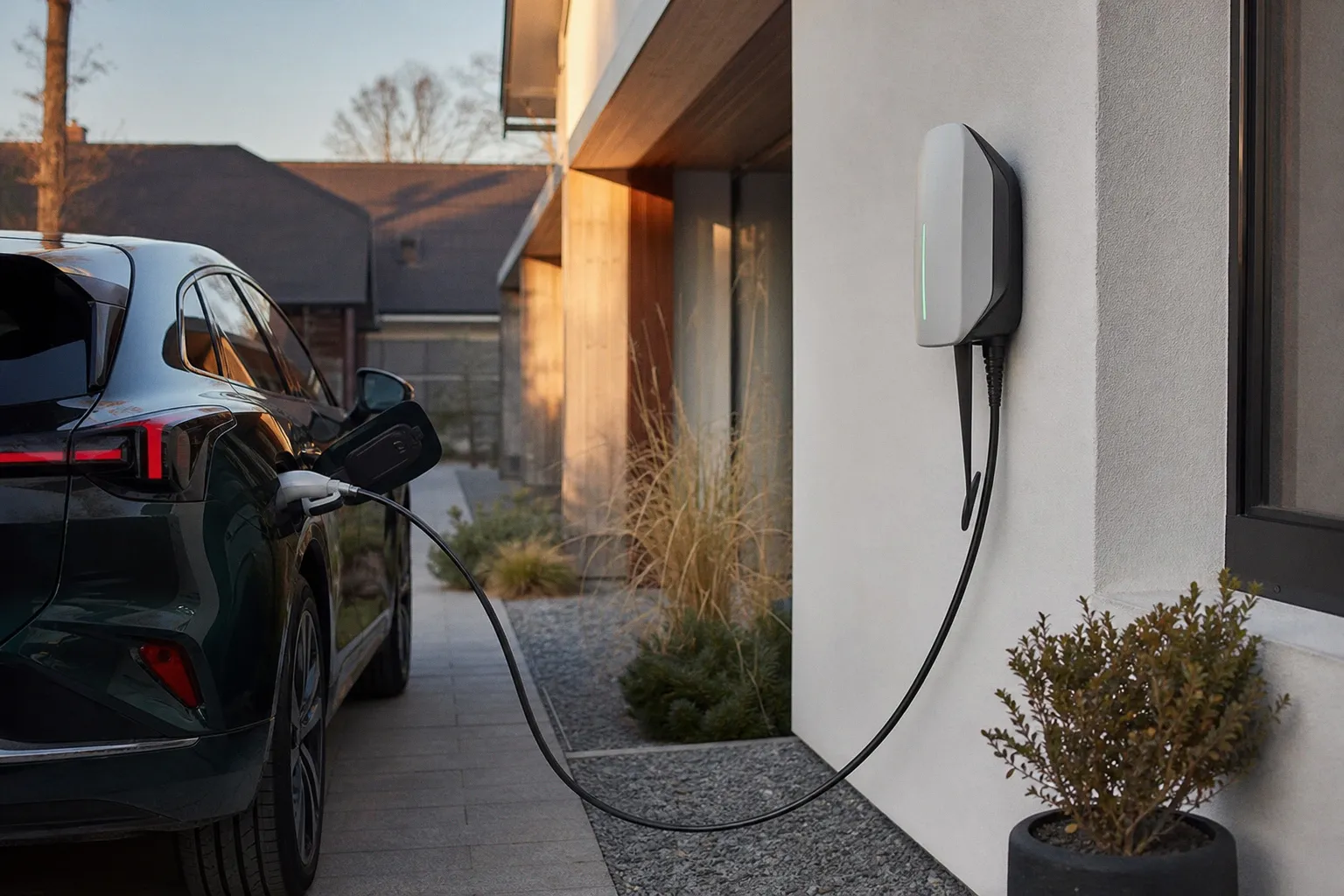
If you've been on the fence about whether to pair your next EV with home solar, the numbers are finally starting to make the decision a lot less agonizing. According to a recent market analysis covered by Electrek, falling battery costs are pushing vehicle-to-home (V2H) technology from a pricey add-on to a standard feature in new 2026 models — and that changes the math on the whole ownership equation. For anyone who's sat at a dealership wondering whether bidirectional charging is worth the upfront hassle, this shift deserves a closer look.
V2H Isn't a Gimmick Anymore — It's a Line Item
Here's what matters at the kitchen-table level: the integration of home solar with bidirectional EV charging is expanding rapidly, and the analysis points to dropping battery costs as the key driver. When V2H comes baked into the vehicle rather than requiring a separate wall unit or aftermarket kit, the out-the-door cost of going solar-plus-EV starts to look a lot less intimidating. You're essentially turning your car into a backup battery for your house — useful during peak-rate hours, valuable during outages, and one fewer thing to install separately.
The practical upside is real. Imagine running your home's essentials off your EV during a summer blackout, or using stored solar energy from your car to shave down a $300 monthly electric bill. That's the kind of everyday utility that makes the technology stick, not just a feature you read about on a spec sheet and forget.
The Broader Market Is Catching Up, Slowly
Zooming out a bit, the data suggests the EV market is gaining ground but not exploding. Mercedes-Benz reported steady growth in battery-electric vehicle deliveries for Q2 2026, with its EQS and EQE SUV continuing to drive sales in North America and Europe. That's encouraging for the luxury segment, but the mass-market picture is more tempered — in Canada, zero-emission vehicle sales jumped 20% in May, yet overall adoption still lingered in single digits.
On the manufacturing side, on-site renewable energy use at vehicle factories has reportedly hit record levels. That's a supply-chain detail most buyers won't track day to day, but it does speak to the broader infrastructure catching up to the promise.
What to Watch Before You Sign
If you're shopping for an EV in the next six months, the V2H trend is worth adding to your checklist — not as a tiebreaker, but as a genuine cost-of-ownership factor. Ask the dealer specifically: Does this model support bidirectional charging out of the box, or does it need extra hardware? What's the warranty impact on the battery if you're cycling it daily as a home energy source? Those questions weren't even worth asking two years ago, and now they could save you hundreds annually.
The bottom line? The sustainable ecosystem around EVs is quietly maturing in ways that benefit real households — not just headlines. But the details still matter, and it pays to do the homework before the test drive.