How long does an EV battery last? Lifespan by chemistry
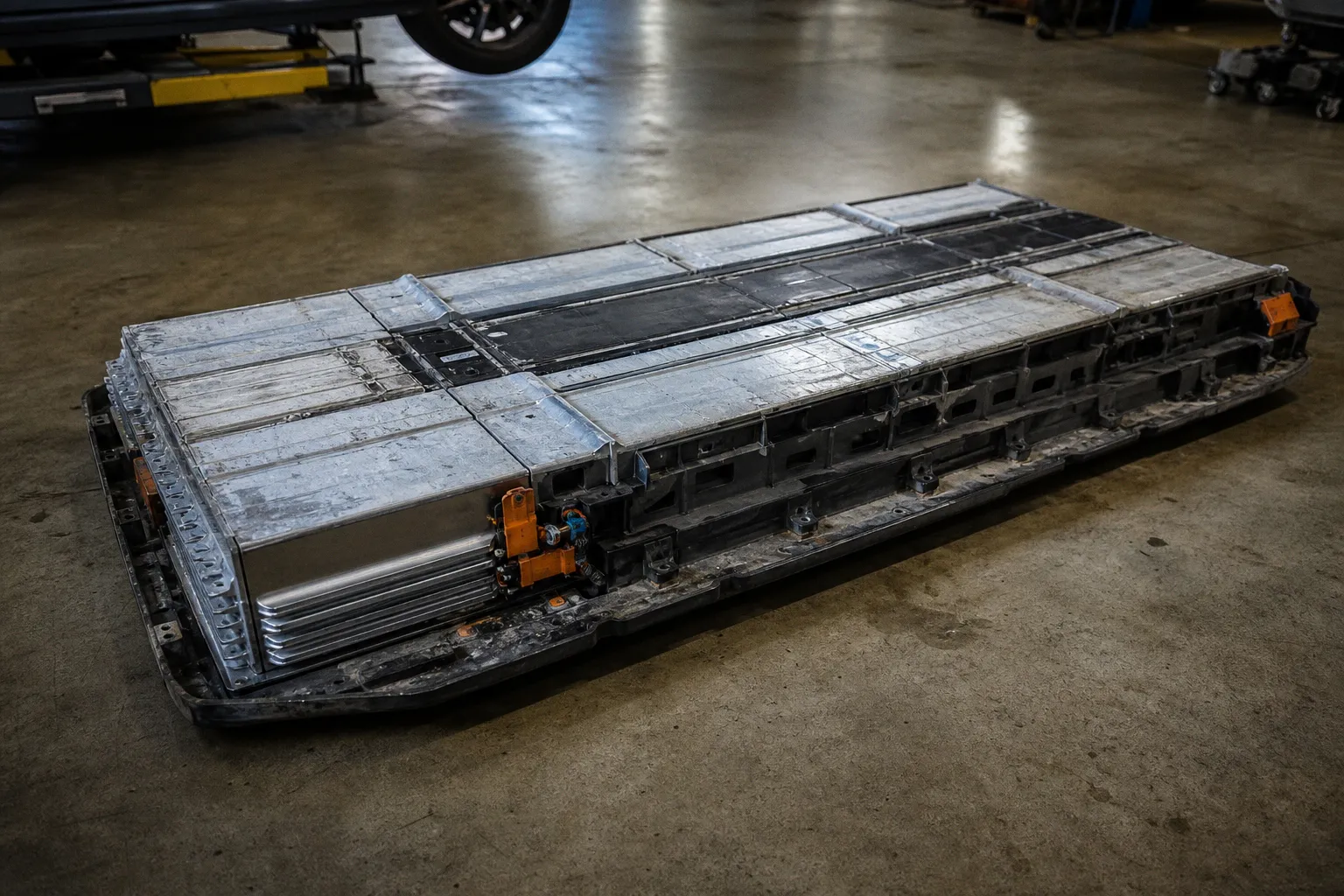
Then she asked the question I hear every weekend at the dealership: "But what happens to the battery in eight years? Ten? Am I going to be stranded on the side of I-95 paying ten grand for a replacement pack?"
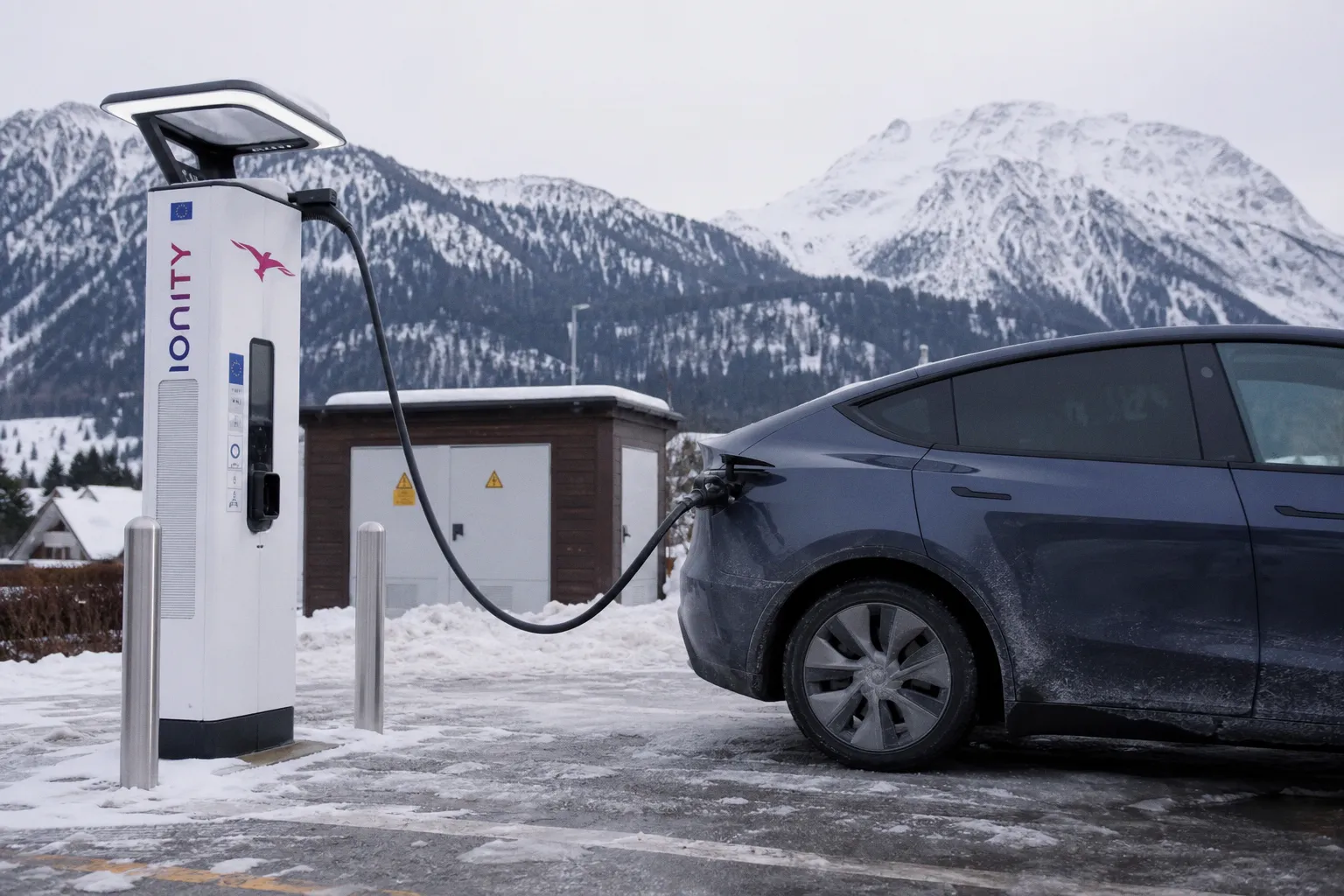
I get it. The out-the-door price gets all the headlines, but the long-term cost question is what keeps people on the fence. The good news — and this is the part I wish more salespeople would actually explain — is that the answer has shifted dramatically over the last decade. Most modern EV batteries are engineered to outlast the cars they power, with average degradation hovering between 1.8% and 2.3% per year under moderate conditions. That translates to a realistic service life of 15 to 20 years before capacity drops to a level most drivers would actually feel during their normal driving week.
That's the headline. Now let me walk you through the chemistry behind it, because not all batteries age the same way, and that's where the real buying decision hides.
The 15-20 Year Reality: What "Degradation" Actually Means
When we talk about a battery "lasting," we're really talking about capacity retention — how much of the original energy storage is still usable after years of charging and driving. The industry has settled on 70% as the rough threshold for "end of useful life," because that's typically when drivers start seeing real-world range loss they can feel on a normal grocery run or weekend road trip.
Under typical conditions, modern EV batteries lose between 1.8% and 2.3% of their original capacity per year. The math works out roughly like this:
| Years of Ownership | Capacity Retained | Real-World Impact |
|---|---|---|
| 1 | 97–98% | Imperceptible |
| 5 | 89–90% | Barely noticeable |
| 10 | 80–82% | Maybe 10–15% range loss on long drives |
| 15 | 73–75% | Noticeable on extended trips |
| 20 | 65–68% | Most owners shopping for replacement or upgrade |
Those numbers assume moderate climate, regular daily driving (not sitting fully charged in a hot parking lot for months on end), and reasonable charging habits. Push those variables in the wrong direction and you'll see faster degradation. Push them the right direction and you'll land on the optimistic end, with packs crossing 200,000 miles while still holding 85%+ of their original capacity — something I've personally confirmed on several high-mileage Model S and Model 3 loaner cars that came through as service trade-ins.
This is one of the reasons I push back on the "I'll have to replace the battery in five years" myth I still hear at every test drive. The data doesn't back it up. The few real-world battery replacements I've come across in my reporting almost always trace back to manufacturing defects (covered under warranty), accident damage, or owners who routinely fast-charged to 100% in extreme desert heat for years on end.
Modern EV batteries are engineered to outlast the cars they power — average annual degradation of 1.8% to 2.3% puts realistic service life at 15 to 20 years.
Chemistry Matters: Why LFP and NMC Aren't Interchangeable
Here's where the buying decision gets interesting — and where most showroom conversations skip the part that actually matters.
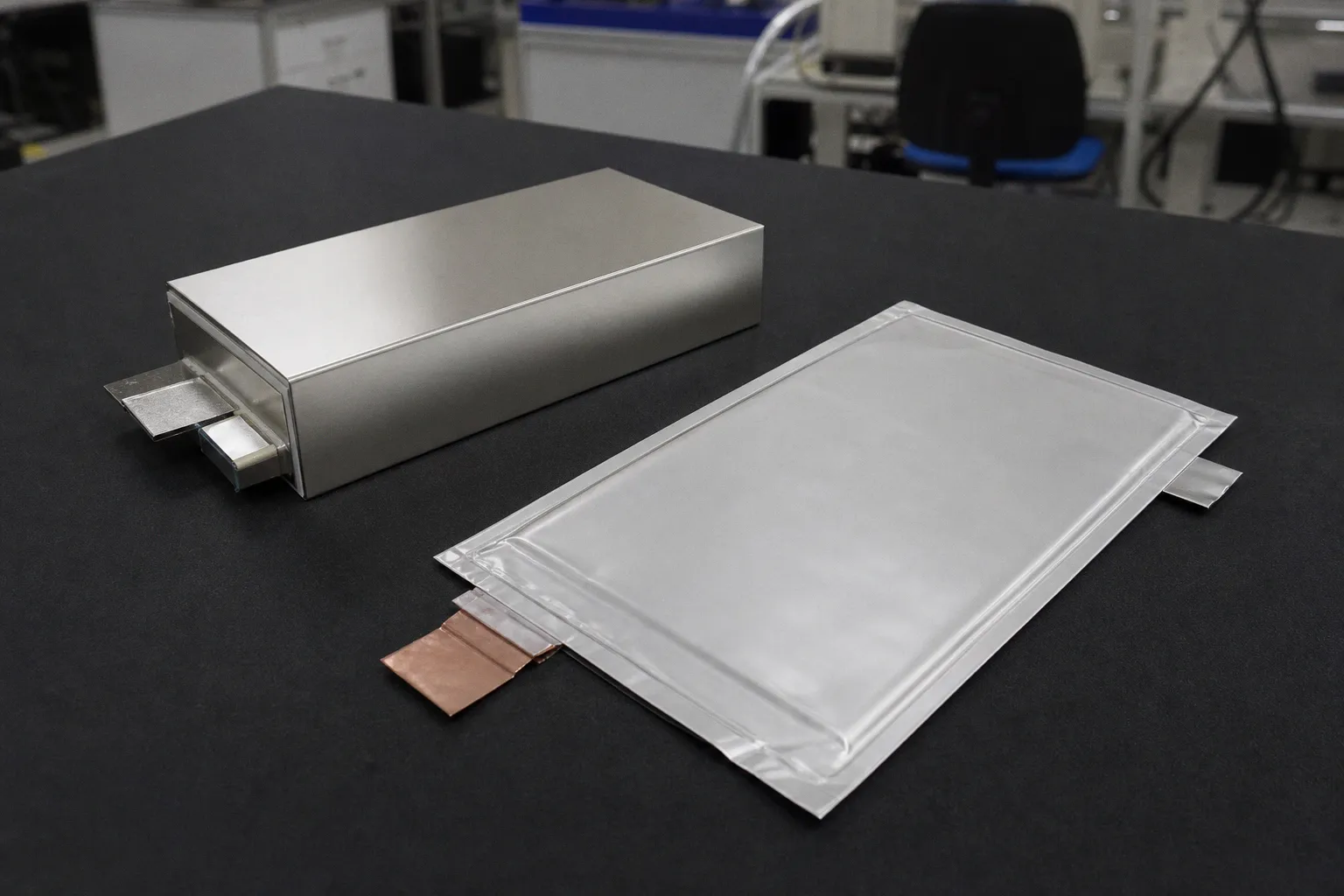
The two battery chemistries dominating the EV market today behave very differently under daily driving stress. If you're shopping for an EV in 2025 or 2026, you're almost certainly choosing between Lithium Iron Phosphate (LFP) and Nickel Manganese Cobalt (NMC) packs, sometimes within the same automaker's lineup. Tesla does it on the Model 3, Ford does it on the Mustang Mach-E, and Rivian does it across its truck configurations.
Let me lay out the comparison I'd want on a piece of paper if I were sitting where that buyer was:
| Parameter | LFP (Lithium Iron Phosphate) | NMC (Nickel Manganese Cobalt) |
|---|---|---|
| Cycle life (full charges) | 2,000 to 6,000+ | 1,000 to 2,500 |
| Real-world mileage to 80% capacity | Often 500,000+ miles | 300,000 to 500,000 miles |
| Daily charging recommendation | 100% is fine | Stop at 80% for daily use |
| Energy density | Lower (heavier pack for same range) | Higher (lighter, longer range) |
| Thermal runaway temperature | Significantly higher (~80% above NMC) | Lower — more sensitive to heat |
| Cold weather performance | Noticeably weaker | Better cold-weather retention |
| Typical price impact | Cheaper, often standard on base trims | Premium, used in long-range trims |
The cycle life difference is the headline. A pack rated for several thousand full-charge cycles translates to hundreds of thousands of miles of theoretical use before hitting the 80% capacity threshold — well beyond the realistic service life of the vehicle itself. In practice, calendar aging (the chemistry breaking down simply from time passing) gets you long before that, but you're still looking at multi-decade service life with margin to spare.
NMC's 1,000 to 2,500 cycles sounds low until you remember that a "cycle" means a full 0–100% charge. Most owners only use 20–40% of their pack on a given day, which means an NMC battery rated at 1,500 cycles can easily deliver a decade of normal commuting without crossing the 80% threshold.
Where the Chemistry Actually Hits Your Wallet
The thermal stability gap matters more than most buyers realize. LFP's thermal runaway threshold runs roughly 80% higher than NMC's, which translates to dramatically lower fire risk under abuse conditions (severe crash, repeated fast-charging in extreme heat, manufacturing defect). For a family hauling kids to school in a Texas suburb, that gap isn't philosophical — it's relevant. For a New England commuter logging 30,000 miles a year through freezing winters, the cold-weather trade-off matters more than the thermal edge.
The energy density difference is why you'll see NMC in most long-range trims and LFP standard on base models. An LFP pack that delivers 250 miles of range weighs noticeably more than an NMC pack with the same capacity. That's fine for a sedan, awkward for a pickup, and a real engineering hurdle for any manufacturer trying to hit 400+ miles of EPA range without a massive battery.
If your daily driving stays inside 80% of your battery and you live somewhere temperate, NMC will reward you with better range and cold-weather performance. If you have a short commute, live in a hot climate, and routinely charge to 100%, LFP will outlast every other option on the market.
Charging Habits: Where Drivers Actually Move the Needle
Chemistry sets the ceiling, but charging habits set the floor. After running test drives and talking with battery engineers, I can tell you that the way you charge matters more than the brand of car on your driveway.
Three habits move the needle most:
1. Daily charging target. If you're driving an NMC pack, treating 80% as your daily ceiling (and only charging to 100% for road trips) meaningfully slows degradation. LFP drivers can ignore this rule entirely — those cells thrive on full charges and don't develop the same high-voltage stress NMC does at the top end. Some manufacturers even recommend a weekly 100% charge on LFP packs to keep the battery management system calibrated.
2. State of charge during storage. Cars that sit at 100% for weeks (think airport parking during a three-week vacation, or a second vehicle barely driven) accumulate calendar aging faster, especially NMC. If you're storing an EV long-term, 50% is the sweet spot.
3. DC fast-charging frequency. Occasional fast-charging on a road trip is fine. Daily fast-charging from 20% to 80% — common among rideshare drivers — adds heat stress and pushes NMC chemistry toward the upper end of its comfort zone. For high-mileage drivers doing 200+ miles a day, LFP is the smarter long-term pick, and I'd push hard on that recommendation in any buying consultation.
A pattern I've noticed at dealerships: buyers who already own a Level 2 home charger tend to be gentler on their batteries than those relying entirely on public DC fast-charging. The math is straightforward — slower charging produces less heat, and less heat means slower chemical breakdown inside the cells.
That said, modern thermal management systems handle fast-charging far better than the early Nissan Leaf packs from a decade ago, which had no active cooling at all. Today's EVs run liquid cooling loops that keep cells in their comfort zone even during back-to-back 150 kW charging sessions. If you're shopping for a used early Leaf, though, I'd budget for either a battery replacement or a downgrade in expectations — those air-cooled packs are the cautionary tale that still haunts this segment.
Warranties and the Regulatory Floor That Protects You
Here's the part of EV ownership I wish more buyers understood: the warranty isn't a marketing promise — it's a federally backed floor with real financial weight behind it.
In the United States, the federal minimum for EV battery warranties is 8 years or 100,000 miles, whichever comes first. Most manufacturers guarantee that the pack will retain at least 70% of its original capacity during that window. Some, including Hyundai and Kia, have started extending this to 10 years or 100,000 miles in certain states, which is one of the most underrated financial perks in the segment.
For a typical driver covering 12,000 miles a year, the 100,000-mile threshold doesn't kick in until year eight — meaning the time limit almost always expires first. That's not a flaw, it's just how the math works for suburban commuters. High-mileage drivers (sales reps, rideshare, long-distance commuters) hit the mileage cap faster and get more protection per year of ownership.
The real regulatory shift is happening at the state level, and California is leading the charge:
- Through model year 2029, California's Advanced Clean Cars II (ACC II) rules require zero-emission vehicles to maintain 70% of their certified range for 10 years or 150,000 miles.
- From model year 2030 onward, that floor rises to 80% retention over the same period.
If you buy a 2026 EV and drive it for a decade, you're now legally guaranteed at least 70% capacity — already a meaningful upgrade over the federal minimum, with the 80% floor arriving for model year 2030 vehicles and later. Several other states (notably New York, New Jersey, Oregon, Washington, and Massachusetts) follow California's framework, so this isn't just a Golden State perk.
Internationally, the United Nations Global Technical Regulation No. 22 (UN GTR 22) sets the global benchmark: 80% State of Certified Energy over 5 years or 100,000 km, dropping to 70% up to 8 years or 160,000 km. These thresholds are already influencing how manufacturers spec their packs and how dealers talk about long-term value in export markets.
What this means at the dealership: when a salesperson tells you "the battery's covered," they're not just reciting marketing copy. They're describing a regulatory commitment with warranty claim procedures behind it, and in practice that means a free pack replacement if your state of health drops below threshold within the coverage window.
The Long View: Where Battery Tech Is Headed
If you're shopping today, the numbers above are what matter. But the buyers I talk to also want to know: is the battery in this car going to feel obsolete in five years?
Here's my honest answer after watching this industry long enough to see several "next big thing" announcements come and go.
Solid-state batteries — the much-hyped "next generation" — promise higher energy density and longer cycle life, but production EVs using them at scale aren't yet on dealer lots. I'd treat any timeline you hear from a manufacturer as optimistic until the cars are actually being delivered to non-employee customers. If you're buying in 2025 or 2026, plan on a current-generation lithium-ion pack and budget accordingly.
What you can count on is incremental improvement. Software updates already allow automakers to refine charging curves and thermal management long after the car leaves the lot. Tesla, Ford, and Hyundai have all pushed over-the-air updates that improved battery longevity or charging speed on cars already in customers' garages. That's a category of value that simply didn't exist five years ago, and it's the kind of thing that meaningfully extends the practical lifespan of an EV without any hardware change.
LFP adoption is the other trend worth watching. As manufacturing scales up and energy density improves, expect to see LFP cells move from base trims into mid-range vehicles across more nameplates. The cycle life advantage is too compelling for automakers to ignore, especially as fleets and high-mileage buyers demand longer service intervals. By the time your first EV is ready for replacement, I'd bet money on LFP being the default chemistry in half the cars on the road.
For a buyer crossing the threshold today, the calculus is straightforward: chemistry, climate, and charging habits — in roughly that order of importance — will determine how long your pack actually lasts. Pick the chemistry that matches your driving, install a Level 2 charger if you can swing the electrical work, and stop pre-paying for a battery replacement that the data says you almost certainly won't need.
The Bottom Line
If you made it this far, here's the verdict I'd give that buyer across the table from me.
For most American drivers — commuting under 50 miles a day, charging at home on a Level 2 unit, parking in a garage — a modern EV battery will comfortably outlast your ownership window. Plan on 15+ years of service before capacity drops to a level you'd genuinely notice in daily use, and stop calculating battery replacement costs into your total cost of ownership analysis. The data doesn't support the worry, and the warranty covers the worst-case scenario anyway.
The decision that actually matters is chemistry. Short commute, hot climate, frequent charging to full, and budget sensitivity all point to LFP. Long daily drives, cold winters, road-trip frequency, and a desire for maximum range all point to NMC. Both are excellent. Neither is going to leave you stranded on I-95.
Buy the car, install the home charger, charge to 80% unless your owner manual tells you otherwise, and enjoy the fact that the battery question — the one that scared you off EVs a decade ago — has effectively been solved.