Geely’s New 16-in-1 Electric Drive System Promises 93.8% Efficiency
According to Electric Cars Report, this integrated unit is slated to debut on the upcoming Geely TT electric sedan — and for anyone weighing their next EV purchase, it's a development worth…
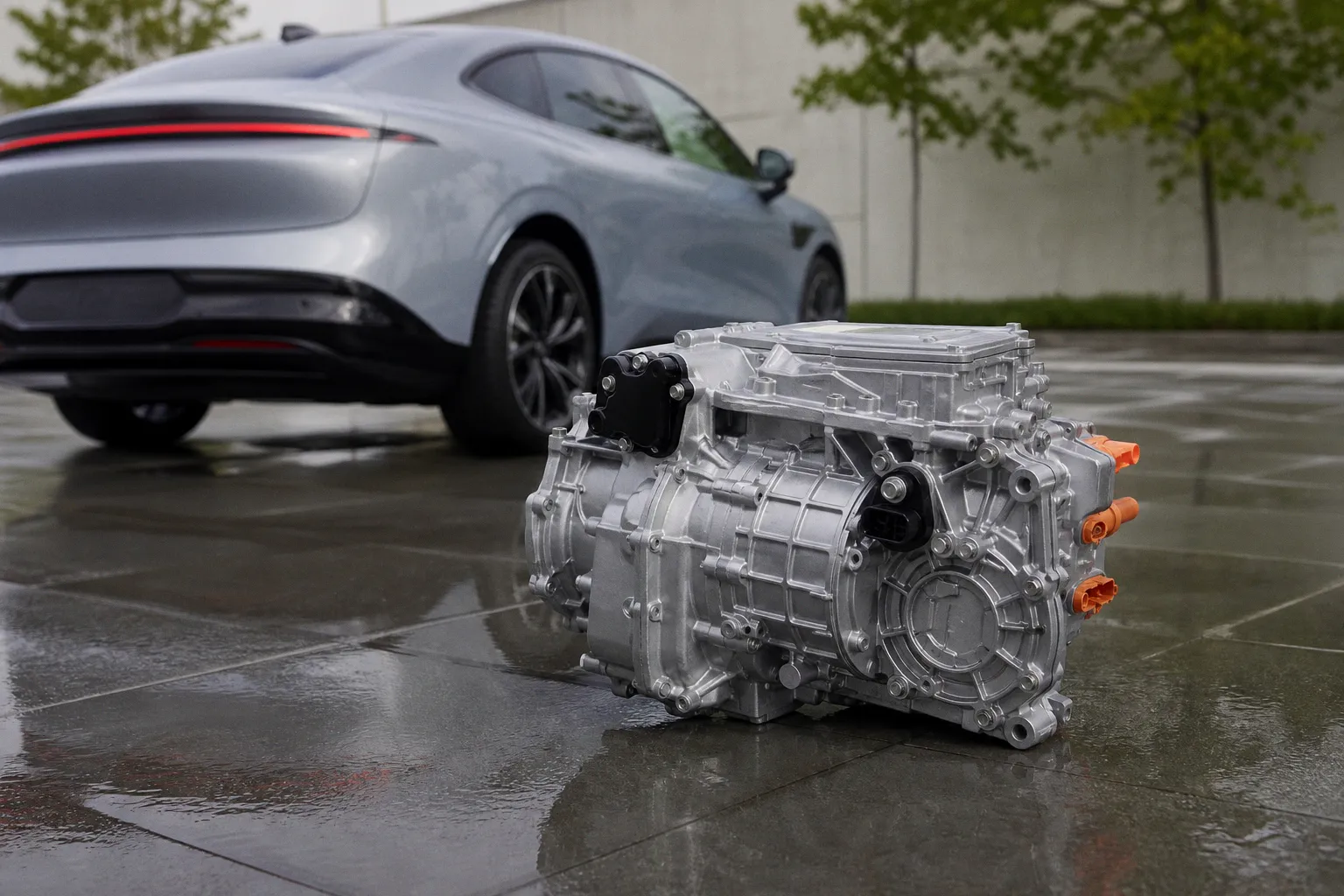
If you've been watching the EV space long enough, you know that efficiency numbers on paper and efficiency numbers on your morning commute are two very different things. That's why Geely Auto Group's latest announcement deserves a closer look: the company has pulled the covers off an 800V, 16-in-1 electric drive system that reportedly hits 93.8% efficiency under China's CLTC testing cycle, all while tipping the scales at just 75 kg. According to Electric Cars Report, this integrated unit is slated to debut on the upcoming Geely TT electric sedan — and for anyone weighing their next EV purchase, it's a development worth understanding before the spec-sheet hype takes over.
What "16-in-1" actually tells us (and what it doesn't)
Let's break this down the way a buyer should. A 16-in-1 system means Geely has packed the motor, inverter, gearbox, and a stack of ancillary controllers into one compact housing. Fewer separate components generally means less weight, fewer potential failure points, and — in theory — a more efficient powertrain from battery to wheels. At 75 kg, this unit is remarkably light for an 800V architecture, which itself tends to enable faster charging and lower energy losses during highway driving.
The 93.8% efficiency figure, though, comes from China's CLTC standard, which is notoriously more optimistic than the EPA or WLTP cycles we rely on in North America and Europe. So while the headline number is genuinely impressive — most production EVs sit somewhere in the high 80s to low 90s in real-world efficiency — I'd want to see independent WLTP or EPA test data before putting too much stock in that figure for our market. The real question for a daily driver isn't peak efficiency on a lab bench; it's how well that efficiency holds up in stop-and-go traffic, cold weather, and at 75 mph on the interstate.
The bigger picture: Chinese OEMs are moving fast
Geely's announcement didn't happen in a vacuum. The same week, BYD's premium Denza brand revealed the Z9S luxury fastback — a sedan boasting up to 1,194 hp, a 102.3 kWh battery, and a claimed 570 miles of CLTC range. Nio's compact sub-brand Firefly teased its new Halo design series ahead of a Shanghai reveal, and Volkswagen rolled out the ID. Cross, a compact electric SUV on the MEB+ platform starting at €27,995 with up to 427 km of WLTP range.
The pattern here is unmistakable: Chinese manufacturers are no longer just competing on price — they're pushing the engineering envelope on integration, efficiency, and power density. For Western buyers, that matters even if you're not importing a Geely TT anytime soon. It raises the competitive bar for every brand selling in your local showroom.
What to actually watch for
Before any of this translates into a car worth putting a deposit on, here's what I'd keep an eye on. First, which Geely models outside China will actually get this powertrain — international availability is still unconfirmed. Second, real-world efficiency testing from independent sources, because CLTC figures have a well-documented habit of inflating range estimates by 15–25% compared to EPA numbers. And third, pricing and out-the-door cost: a brilliant e-drive system means nothing if the vehicle it's sitting in carries a luxury-brand markup that puts it out of reach.
As always, the smartest move is to wait for the first round of independent reviews and real-world range tests before getting swept up in the engineering specs. Impressive hardware is a great starting point — but it's only half the story of whether an EV actually works for your life.