EV maker Polestar's quarterly sales volumes slide amid looming US market exit
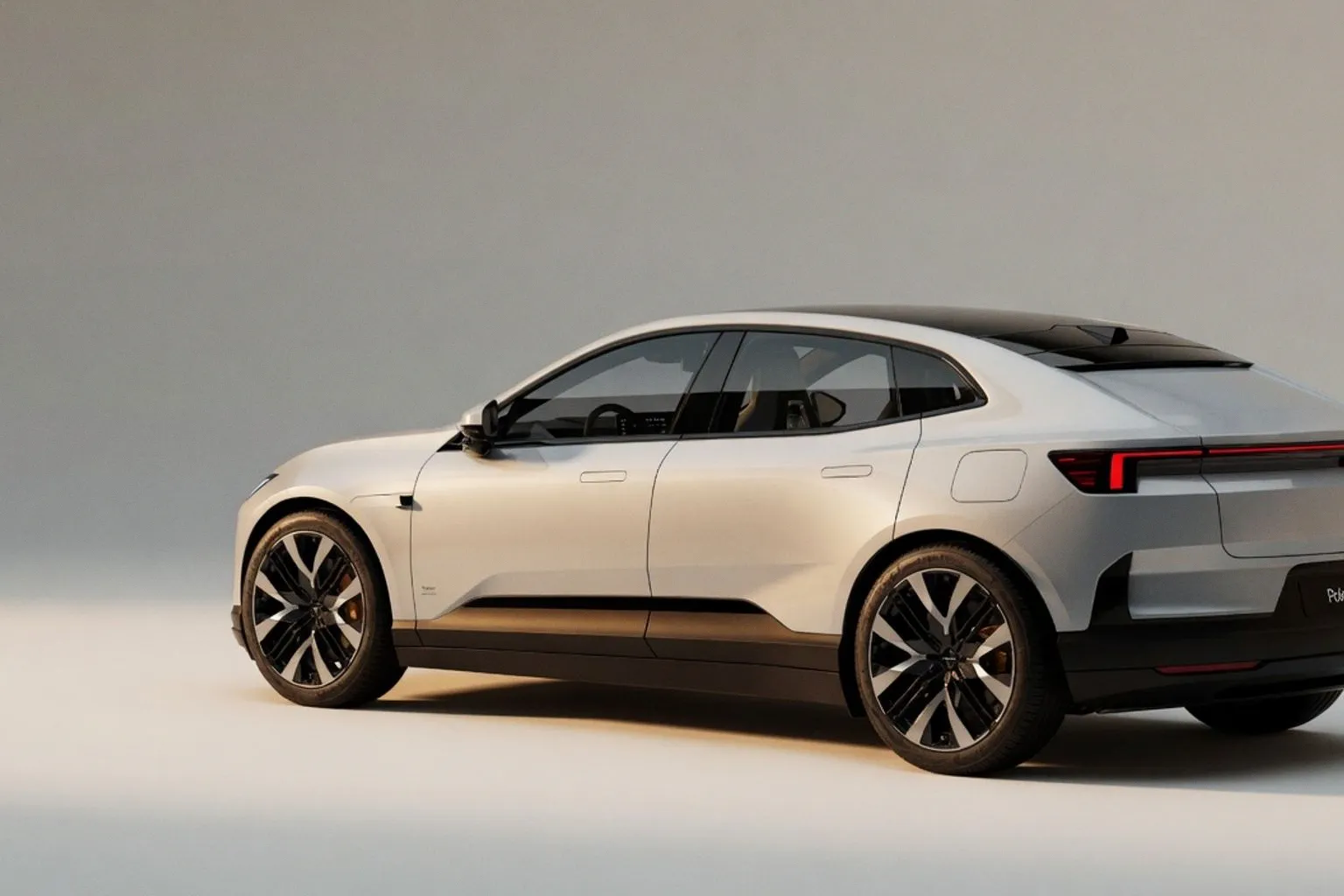
The news that Polestar's quarterly sales are sliding with whispers of a potential US market exit is a gut-punch reality check for anyone with the Polestar 2 or the new Polestar 4 on their shortlist.
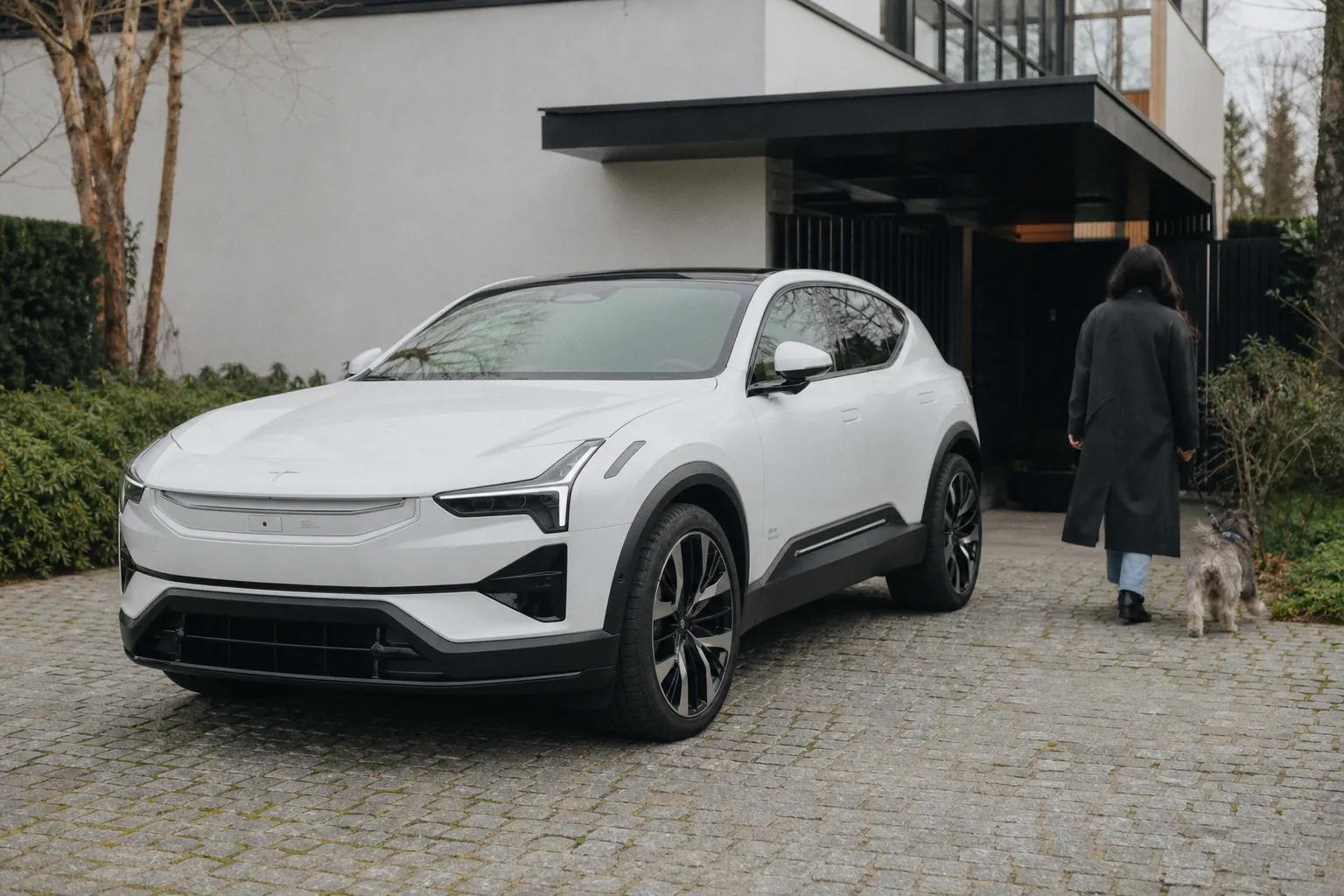
The Sales Slide and the "Exit" Question
According to Reuters, the Swedish EV maker is experiencing a significant decline in quarterly sales volumes, a trend shadowed by serious concerns about its future in the United States. This comes at a time when the broader EV market is showing mixed signals. While some segments are booming—Mercedes-Benz, for instance, reported a 51% jump in Q2 2026 electric sales, driven by models like the electric GLC—Polestar's trajectory is moving in the opposite direction. For a consumer, this divergence tells a clear story: market confidence and brand momentum are not uniform, and Polestar is currently losing ground.
What This Actually Means for Owners and Shoppers
If you already own a Polestar, the primary anxiety centers on the service and parts ecosystem. A manufacturer scaling back or exiting a region doesn't happen overnight, but it inevitably strains the dealer network. Will your local service center remain open? Will wait times for parts balloon? For prospective buyers, the calculus is even more fraught. The financial commitment of an out-the-door price on a new EV assumes a stable owner experience. With reports questioning the company's US presence, the potential for rapid depreciation and uncertainty about long-term support become critical risks that overshadow the car's inherent qualities.
Practical Steps Before You Commit
If you're still considering a Polestar, your due diligence needs to deepen beyond test drives. First, have a direct conversation with your nearest Space or service point about their long-term operational plans—get it in writing if possible. Second, scrutinize the warranty transferability and any extended service contract options; this becomes your financial safety net. Finally, broaden your comparison. Look at competitors from brands with entrenched dealer networks and clear investment in their US lineup, like the aforementioned Mercedes electric models or others from legacy automakers. The EV transition is a long-term play, and anchoring your daily driver to a brand with a shaky local footing is a gamble few need to take.