UK EV targets help Chinese car brands but the fix may mean better deals for buyers
If you’re shopping for an EV in the UK, the price on the windscreen may be less about battery size this year and more about which carmaker is under pressure to hit the Government’s ZEV Mandate.
Why the ZEV rules matter at the dealership
The UK’s ZEV Mandate requires a major share of a manufacturer’s car sales to be fully electric. According to Auto Express, the current requirement is that a third of all cars a manufacturer sells must be fully electric, with other routes available to avoid penalties, including reducing engine emissions or borrowing credits from future years or compliant rivals.
The reported fine is £12,000 for every non-compliant car sold over the threshold, which is exactly the kind of number that can change showroom behavior. If a brand is short on EV sales, it has a strong reason to push electric models harder with finance support, dealer discounts, or sharper offers layered on top of available incentives.
That does not mean every EV suddenly becomes a bargain. It means buyers should be more skeptical of the first monthly payment they’re shown. If a manufacturer is trying to improve its EV mix, the deal may have more room in it than the salesperson initially suggests.
For a practical shopper, I’d focus on:
- the final out-the-door price, not just the advertised discount;
- whether the offer includes the Government’s £3,750 Electric Car Grant where applicable;
- the finance APR and deposit contribution, not just the monthly payment;
- whether a pre-registered or in-stock EV is being pushed because the brand needs the sale counted.
Chinese brands are gaining ground — but the rulebook may change
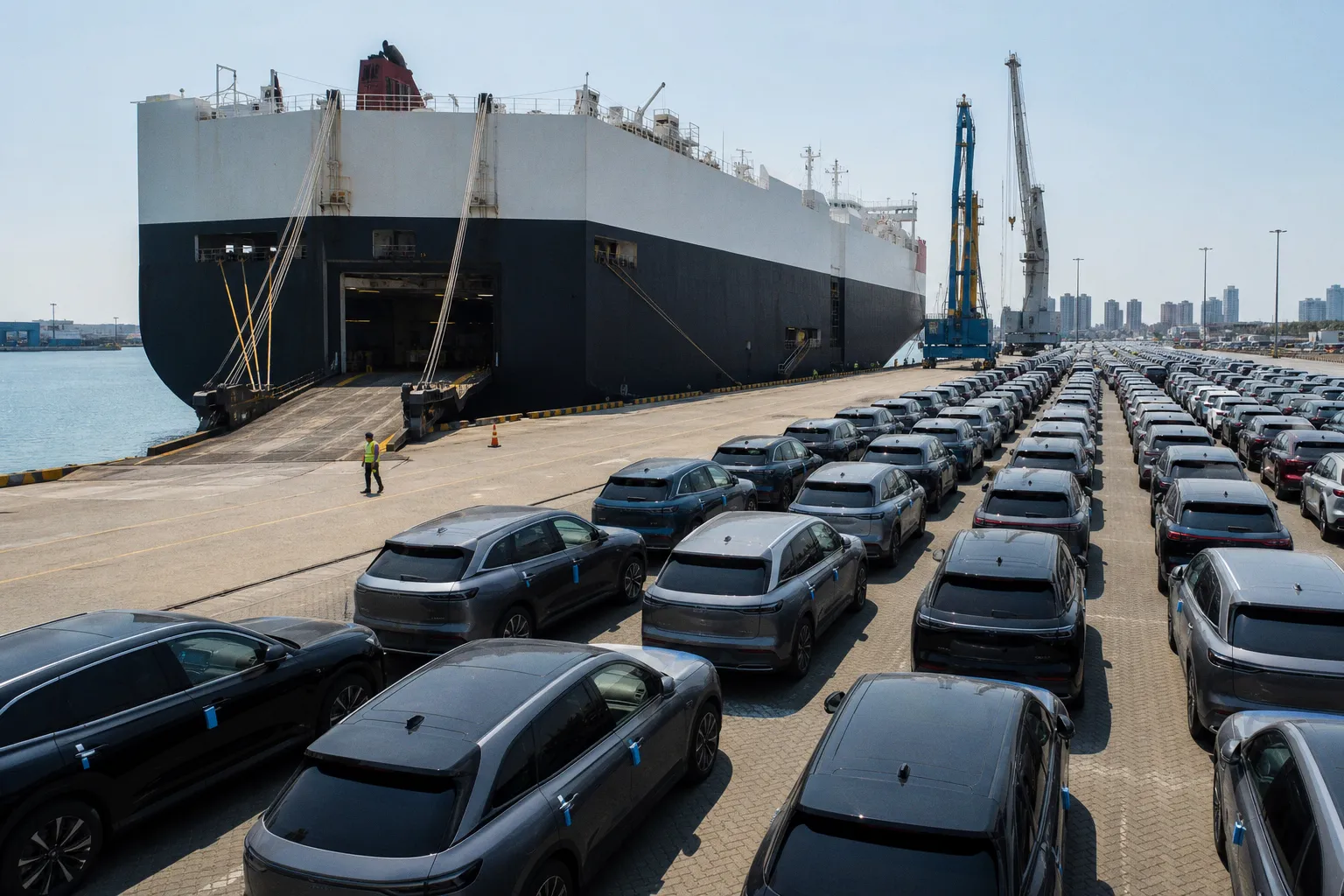
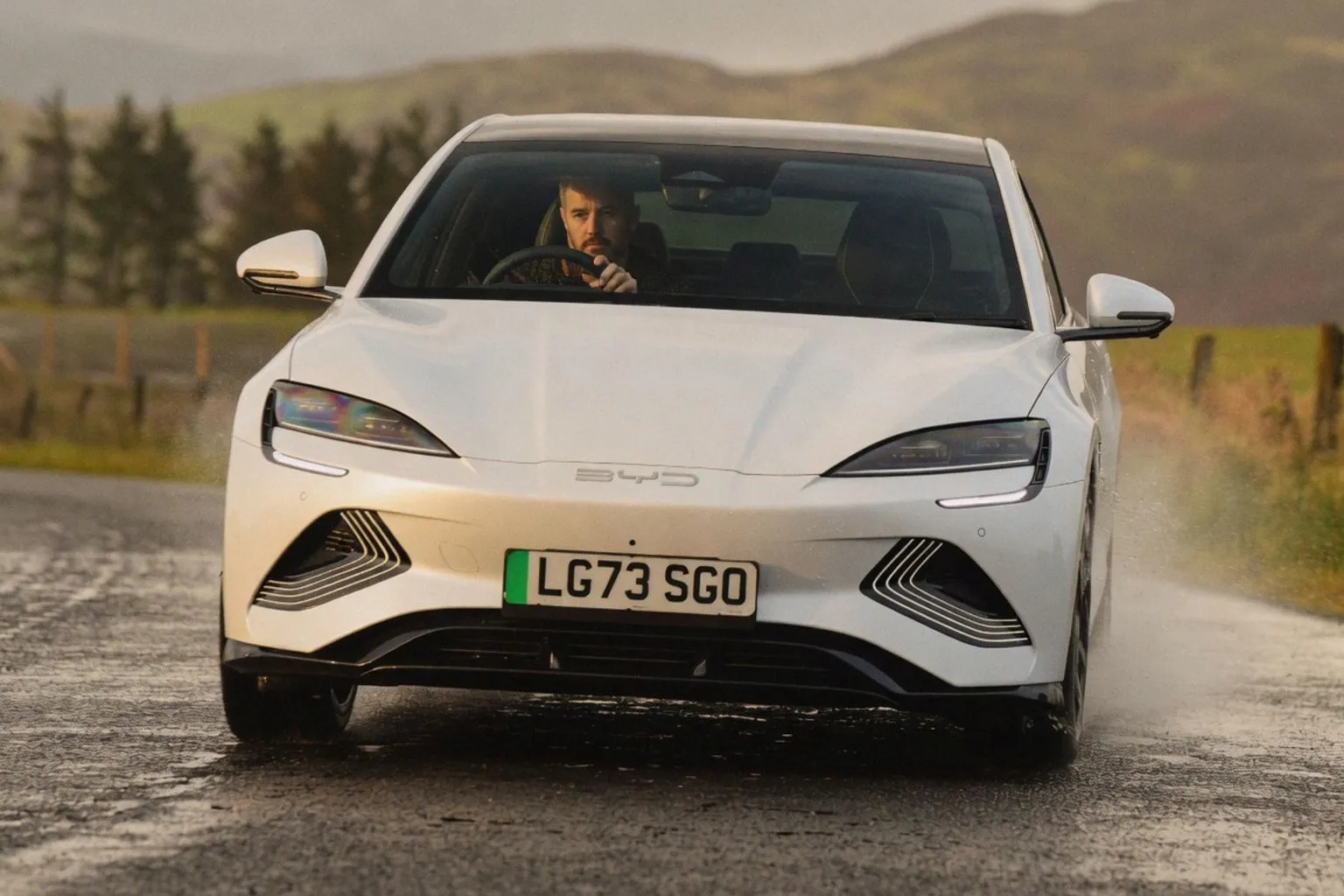
Chinese manufacturers have had a strong first half of 2026 in the UK, accounting for 15 percent of total UK car sales, according to SMMT figures cited by Auto Express. The Jaecoo 7 is reported as the third-best-selling car so far this year, while the BYD Seal electric saloon has entered the top 10 electric cars.
New AutoMotive’s analysis, cited by Auto Express, says brands including BYD, SAIC, Chery, Geely and XPeng are complying with the ZEV Mandate. But the same report also points to a possible flaw: newer brands that entered the market after 2021 may have lower estimated real ZEV targets because their benchmark is treated differently from legacy manufacturers.
New AutoMotive CEO Ben Nelmes is quoted as saying this was, in his view, a mistake in the design of the regulations and that he hopes the Government fixes it through consultation. He also estimates that if the rules change, major Chinese brands such as Chery could need to buy or borrow credits to comply, noting that EVs do not feature particularly heavily in their sales.
That’s the part buyers should watch. A brand that looks comfortably compliant today may face a different commercial reality if the rules are tightened. In the short term, that could create more competitive offers. In the longer term, it could affect which models are prioritized, how aggressively plug-in and fully electric versions are stocked, and how much support dealers get to move them.
Where buyers may find the leverage
Auto Express reports that Volkswagen Group and Stellantis are currently in the “red,” with credit deficits of 5,367.3 and 9,416.3 respectively. After accounting for emissions-reduction credits, the report says those groups need about 26 percent and 30 percent of their sales to be fully electric. Despite the Electric Car Grant and heavy dealer discounts, both are said to have achieved EVs as 23 percent of overall sales.
That is not a reason to panic-buy. It is a reason to negotiate carefully.
If you are already considering an EV from Volkswagen Group, Vauxhall, Peugeot or another Stellantis brand, this is the moment to compare like-for-like quotes across multiple dealers and ask directly what support is available on in-stock electric models. I would also compare those offers against Chinese-brand alternatives from BYD, MG, Jaecoo/Omoda-related showrooms where relevant, and Polestar or Lotus if they’re on your list.
My buyer’s takeaway: don’t choose an EV because a brand is winning or losing a compliance game. Choose it because the range, charging access, warranty terms, servicing plan and real monthly cost work for your commute, school run and grocery run. But if ZEV pressure is forcing manufacturers to sharpen pencils, let them. Get the written quote, push for the true out-the-door price, and don’t be shy about walking to the dealer across town if they’re hungrier for the sale.